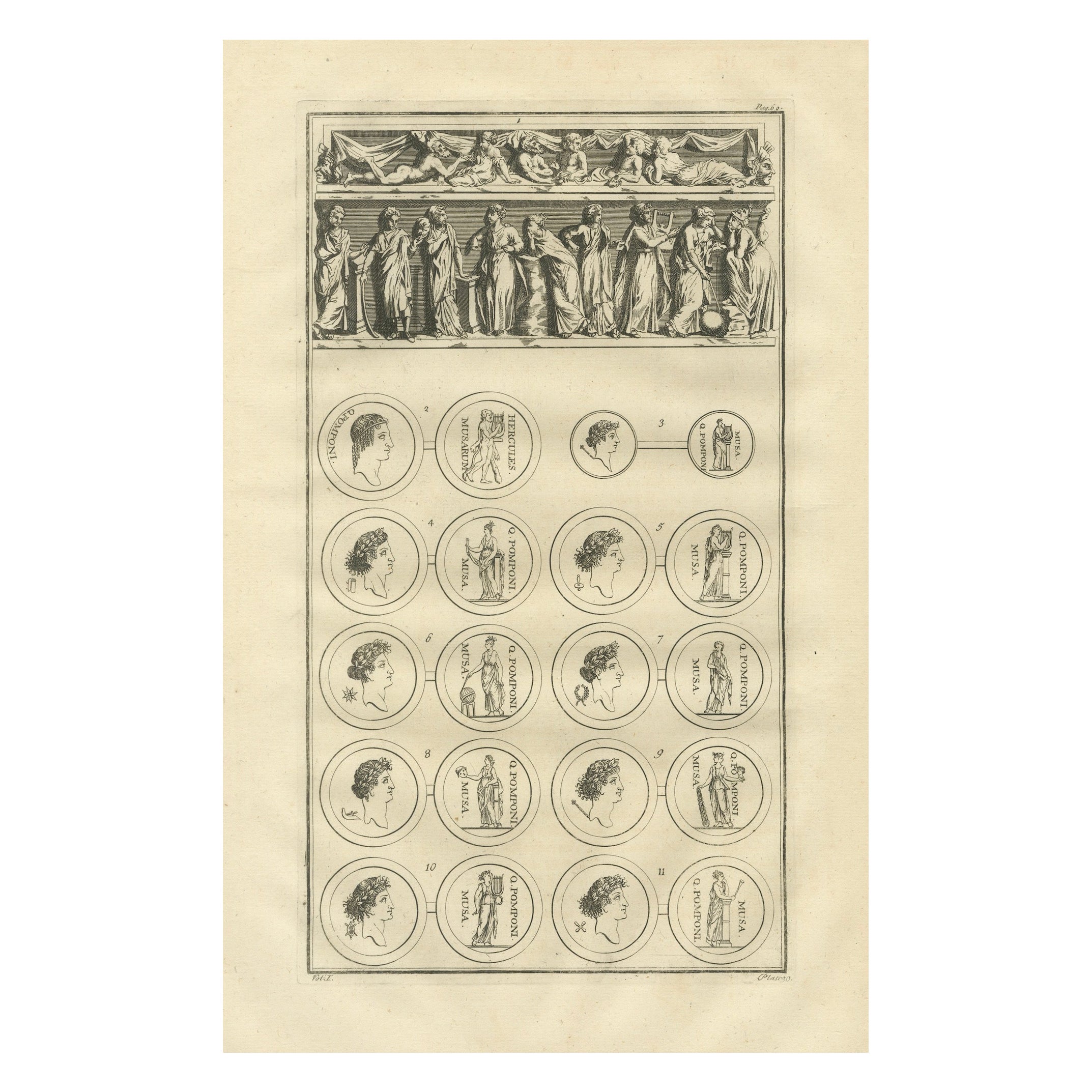
Roman Relief and Classical Medallions, Montfaucon Antiquity Explained, 1721
€ 1 050
One of a kind: this is the sheet in the photographs. Ships from Langweer, the Netherlands.
Date
1721
Sheet size
42.3 × 25.5 cm (16.7 × 10.0 in)
Condition
Good
Reference
BG-14184-1-31
Condition
Original 18th-century engraving on laid paper. Light, even age toning throughout. Minor surface marks and gentle wear at the edges, but no major tears or losses. Overall in good, stable condition and very suitable for framing.
About this sheet
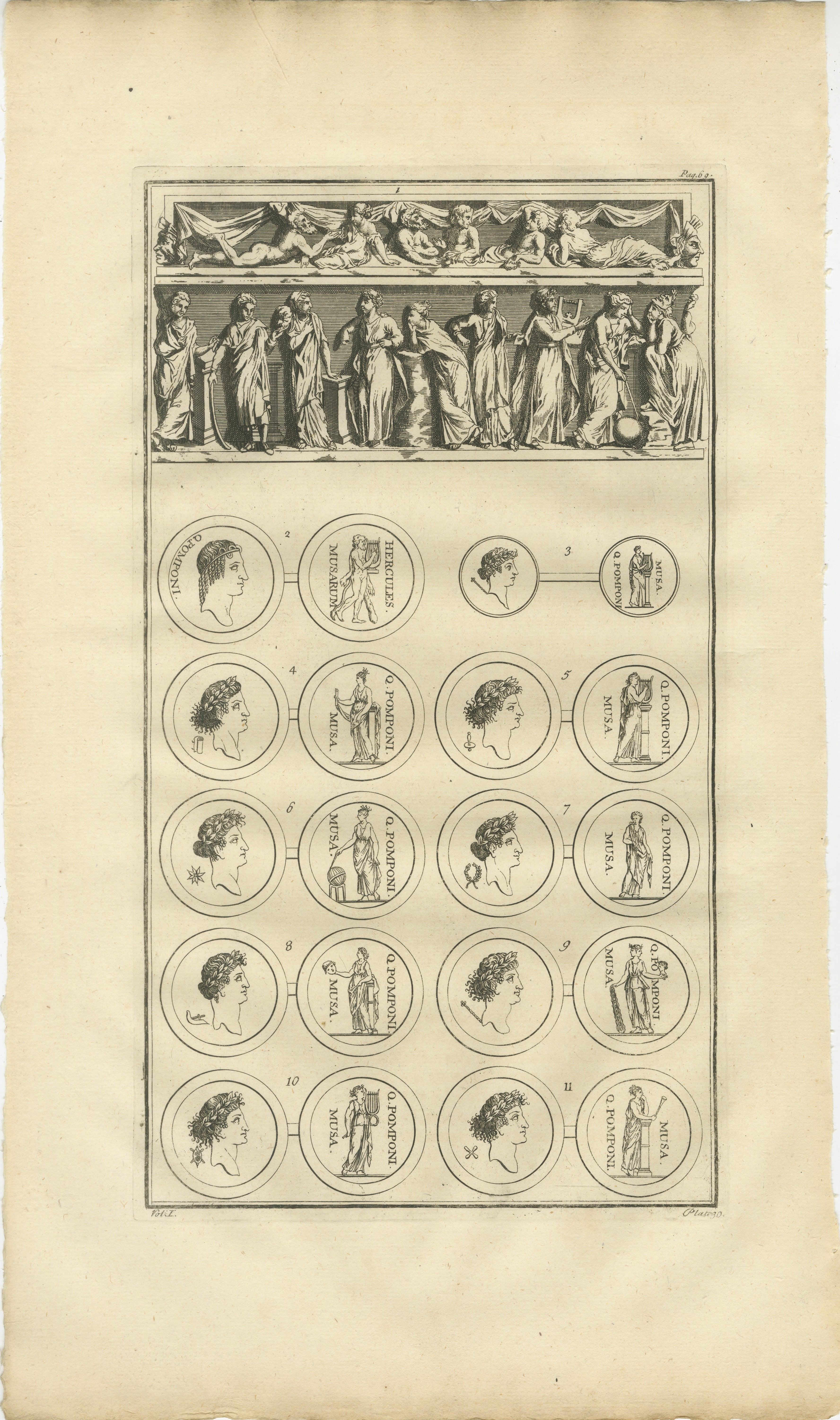
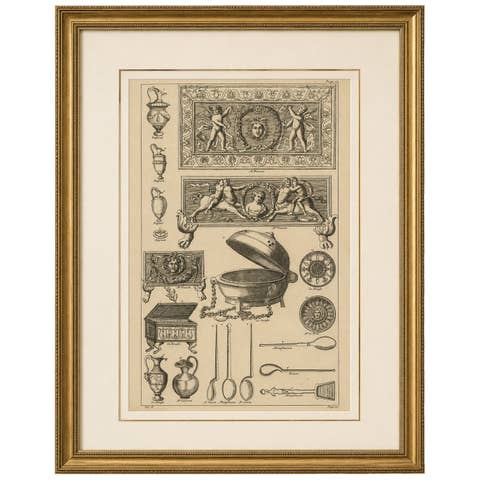
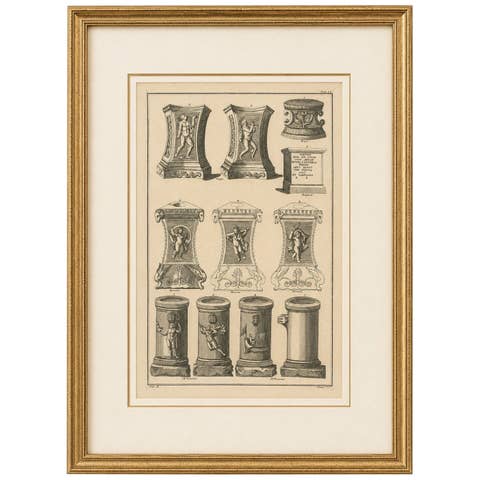
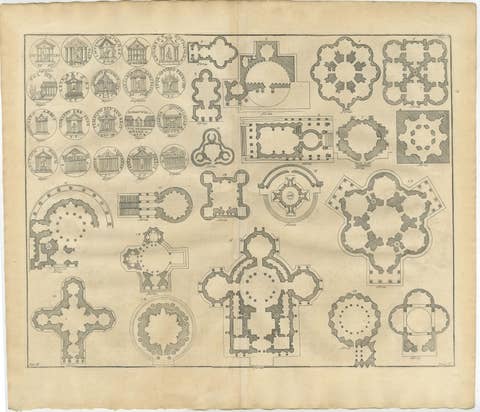
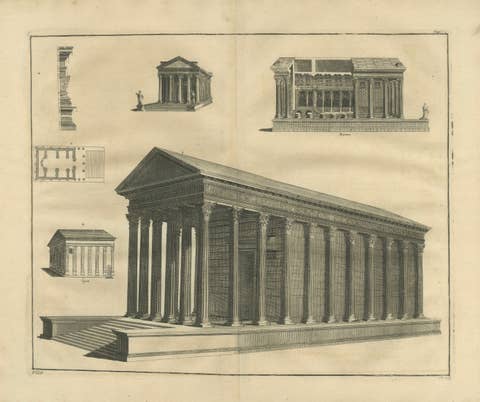
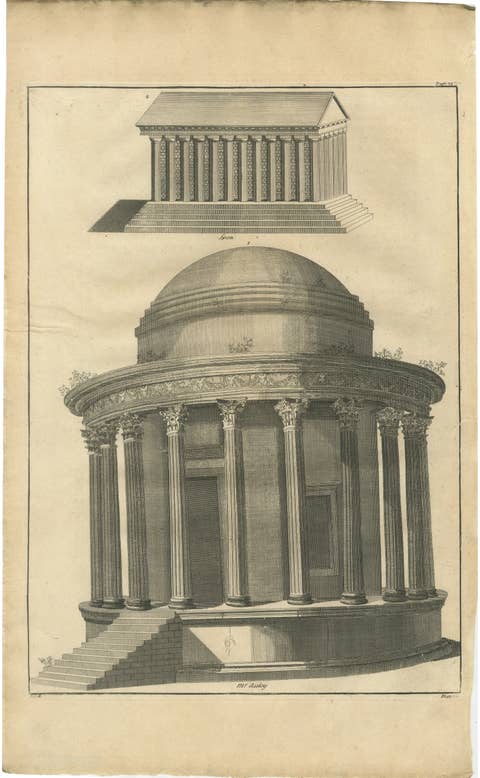
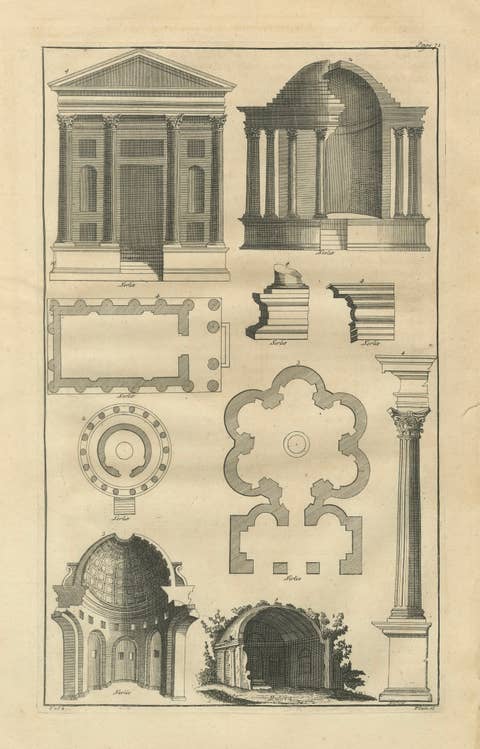
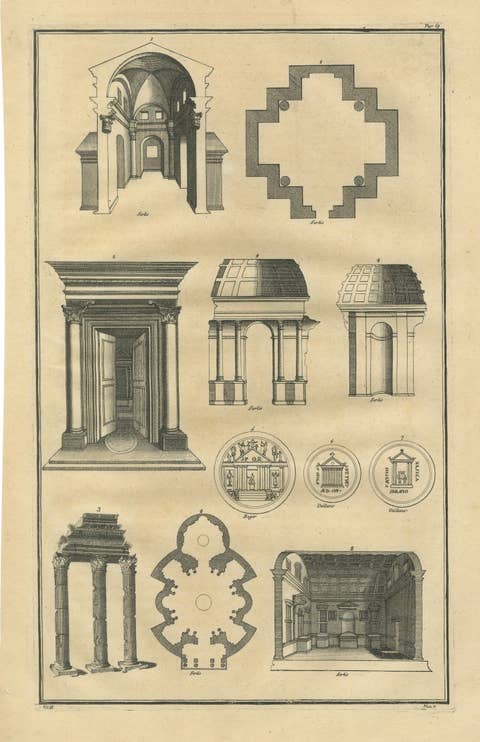
Roman Relief and Classical Medallions, Montfaucon Antiquity Explained, 1721 This striking 18th-century engraving originates from Bernard de Montfaucon’s seminal antiquarian work Antiquity Explained and Represented in Sculptures, published in London in 1721. Montfaucon’s project was conceived as a visual archive of classical civilization, systematically recording ancient sculpture, reliefs, coins, and decorative arts at a scale never attempted before. Plates such as this formed the visual backbone of Enlightenment-era classical scholarship and directly influenced artists, architects, and collectors across Europe.
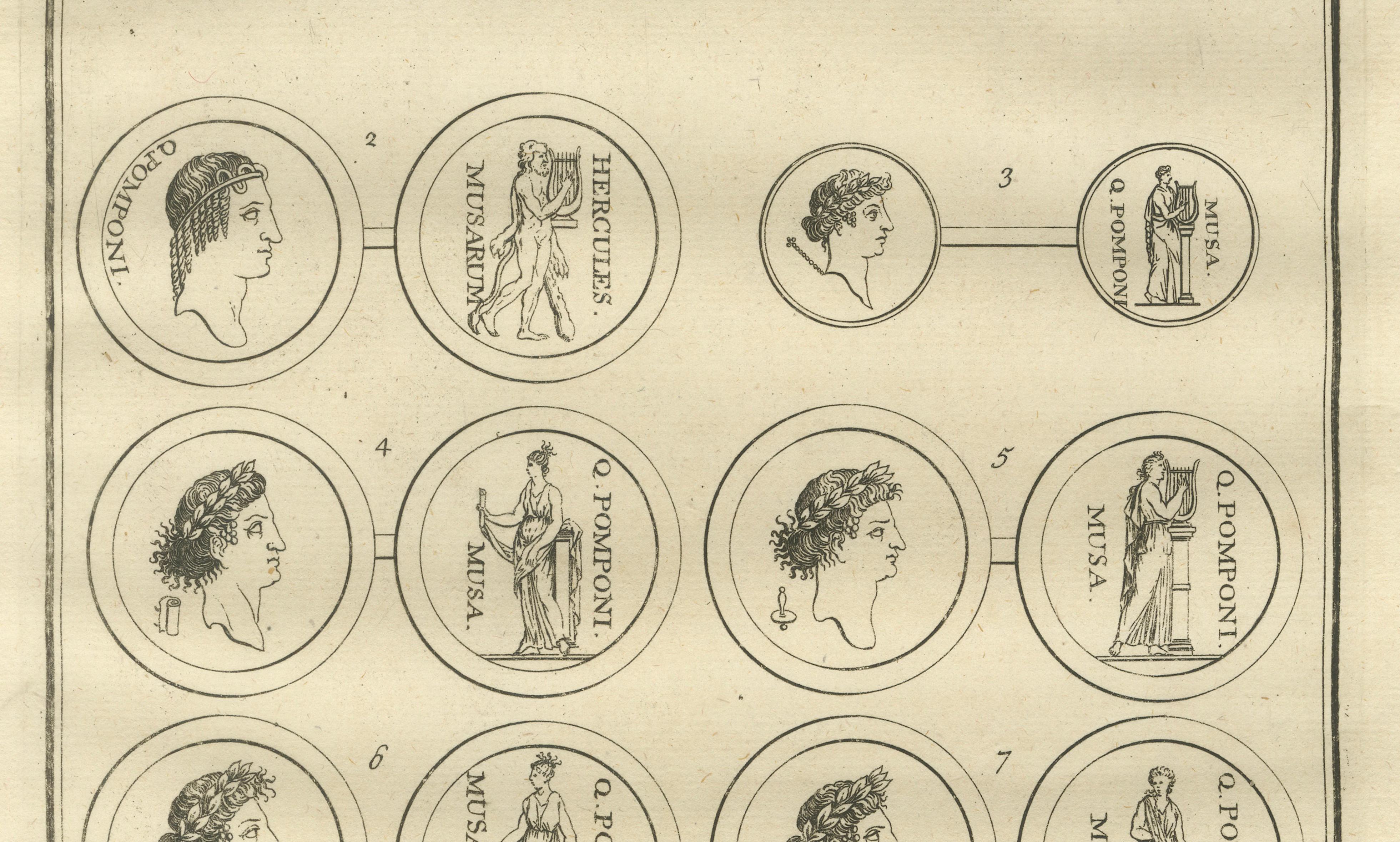
The composition is divided into two powerful zones. The upper register presents a continuous classical relief scene, rendered like a sculpted frieze with rhythmically arranged draped figures in procession. The figures’ gestures and flowing garments create a strong horizontal movement, recalling monumental Roman sarcophagi and architectural reliefs. Below, the sheet is anchored by an orderly grid of circular medallions depicting antique portrait heads and standing figures, closely related to Roman coins and cameos. This juxtaposition of large-scale sculptural narrative with precise numismatic imagery gives the print both visual authority and graphic clarity.
While scholarly in origin, the plate reads today as a highly decorative object. Its tall vertical format and structured layout make it especially appealing for interior designers seeking classical impact without excessive ornament. Framed and displayed on its own, the engraving functions almost like an architectural panel, bringing symmetry, calm, and historical depth to a space. The balance between the animated frieze above and the disciplined geometry below makes this an ideal piece for libraries, studies, hallways, or refined contemporary interiors that benefit from classical contrast.
This engraving was printed for the English edition translated by David Humphreys and published by J. Tonson and J. Watts. As with all Montfaucon plates, it represents not an imaginative fantasy but a carefully observed record of known ancient works, making it both an important document of classical reception and a timeless decorative print.
Condition report: Original 18th-century engraving on laid paper. Light, even age toning throughout. Minor surface marks and gentle wear at the edges, but no major tears or losses. Overall in good, stable condition and very suitable for framing.
Framing tips: This vertical composition benefits from a generous off-white or warm ivory mat to emphasize its architectural balance. Recommended frames include dark walnut, ebonized wood, or restrained antique gilt. Museum or UV-protective glass will enhance contrast and protect the paper.
Technique: Engraving Maker: Bernard de Montfaucon, France / London, published 1721