About this sheet
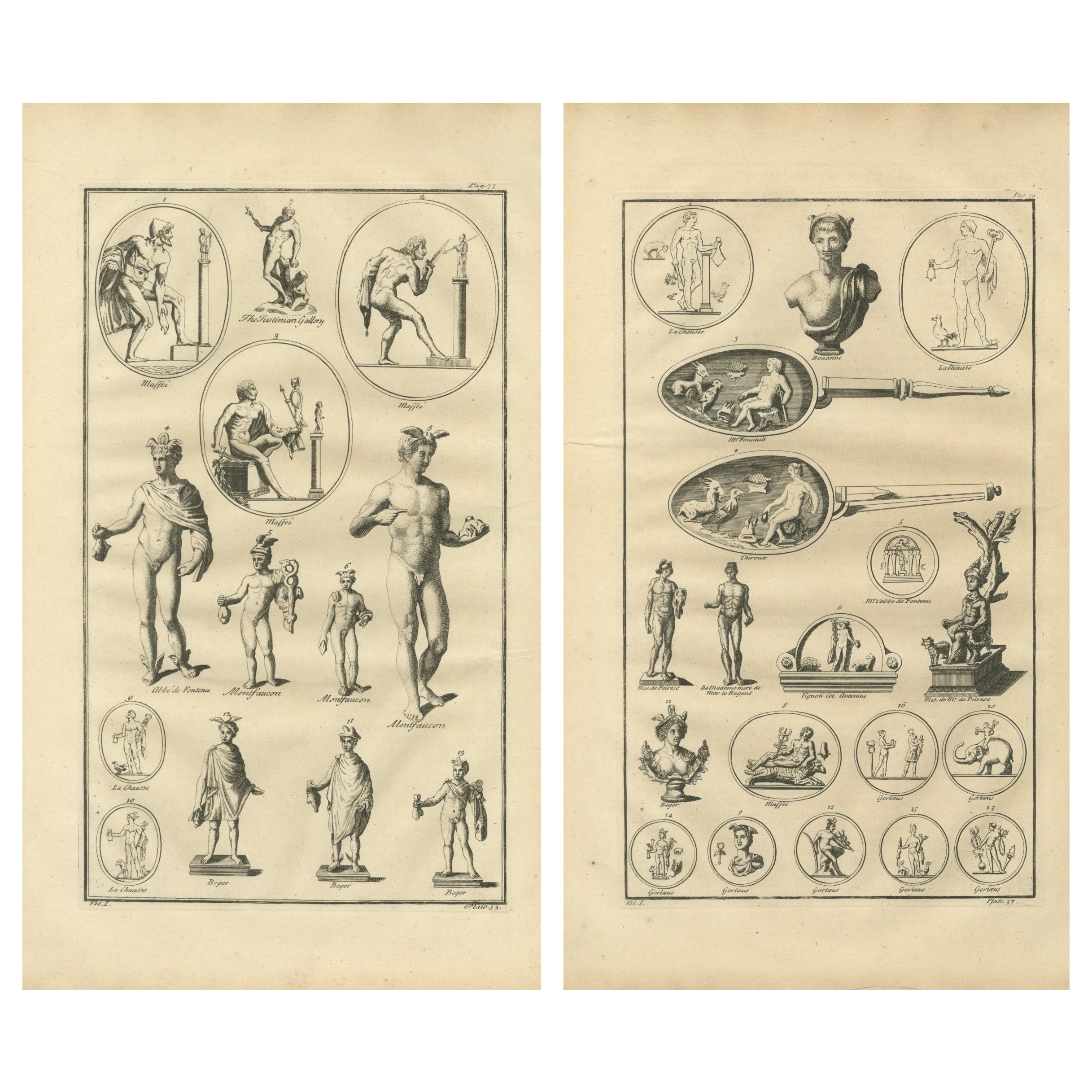
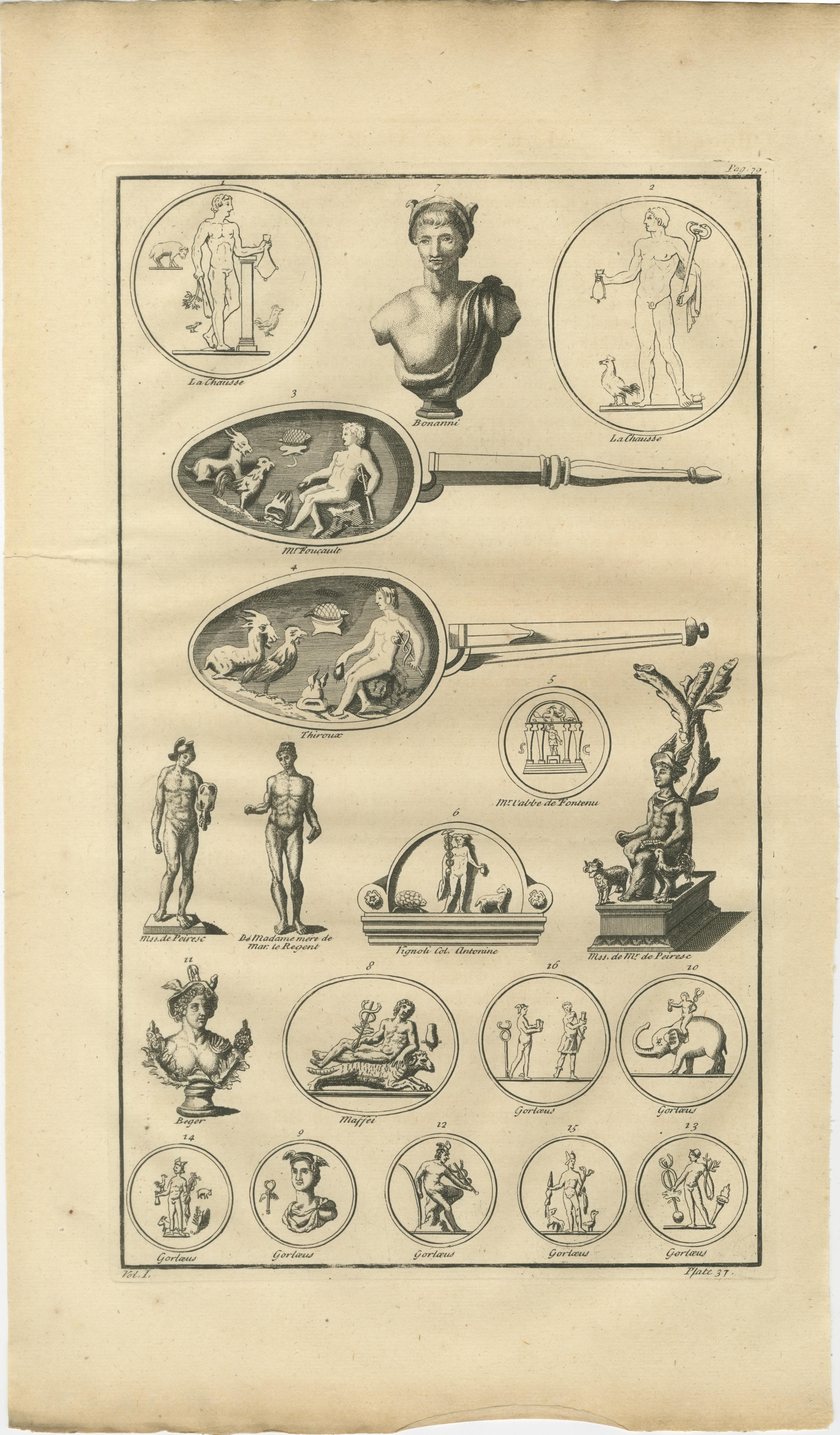
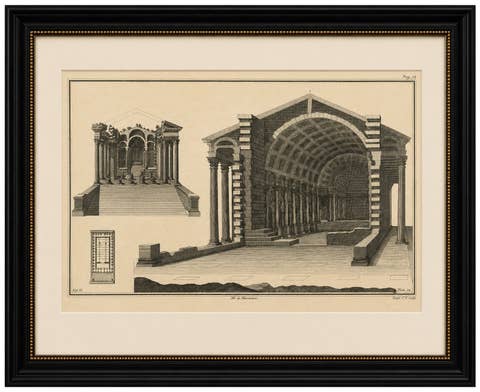
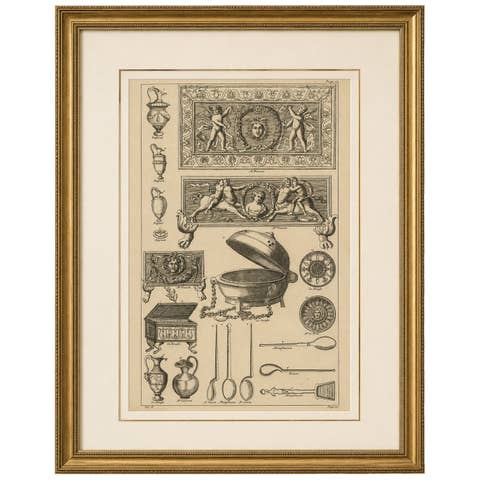
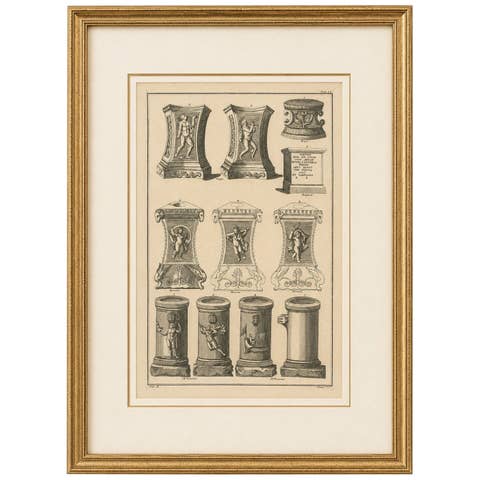
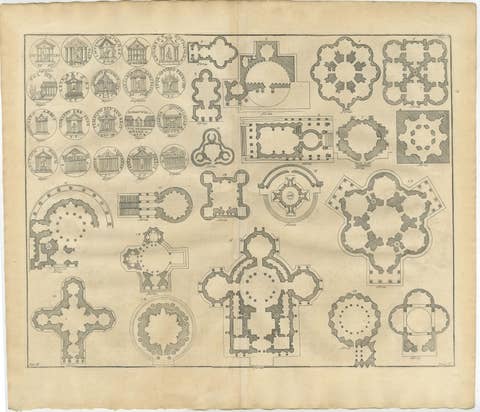
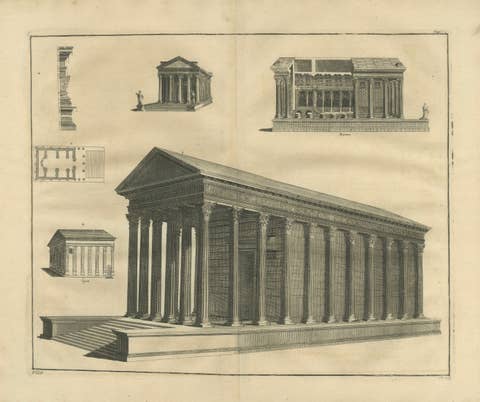
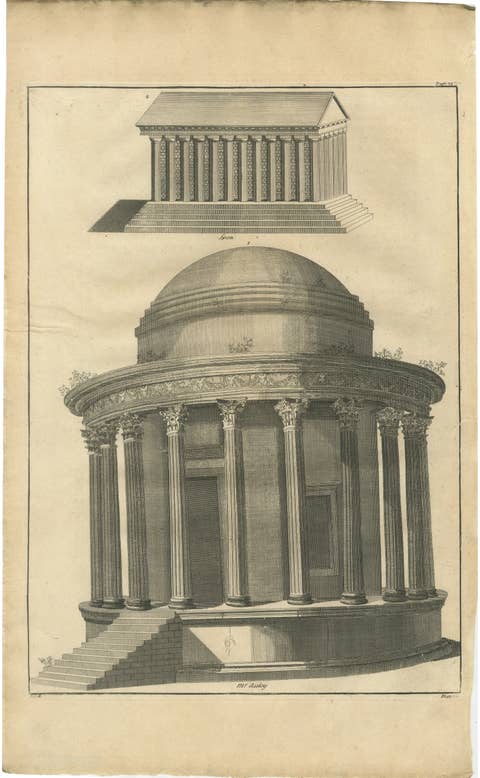
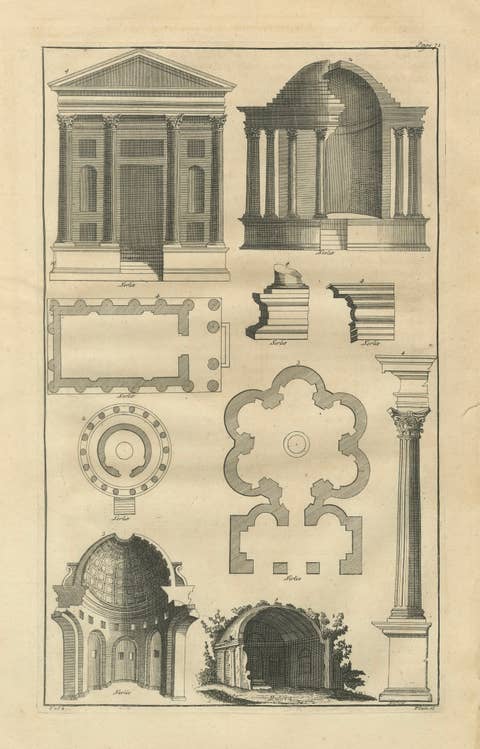
Pair of Roman Classical Sculpture Engravings, Montfaucon Antiquity, c.1721
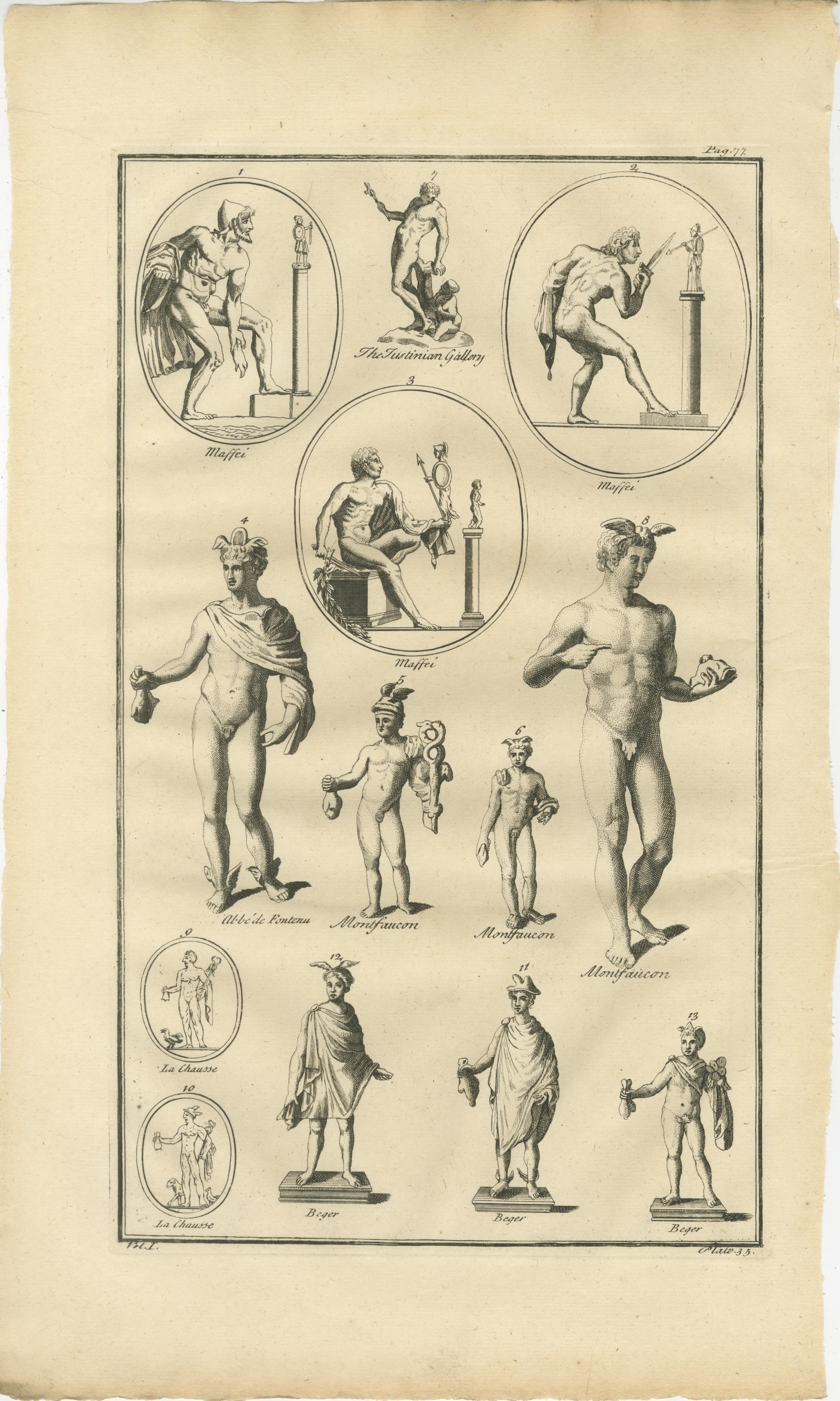
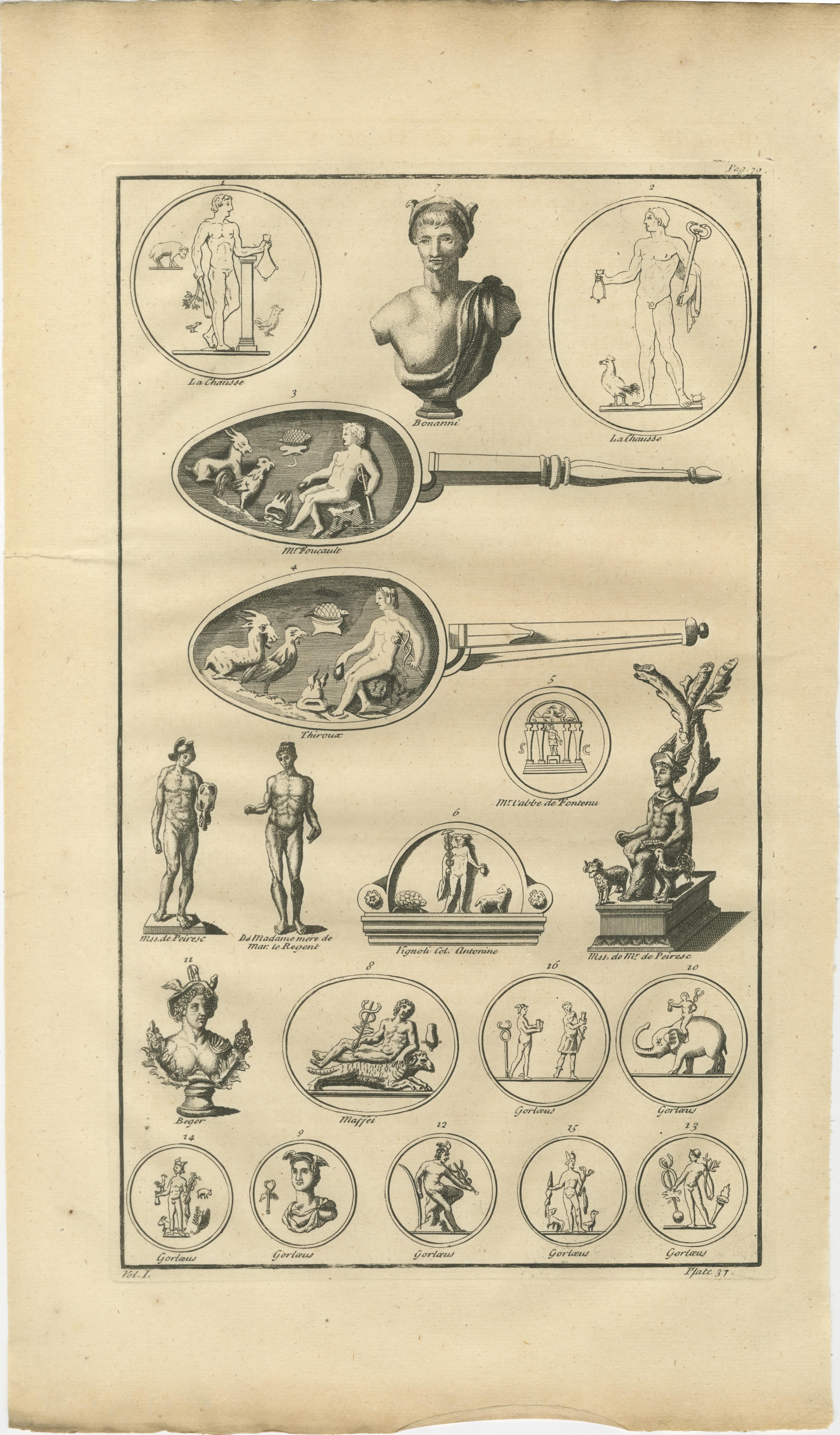
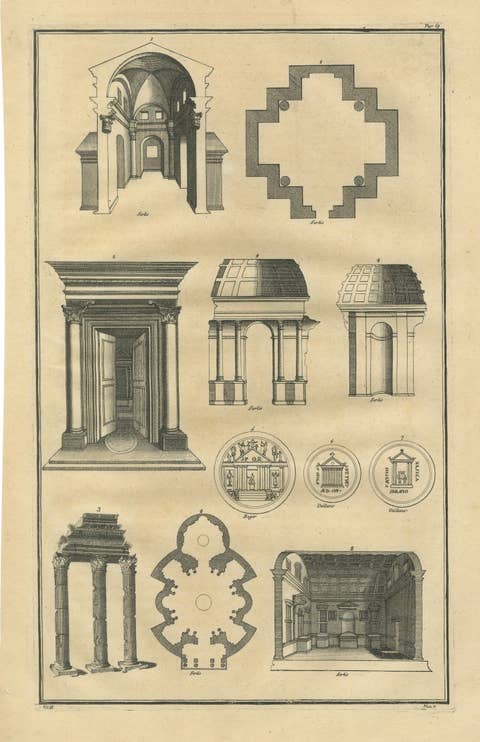
This elegant pair of early 18th-century engravings comes from Bernard de Montfaucon’s landmark publication L’Antiquité expliquée et représentée en figures, issued in Paris in 1721. Montfaucon’s work laid the foundations of modern archaeology and classical art history, and his engraved plates were used extensively by scholars, architects, and artists across Europe.
Both engravings present a carefully structured overview of Roman classical sculpture, combining full-figure statues, busts, relief fragments, and medallion-format details within a single architectural composition. The plates share identical format, engraving technique, scale, paper, and visual language, confirming them as an intentional companion pair rather than related but separate works.
The imagery balances idealized nude sculpture with fragmentary antiquities, capturing the Enlightenment fascination with proportion, anatomy, and classical form. When displayed together, the pair reads as a cohesive scholarly statement with strong decorative presence, offering rhythm, variation, and symmetry across the wall.
This pairing is particularly attractive for interior designers seeking historic depth without visual heaviness. The restrained palette, clean engraving lines, and structured layouts allow the works to sit comfortably in both classical and contemporary interiors, including libraries, studies, refined living spaces, and hospitality settings.
Condition report:
Original copper engravings on laid paper. Light, even age toning consistent with early 18th-century material. Minor handling marks and soft creases visible on close inspection. Overall clean, well-preserved impressions with strong clarity.
Framing tips:
Best framed as a matched pair with generous off-white or ivory mats and simple dark wood, black, or lightly antiqued gilt frames. Hanging side-by-side at equal height emphasizes their intended relationship and architectural balance.
Technique: Copper engraving
Maker: Bernard de Montfaucon
Source: L’Antiquité expliquée et représentée en figures, Paris, 1721