About this sheet
Quebec City Canada Harbor View – Antique Steel Engraving St. Lawrence River
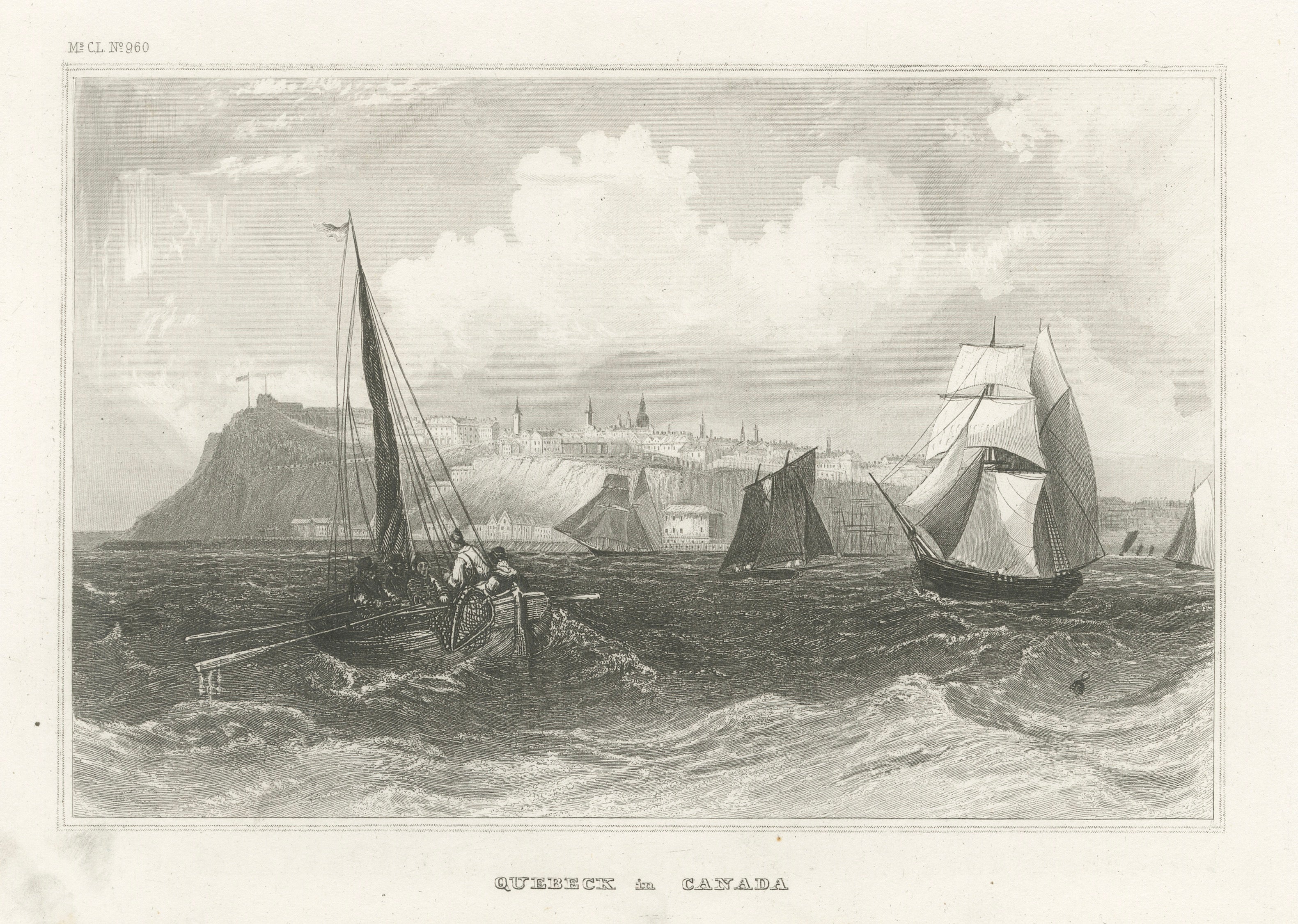
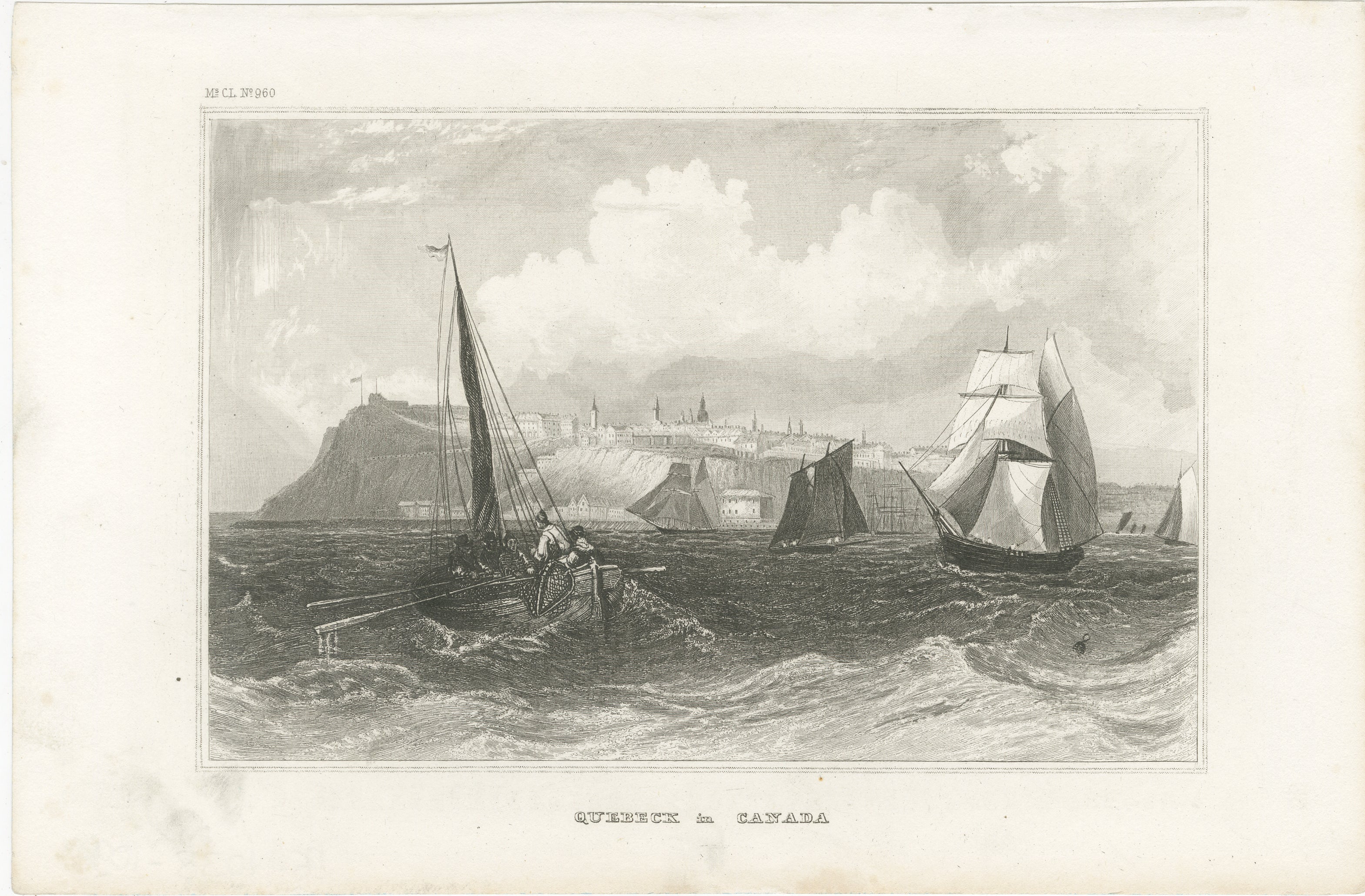
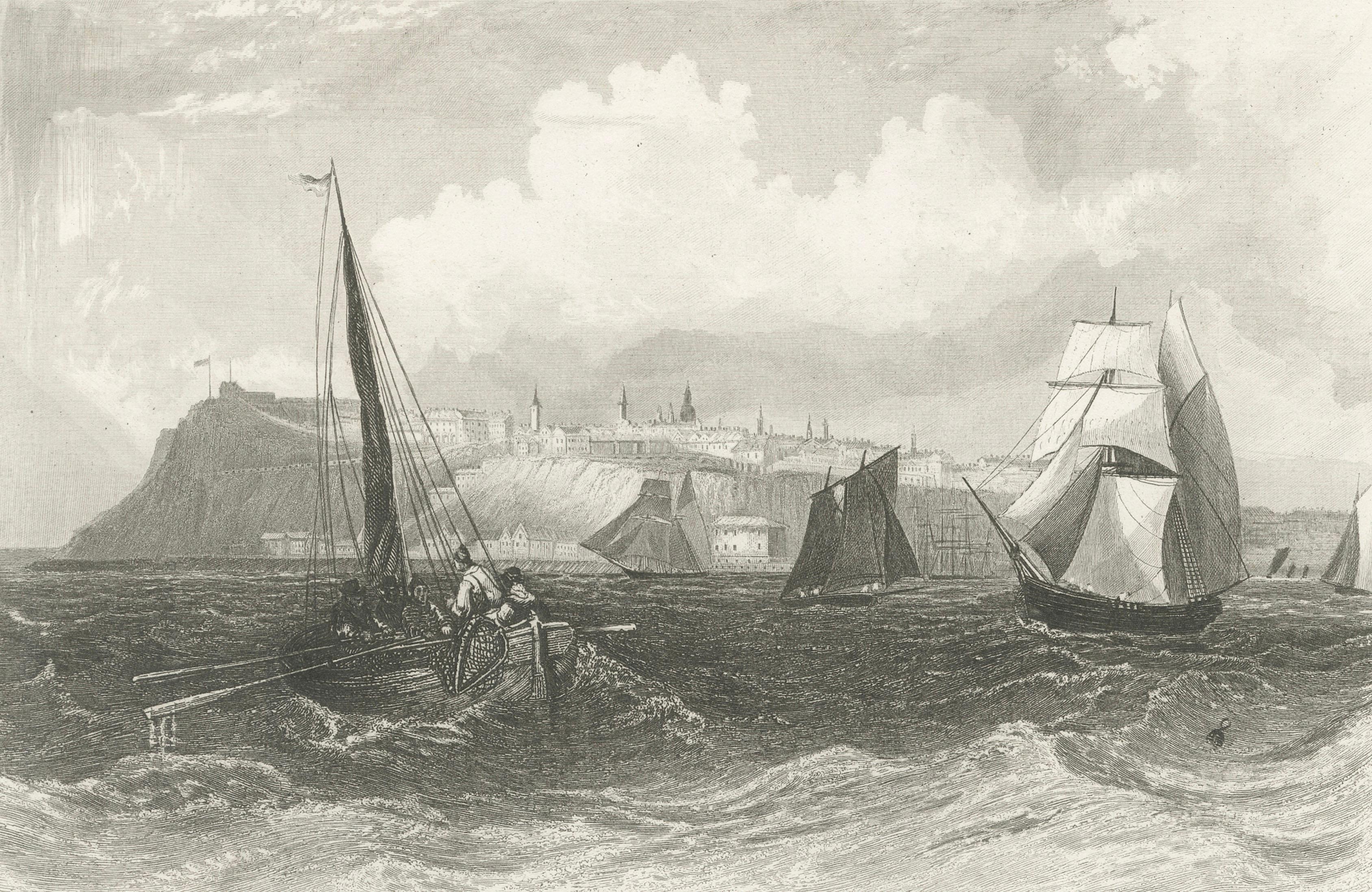
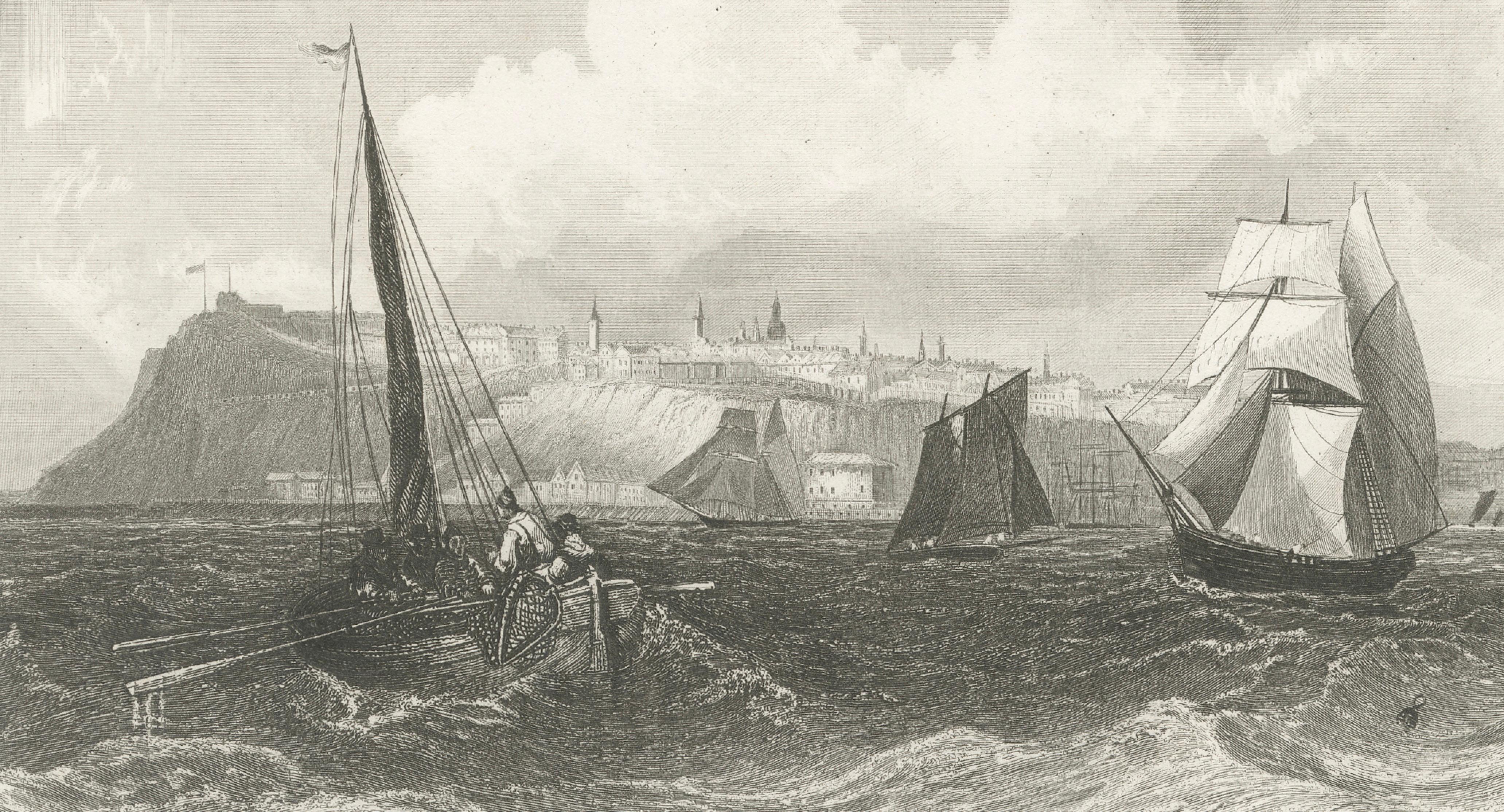
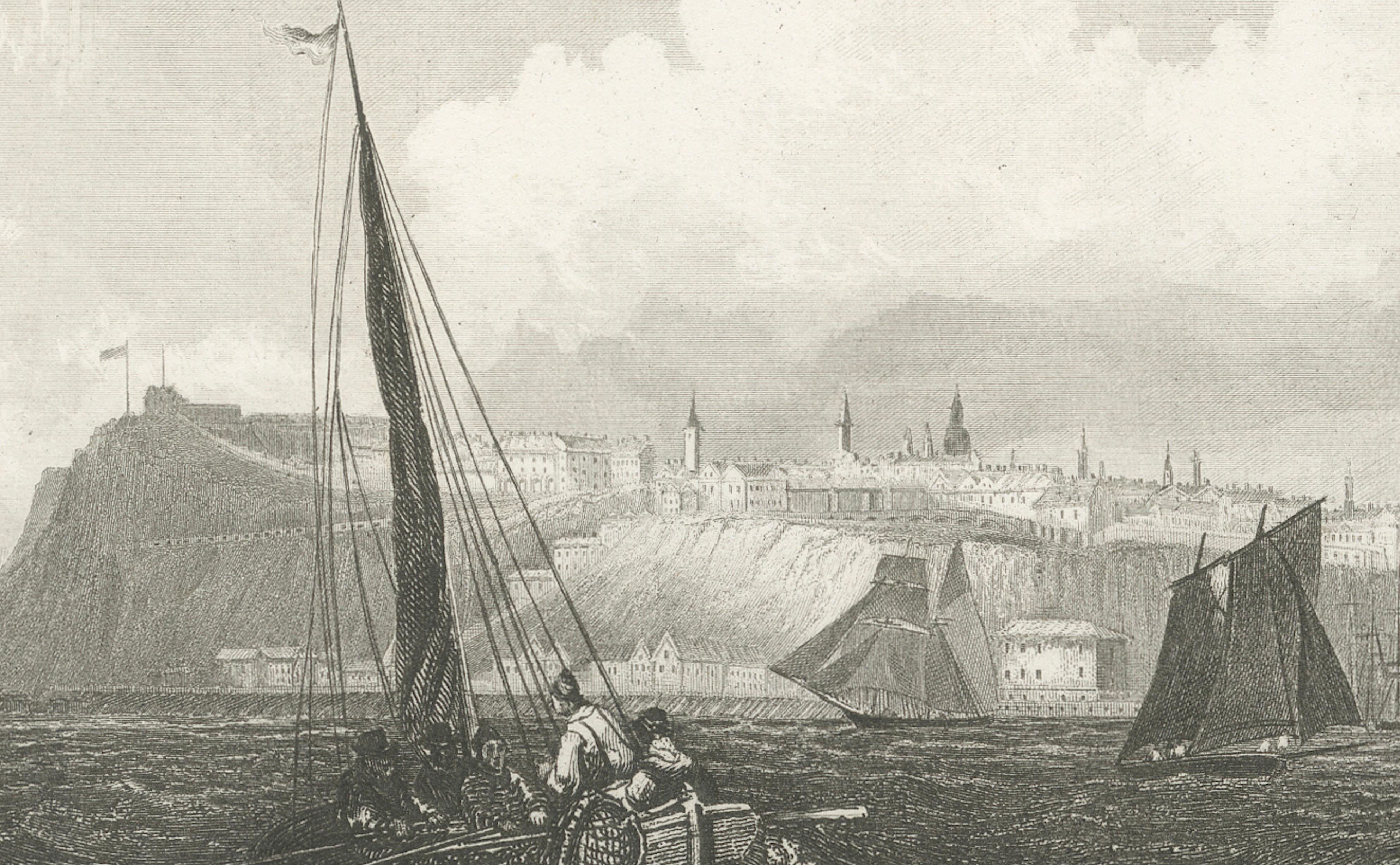
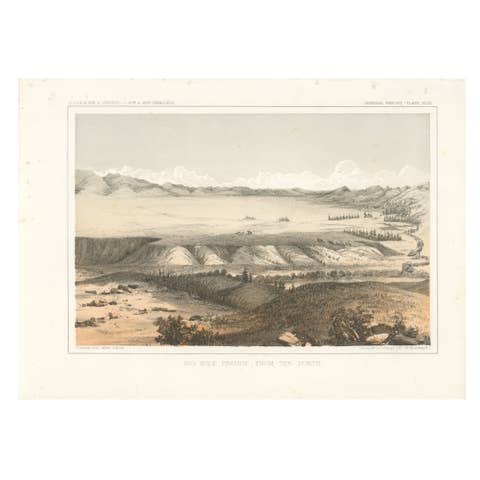
This atmospheric mid-19th century steel engraving presents a dramatic panoramic view of Quebec City, Canada, seen from the waters of the St. Lawrence River. The print was issued in the celebrated illustrated geographical series Meyers Universum, published by the Bibliographisches Institut in Germany between roughly 1838 and 1855. These finely engraved plates introduced European readers to notable landscapes, cities, and landmarks around the world, combining geographical interest with refined artistic presentation.
The composition is dominated by the powerful silhouette of Cap Diamant, the steep promontory on which Quebec City rises above the river. At its summit stands the imposing Citadelle of Quebec, part of the defensive fortifications constructed by the British in the early 19th century to protect the strategically vital colonial city. The fortifications crown the cliffs and overlook the broad St. Lawrence River, emphasizing Quebec’s importance as both a military stronghold and a major maritime port.
In the foreground, several sailing vessels navigate the often challenging waters of the St. Lawrence. The engraving shows a variety of ships typical of mid-19th century river and coastal trade, including schooners and smaller working boats. These vessels reflect Quebec’s central role in North American shipping during the era, when the city served as one of the most important ports in British North America. Timber, grain, and furs passed through this harbor on their way to Europe and other international markets.
Beyond the harbor activity, the city stretches across the skyline with church spires, government buildings, and dense clusters of houses. Quebec City was at the time the political and administrative center of the Province of Canada and one of the most culturally significant cities in North America. Its distinctive mix of French colonial heritage and British imperial architecture made it one of the most recognizable urban landscapes on the continent.
The engraving demonstrates the exceptional clarity and tonal depth typical of steel-plate engraving. This technique, widely used in the 19th century for illustrated books and atlases, allowed engravers to produce extremely fine lines and subtle shading, creating a sense of atmosphere and movement in both the water and sky.
Today this print remains highly desirable as both a historical record of Quebec City during the age of sail and as an elegant decorative view of one of North America’s most historic ports.
Condition report:
Good condition for its age with light overall age toning and minor spotting mainly in the margins. Plate mark visible. Paper remains strong and stable.
Framing tips:
This engraving displays beautifully in a dark walnut, black, or ebonized frame with a wide ivory or cream mat. Such framing highlights the delicate engraving lines and creates a refined presentation suitable for both classic and contemporary interiors.
Technique: Steel engraving
Maker: Bibliographisches Institut (Meyers Universum), Germany, circa 1838–1855
Keyword block (nearby cities and towns):
Quebec City Canada, St. Lawrence River, Lévis Quebec, Beauport Quebec, Montmorency Quebec, Sainte-Foy Quebec, Loretteville Quebec, Charlesbourg Quebec, Cap Rouge Quebec, Île d'Orléans Quebec, Baie-Saint-Paul Quebec, Trois-Rivières Quebec, Montreal Quebec, Saguenay River region, Charlevoix region Quebec, Lower St. Lawrence towns, French Canada historic cities.
SEO keyword block:
Quebec City print, Quebec harbor engraving, St Lawrence River print, antique Canada harbor view, Quebec City panoramic engraving, historic Canadian port print, 19th century Quebec City artwork, Canadian maritime engraving, antique harbor scene Canada, British North America print, Quebec Citadel engraving, decorative antique cityscape print, Meyers Universum engraving, Bibliographisches Institut print, collectible Canadian history print, antique North America city view, sailing ships harbor engraving, historic Quebec port artwork.