About this sheet
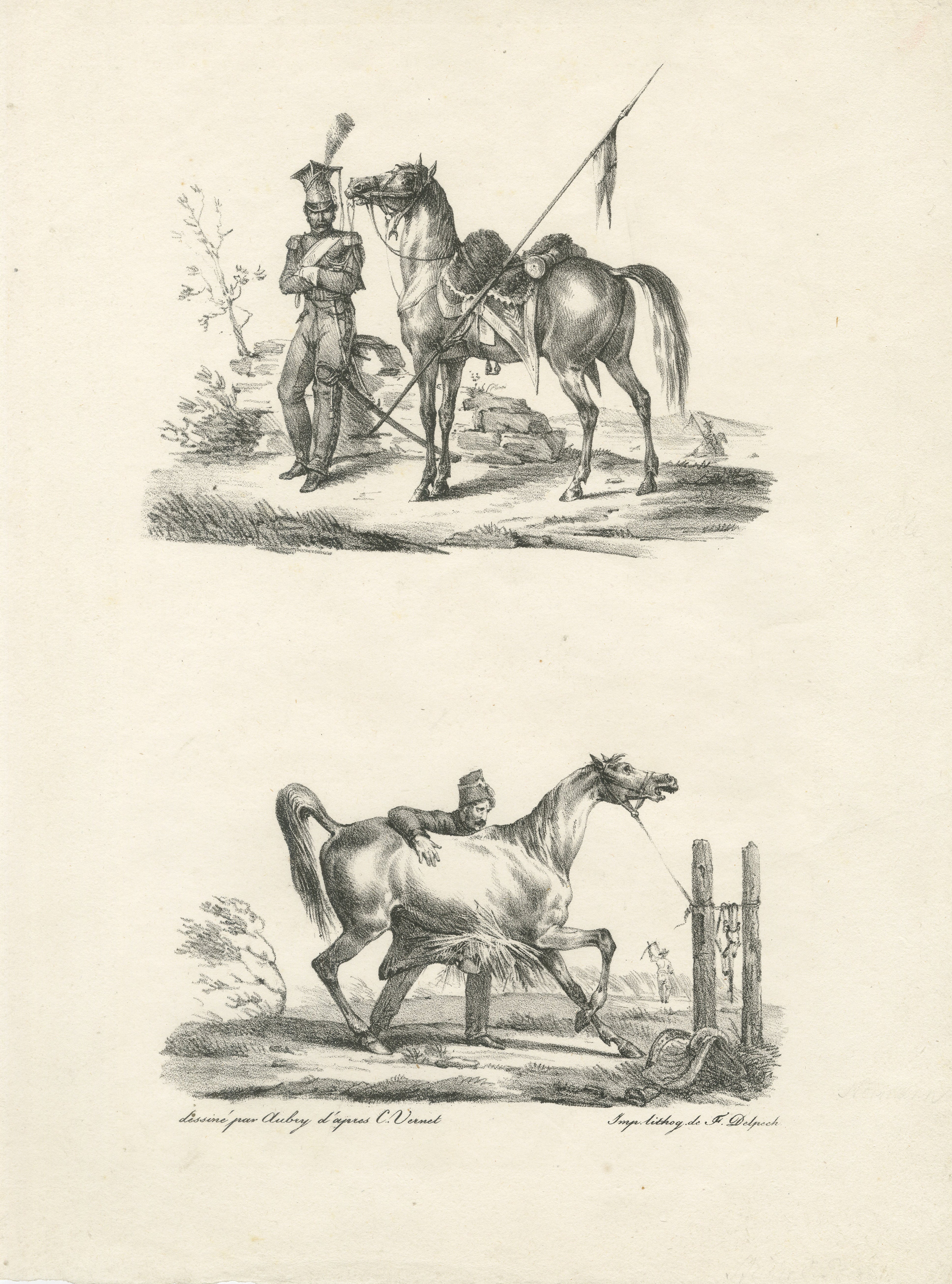
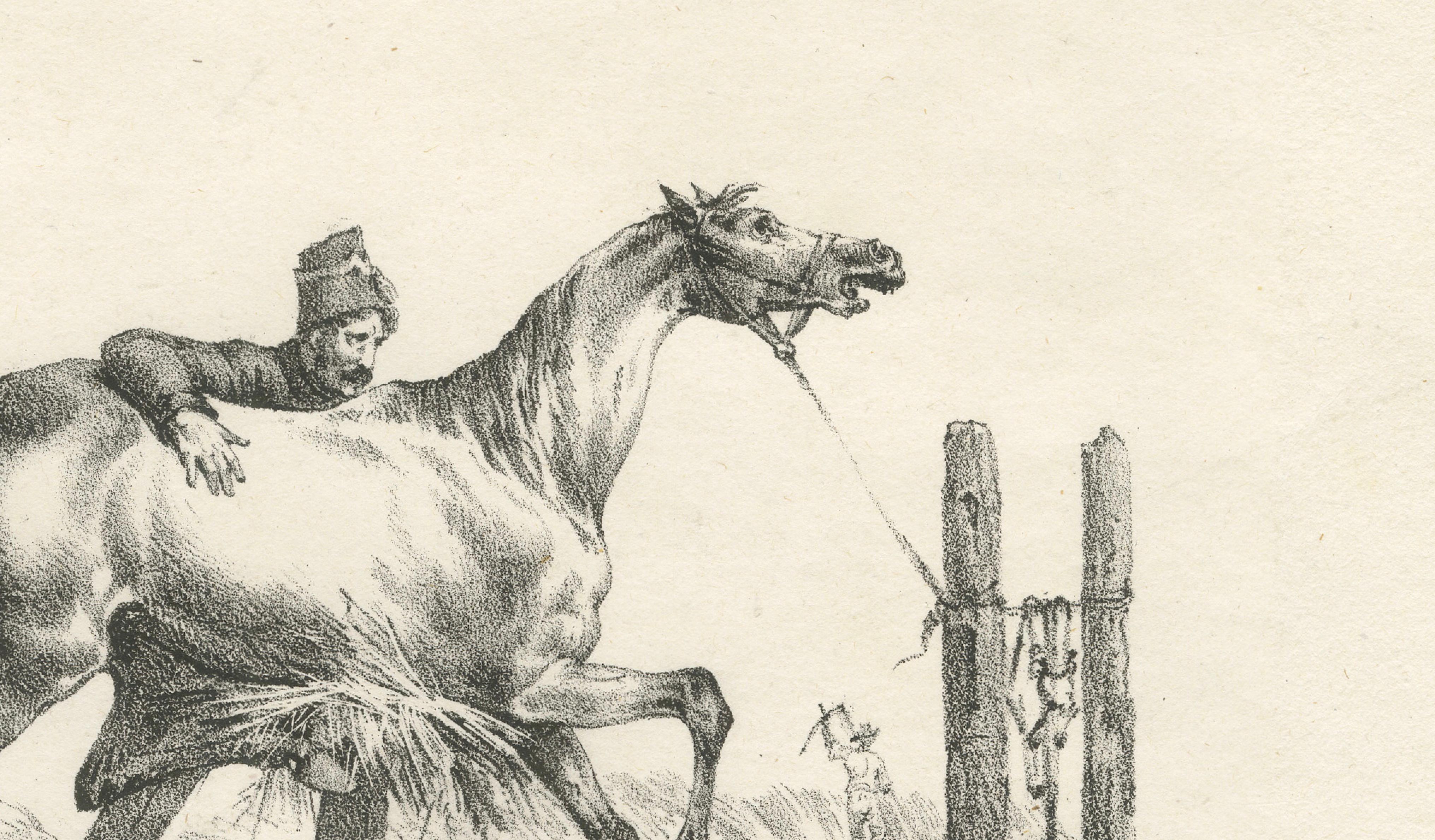
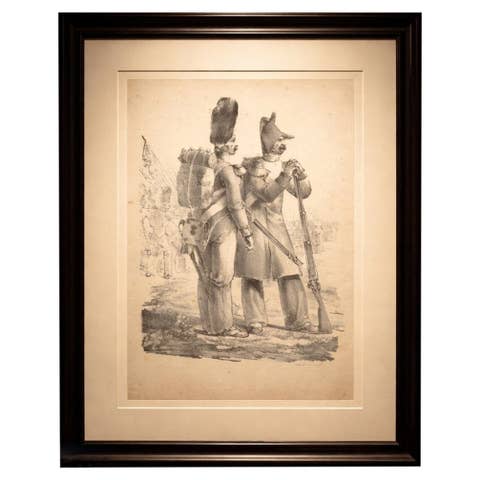
A finely executed French lithograph depicting two spirited Arabian equestrian scenes inspired by the celebrated works of Carle Vernet, one of the foremost sporting and military artists of the late 18th and early 19th centuries. Printed in Paris around 1825, this elegant sheet presents two separate compositions featuring cavalrymen and animated Arabian horses rendered in the dramatic and highly recognizable style associated with Vernet and the French Romantic period.
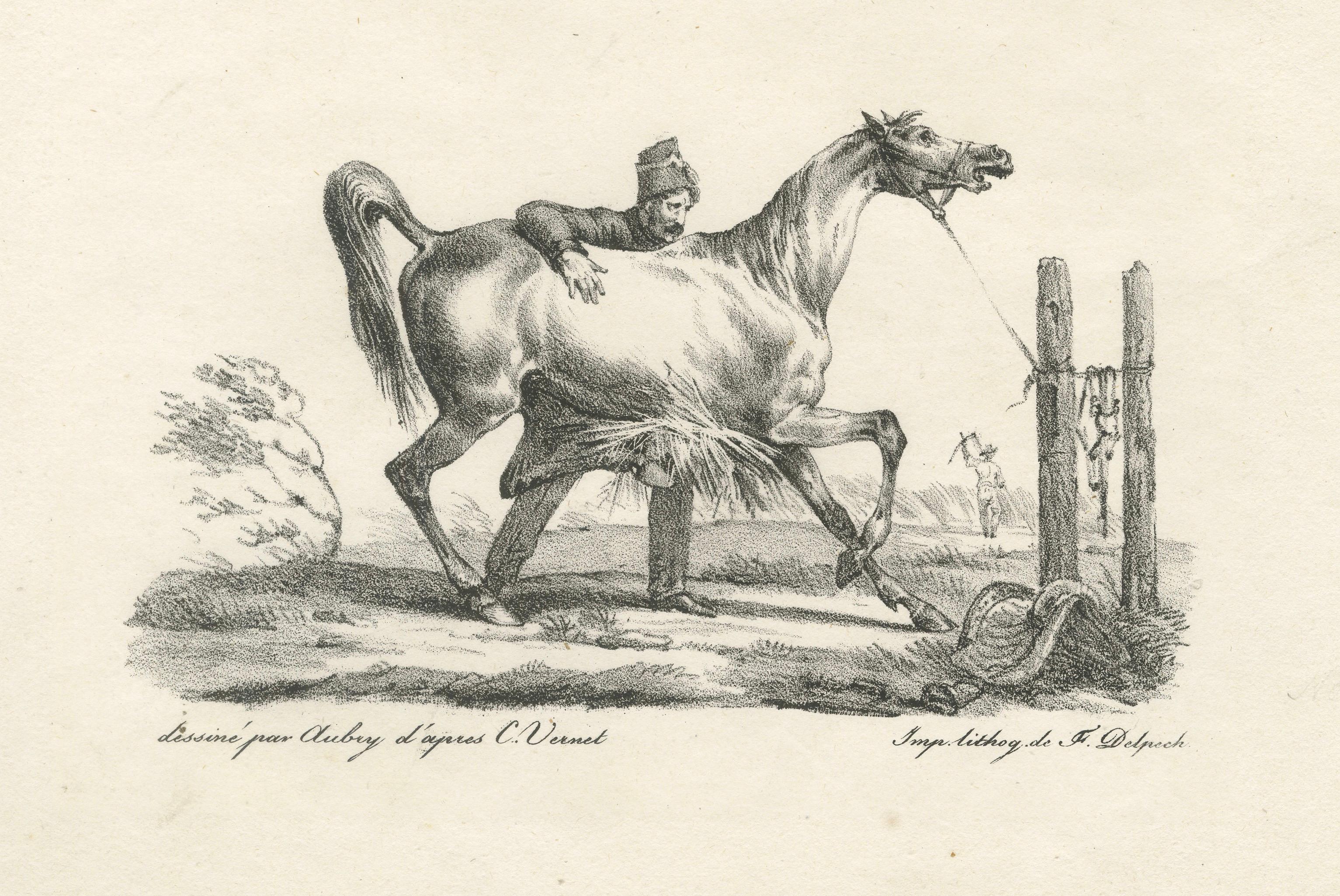
The lower inscription indicates the compositions were “dessiné par Aubry d’après C. Vernet” (drawn by Aubry after Carle Vernet), while the lithographic printing was executed by the important Parisian printer F. Delpech (“Imp. lithog. de F. Delpech”). François-Séraphin Delpech was among the pioneering lithographic printers in France and collaborated with many major artists during the Restoration era.
Carle Vernet (1758–1836) was internationally renowned for his depictions of cavalry, hunting scenes, horses, and military life. His fascination with Arabian horses, Mameluke riders, and Oriental military imagery strongly influenced European taste during the early 19th century. Following Napoleon’s campaigns in Egypt and the wider European fascination with the Ottoman world and North Africa, scenes featuring exotic horsemen and spirited Arabian horses became highly fashionable among aristocratic collectors and military patrons.
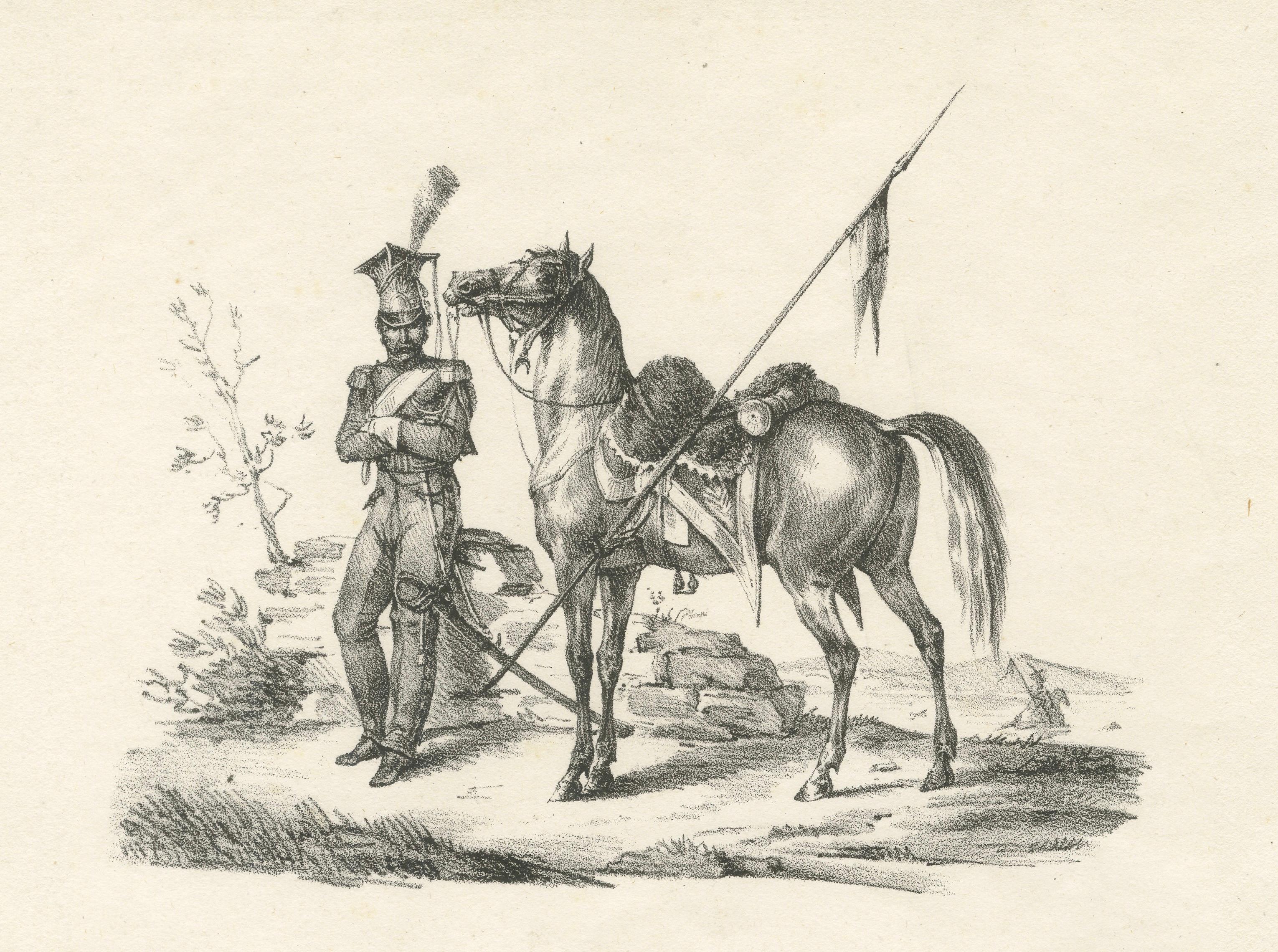
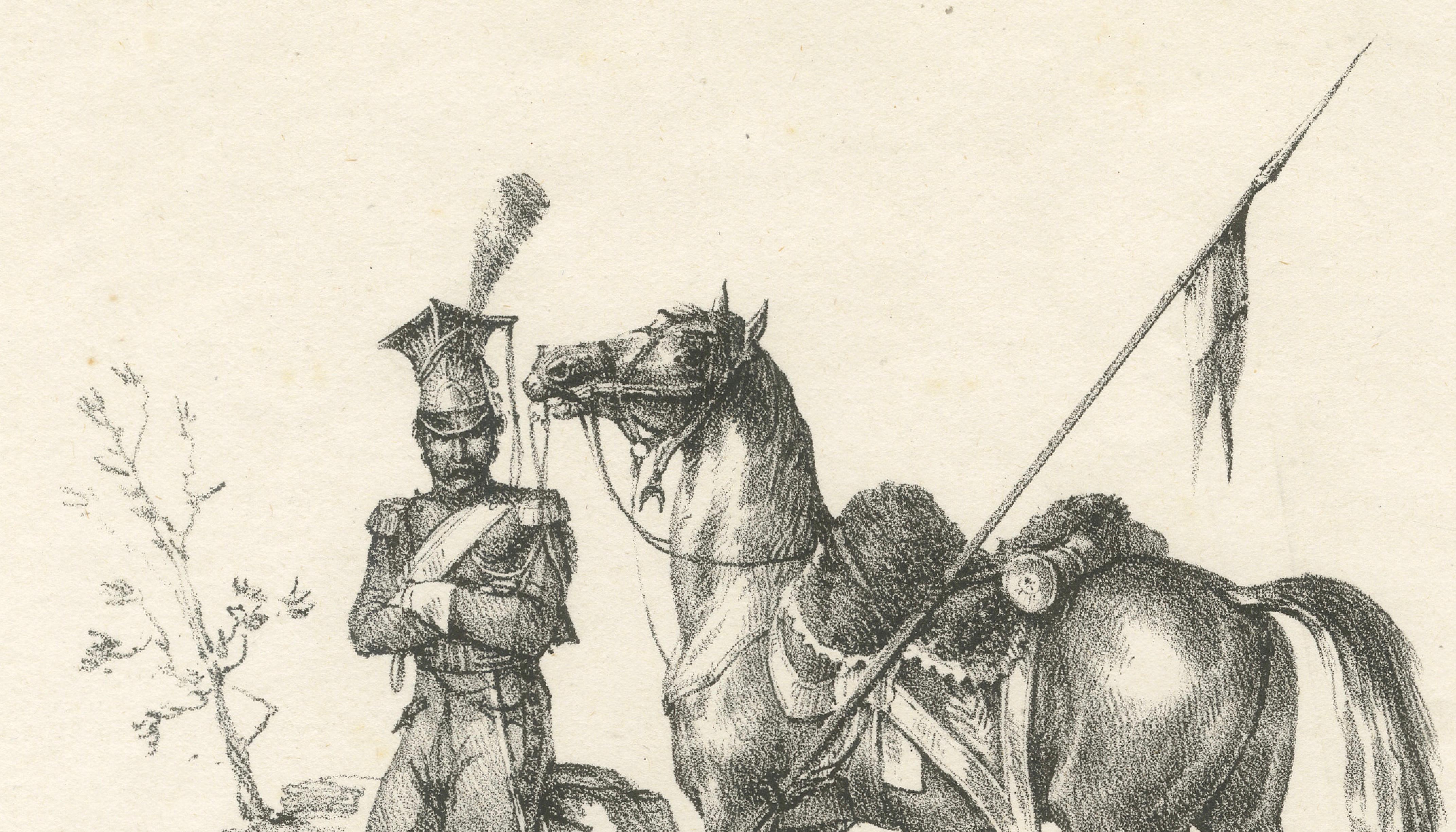
The upper composition depicts a standing cavalryman beside a saddled Arabian horse carrying a lance and military equipment, evoking the atmosphere of Napoleonic or Mameluke cavalry traditions. The lower scene presents a more dynamic study of a groom restraining an energetic Arabian horse in motion, beautifully capturing the animal’s temperament and muscular elegance. Both scenes demonstrate Vernet’s extraordinary understanding of equine anatomy and movement.
Executed in delicate monochrome lithography, the sheet possesses a refined tonal quality and a spacious composition that enhances its decorative appeal. The generous margins and elegant balance between image and open paper give the work an almost album-like sophistication highly suited for refined interiors.
Today, early French lithographs after Carle Vernet are highly sought after by collectors of sporting art, military subjects, Orientalism, and equestrian imagery. This example combines historical interest with timeless decorative charm.
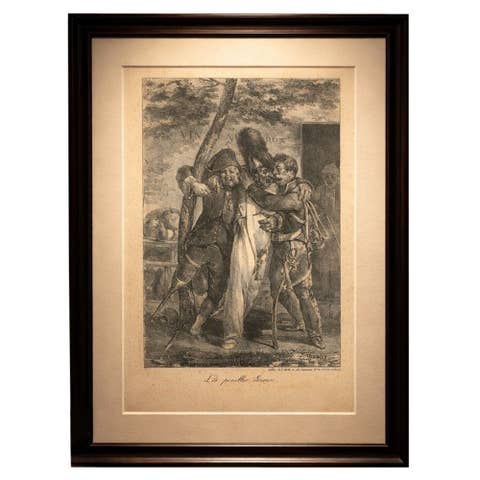
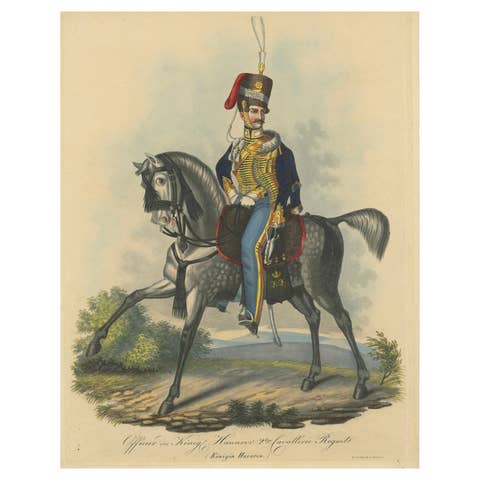
This is an original antique print, not a reproduction. All items we offer are authentic period works of art over 100 years old. The piece is sold unframed; any framed images are shown for presentation and interior inspiration only and may not always be to scale.
Keywords: Arabian horse, Carle Vernet, cavalry print, oriental horsemen, antique lithograph, French sporting art, Napoleonic cavalry, Mameluke rider, equestrian art, F. Delpech, Aubry, antique horse print, French lithography, military horseman, Orientalist print, horse study, Paris lithograph, 19th century sporting art, cavalry officer, equestrian engraving
Condition:
Age-related toning, scattered light foxing, and minor edge wear consistent with age. Deckled edges preserved. Overall in good antique condition with attractive tonal quality and strong decorative appeal.
Framing Tips:
This lithograph displays exceptionally well in dark walnut, black lacquer, or lightly gilt frames paired with a wide ivory or oatmeal mat. Its refined monochrome palette and elegant Arabian equestrian subject matter make it particularly suitable for libraries, studies, country houses, equestrian interiors, or sophisticated gallery walls.
This piece works especially well for:
Dubai / Middle Eastern luxury interiors
Equestrian collections
Gentleman’s libraries
Boutique hotels
Sophisticated monochrome gallery walls
Ottoman or Orientalist-inspired interiors
Technique: Lithograph
Maker: Aubry after Carle Vernet, printed by F. Delpech, Paris, circa 1825