About this sheet
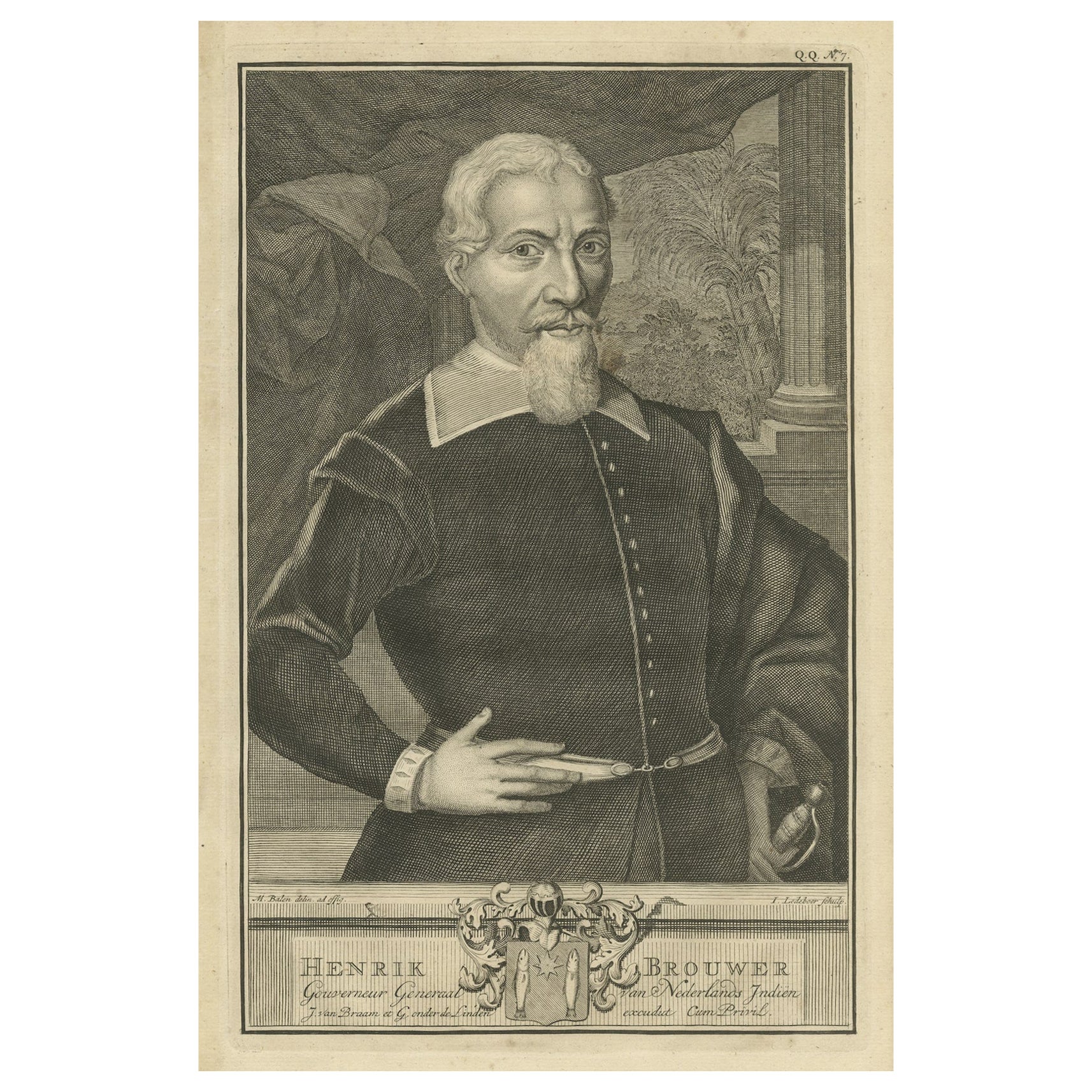
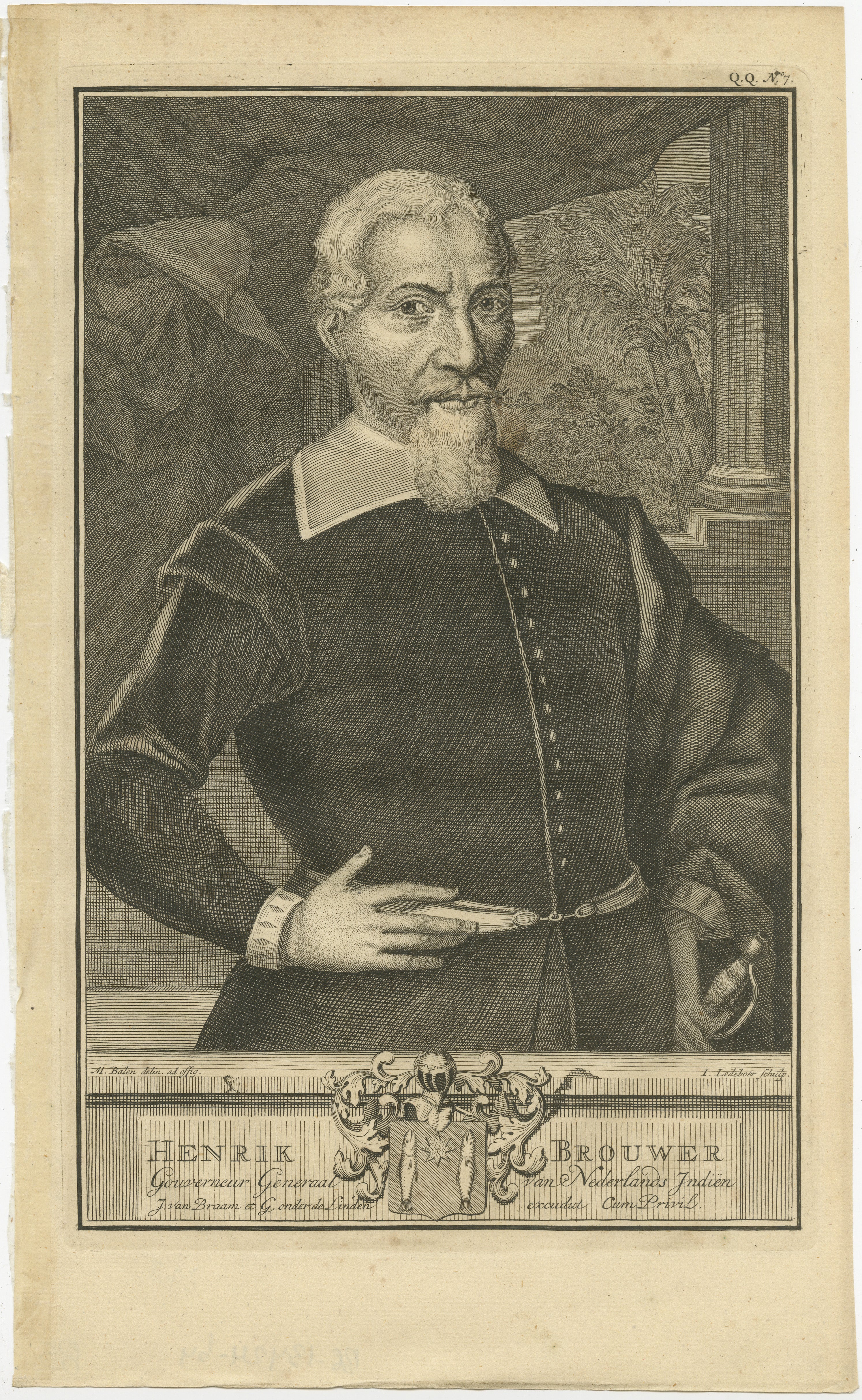
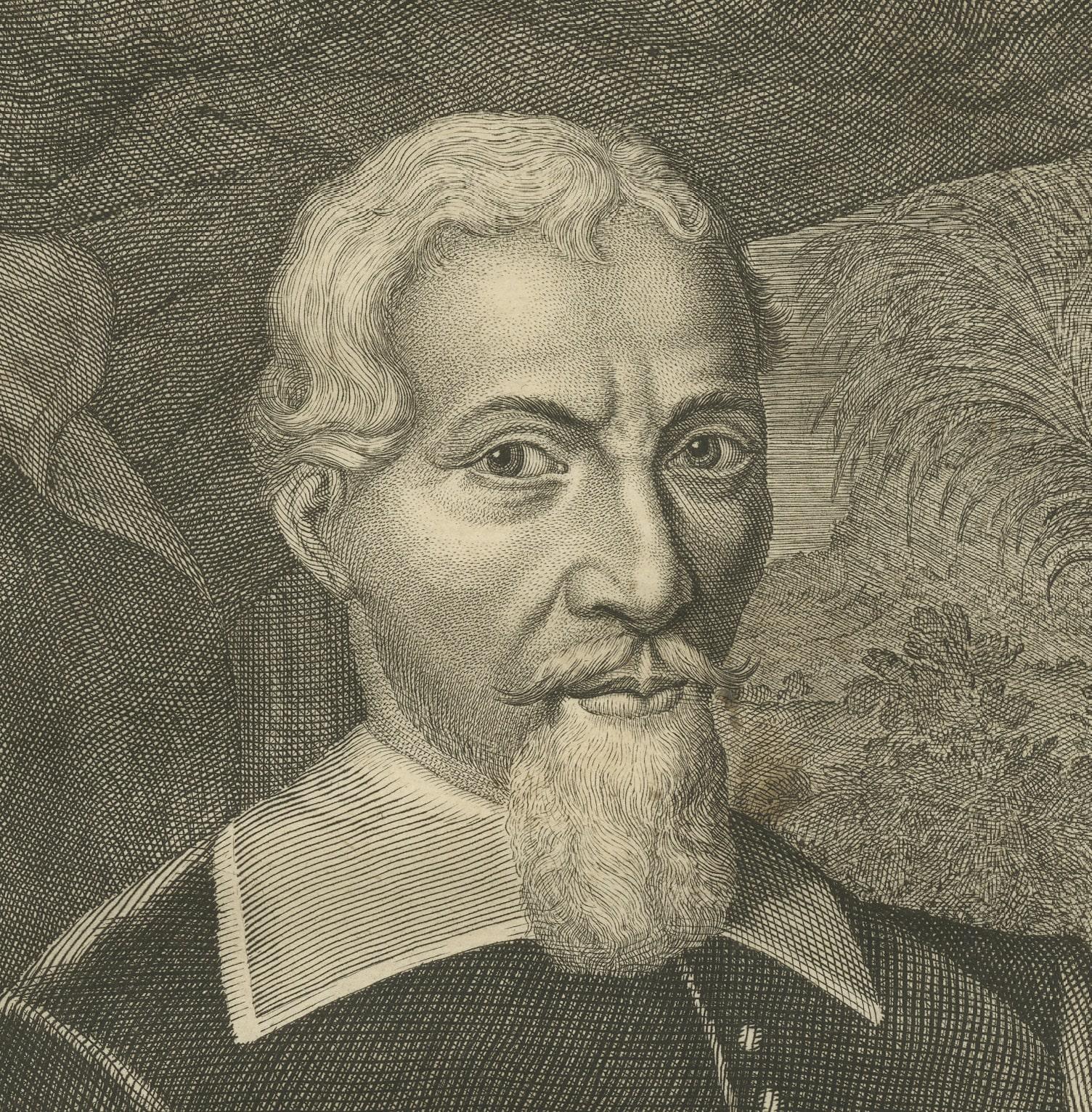
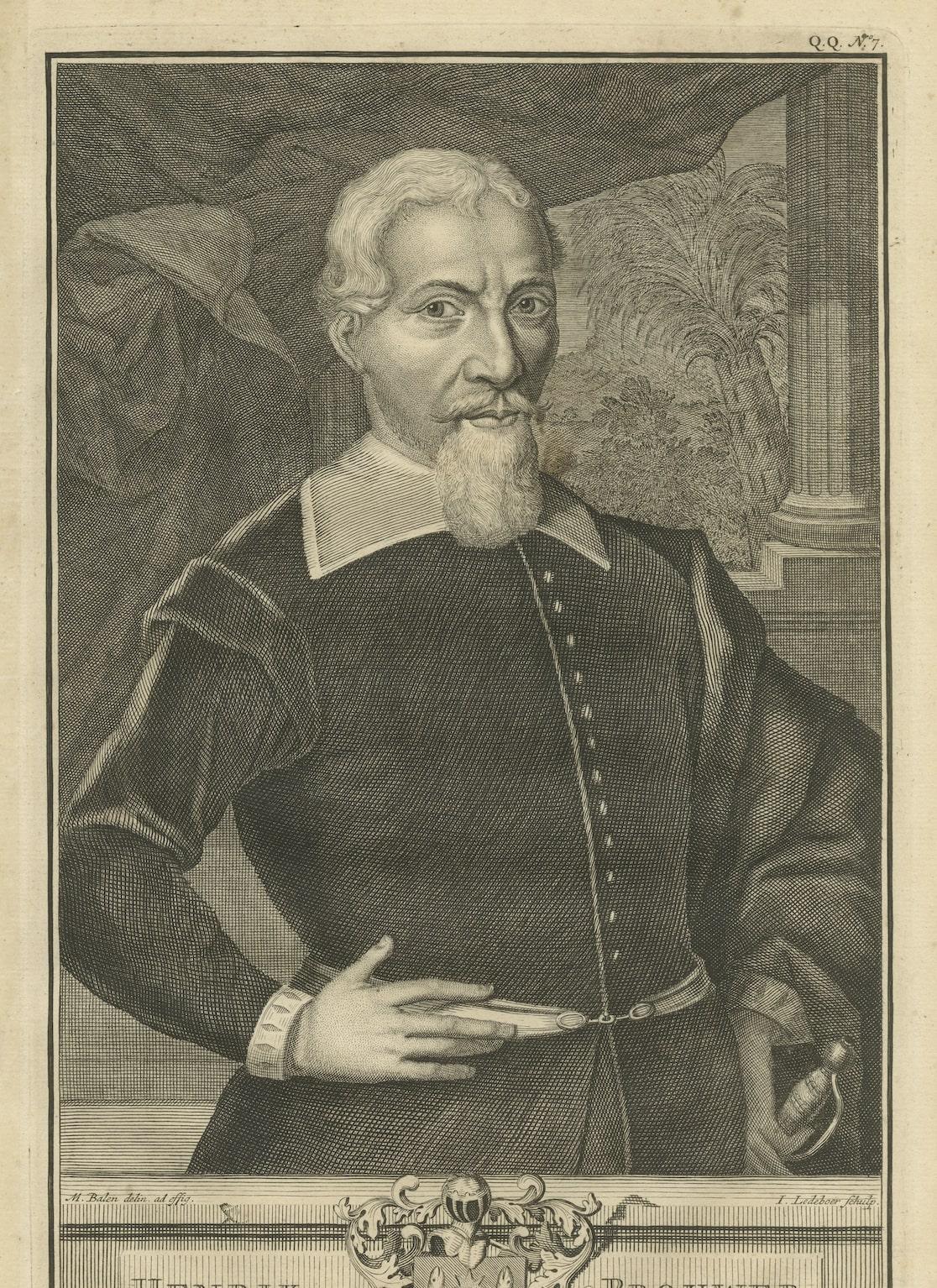
Hendrik Brouwer was a notable figure in the 17th century, particularly for his role in the Dutch East India Company (VOC) and his contributions to maritime navigation. Here's a summary of his life:
1. **Early Life and Career**: Hendrik Brouwer was born around 1581 in the Netherlands. Little is known about his early life, but he emerged as a significant figure in Dutch maritime history due to his skills as a navigator and his leadership abilities.
2. **Service with the Dutch East India Company**: Brouwer joined the VOC, which was a major force in global trade and exploration during this period. He quickly made a name for himself within the company.
3. **Governor-General of the Dutch East Indies**: Brouwer served as the Governor-General of the Dutch East Indies from 1632 to 1636. His tenure was significant for the efforts to strengthen Dutch control over the spice trade and to consolidate the VOC’s power in Southeast Asia.
4. **Brouwer Route**: Perhaps one of his most enduring contributions was the development of the Brouwer Route, a faster sailing route from the Cape of Good Hope to Java that significantly reduced the voyage time. This route became a vital passage for the VOC, enhancing the efficiency of trade and communication between the Netherlands and its colonies.
5. **Later Years and Death**: After his term as Governor-General, Brouwer continued to be involved in significant voyages and naval engagements. He died in 1643 during an expedition in Chile, where he was involved in conflicts between Spain and the indigenous Mapuche people.
6. **Legacy**: Hendrik Brouwer is remembered for his contributions to maritime navigation and his role in the Dutch colonial enterprise. His leadership in the VOC helped establish Dutch dominance in the region, and his navigation techniques had a lasting impact on the field of maritime exploration.
Brouwer's life was intertwined with the age of exploration and the complex dynamics of early global trade networks. His achievements in navigation and his leadership in the VOC are part of the broader narrative of Dutch maritime history and its global influence in the 17th century.
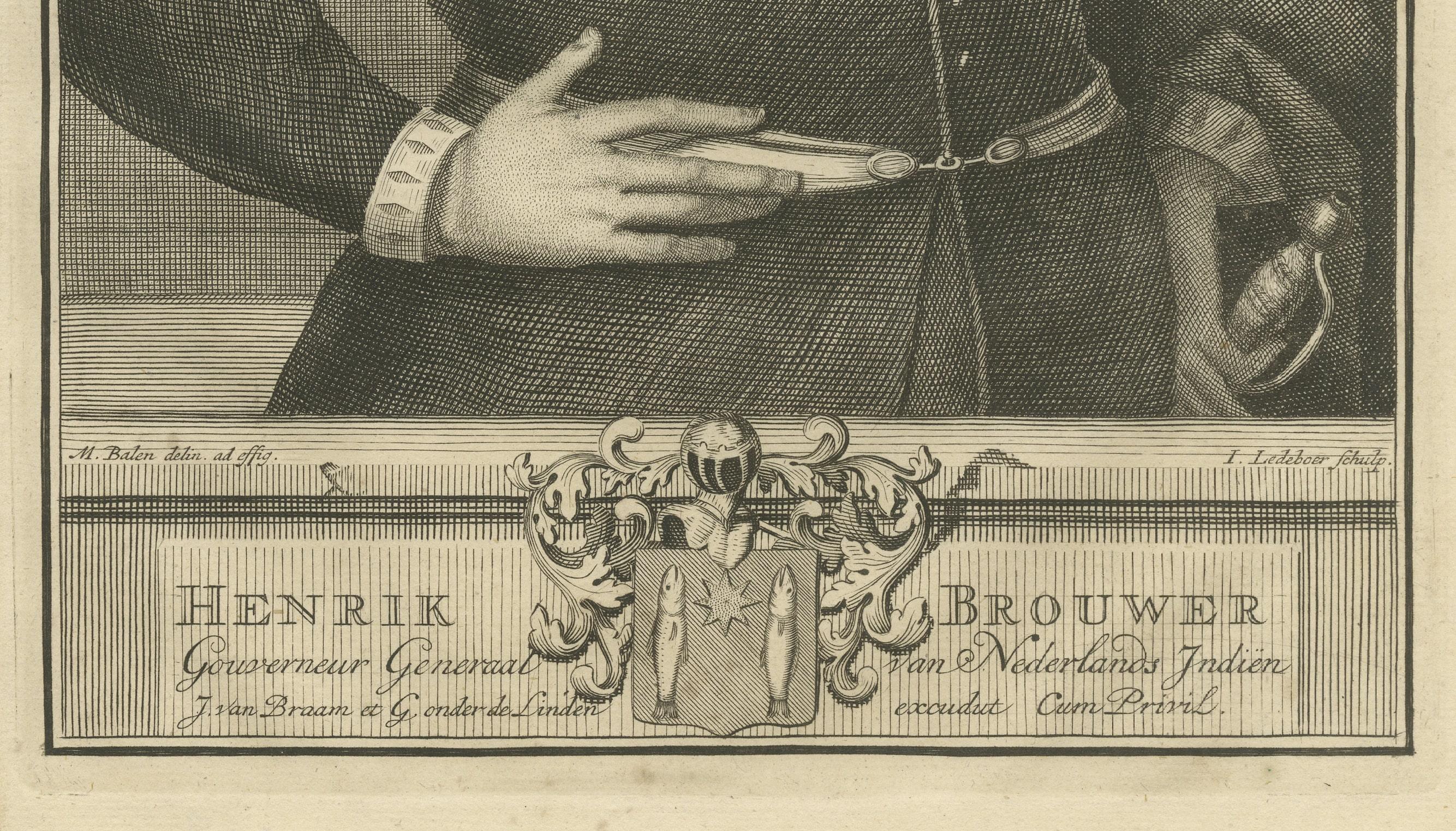
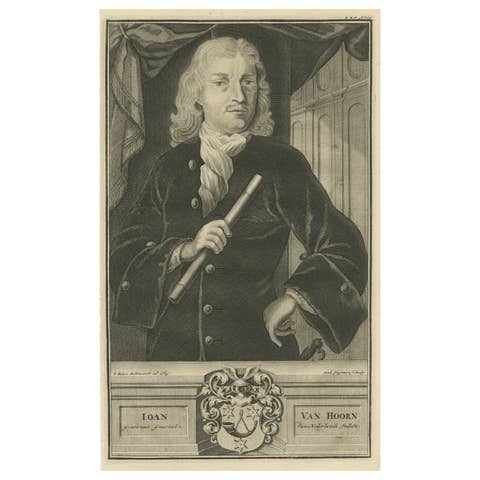
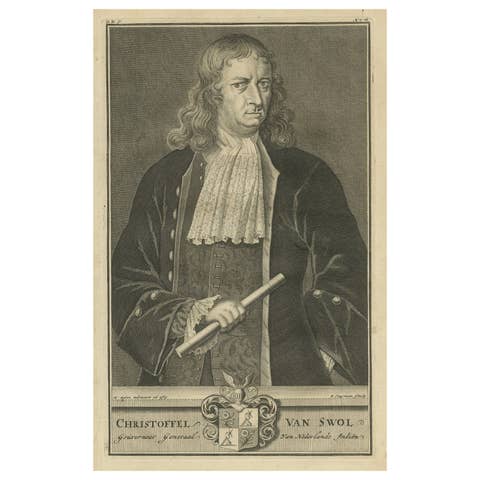
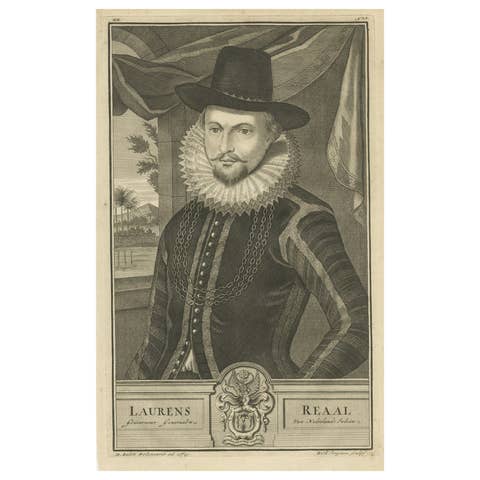
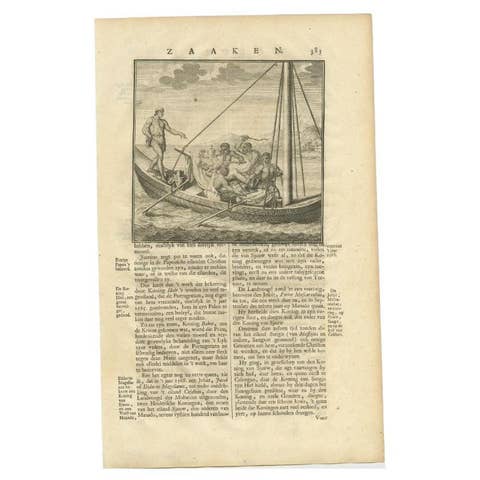
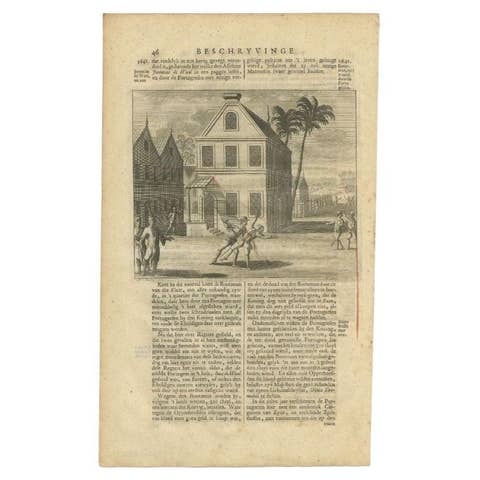
From the monumental work by François Valentyn: “Oud en nieuw Oost-Indiën, vervattende een naaukeurige en uitvoerige verhandelinge van Nederlands mogentheyd in die gewesten”. Dordrecht/Amsterdam: J. van Braam en G. onder de Linden, 1724/1726. (Transl.: Old and new East-Indies, including an accurate and extensive description of Dutch / VOC controlled territories.)
Made by an anonymous engraver after Valentijn.