About this sheet
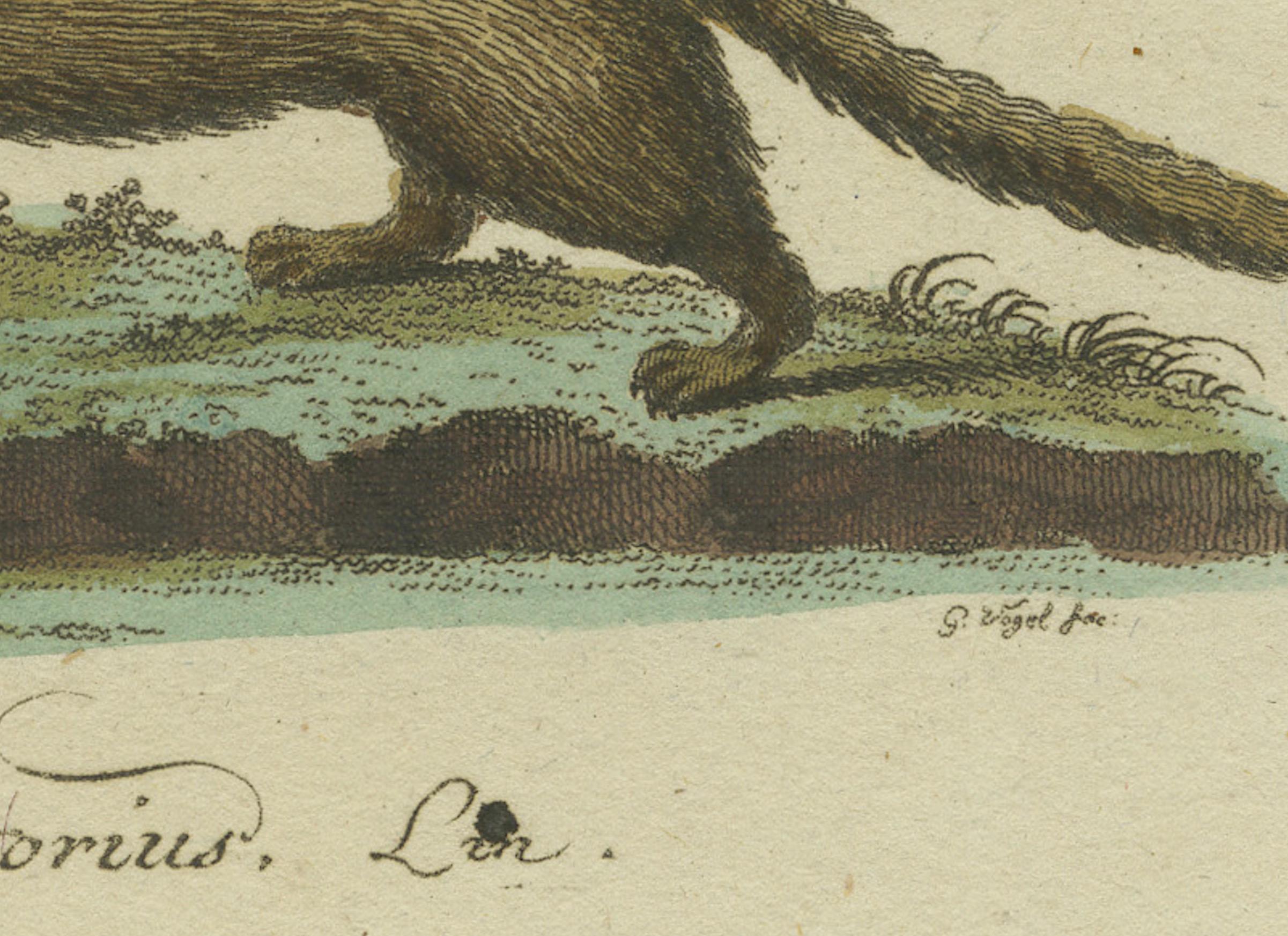
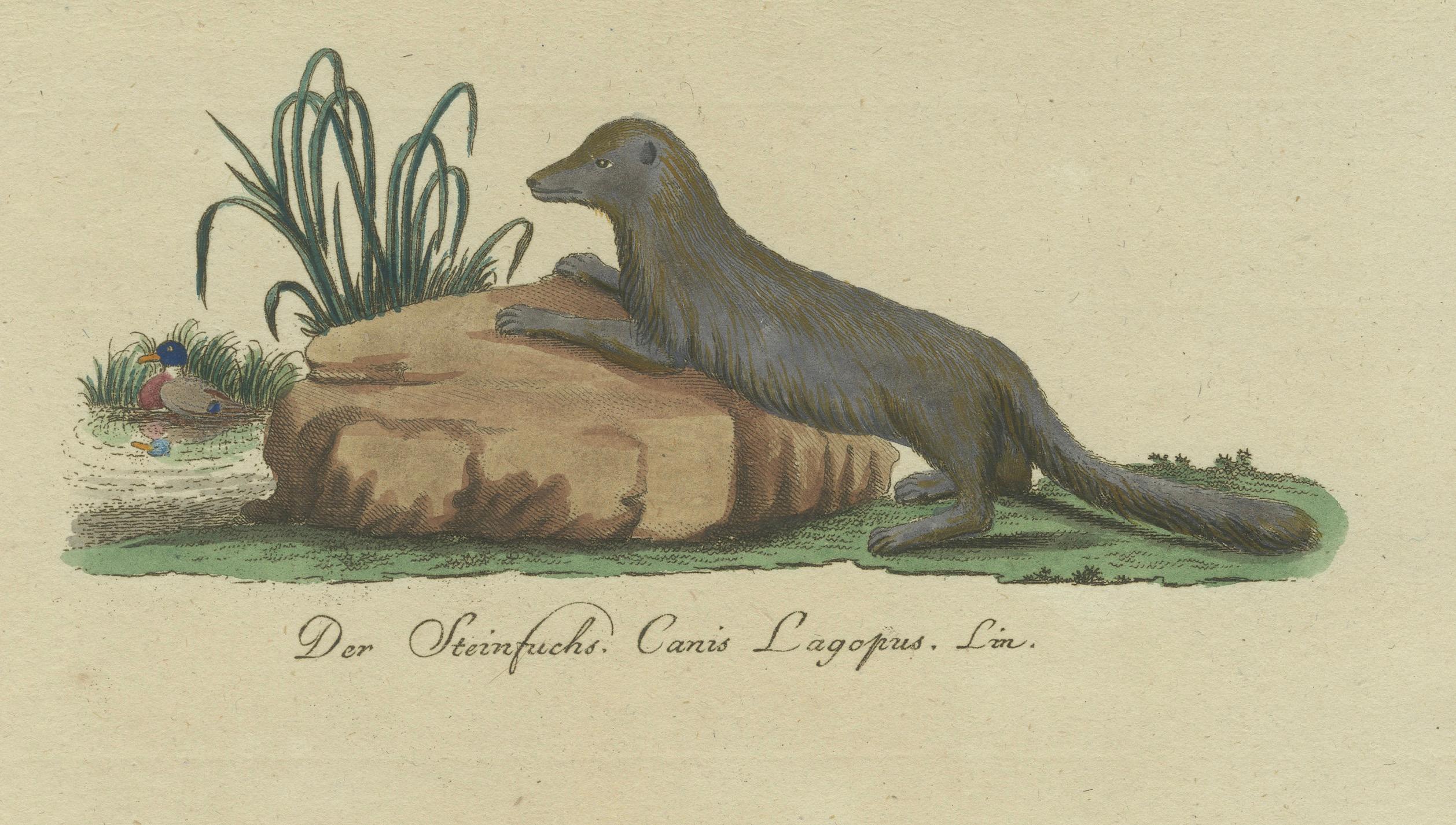
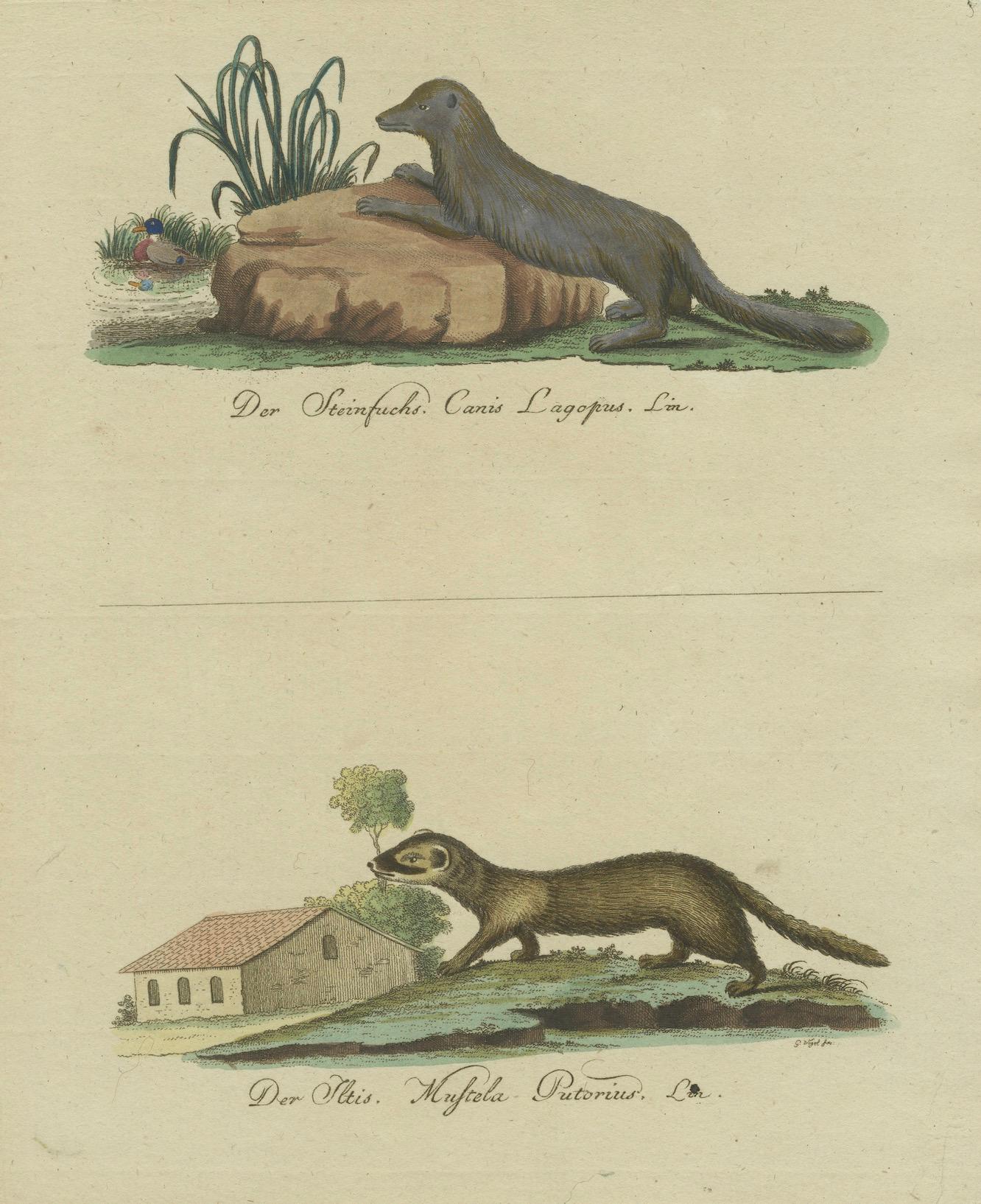
Given the engraver's name, G. Vogel, and the visual style and content of the print, it is quite likely that this engraving is from Johann Christian Daniel von Schreber's "Die Säugethiere in Abbildungen nach der Natur mit Beschreibungen" (The Mammals in Illustrations According to Nature with Descriptions). This work featured contributions from various artists and engravers, with G. Vogel being one of them.
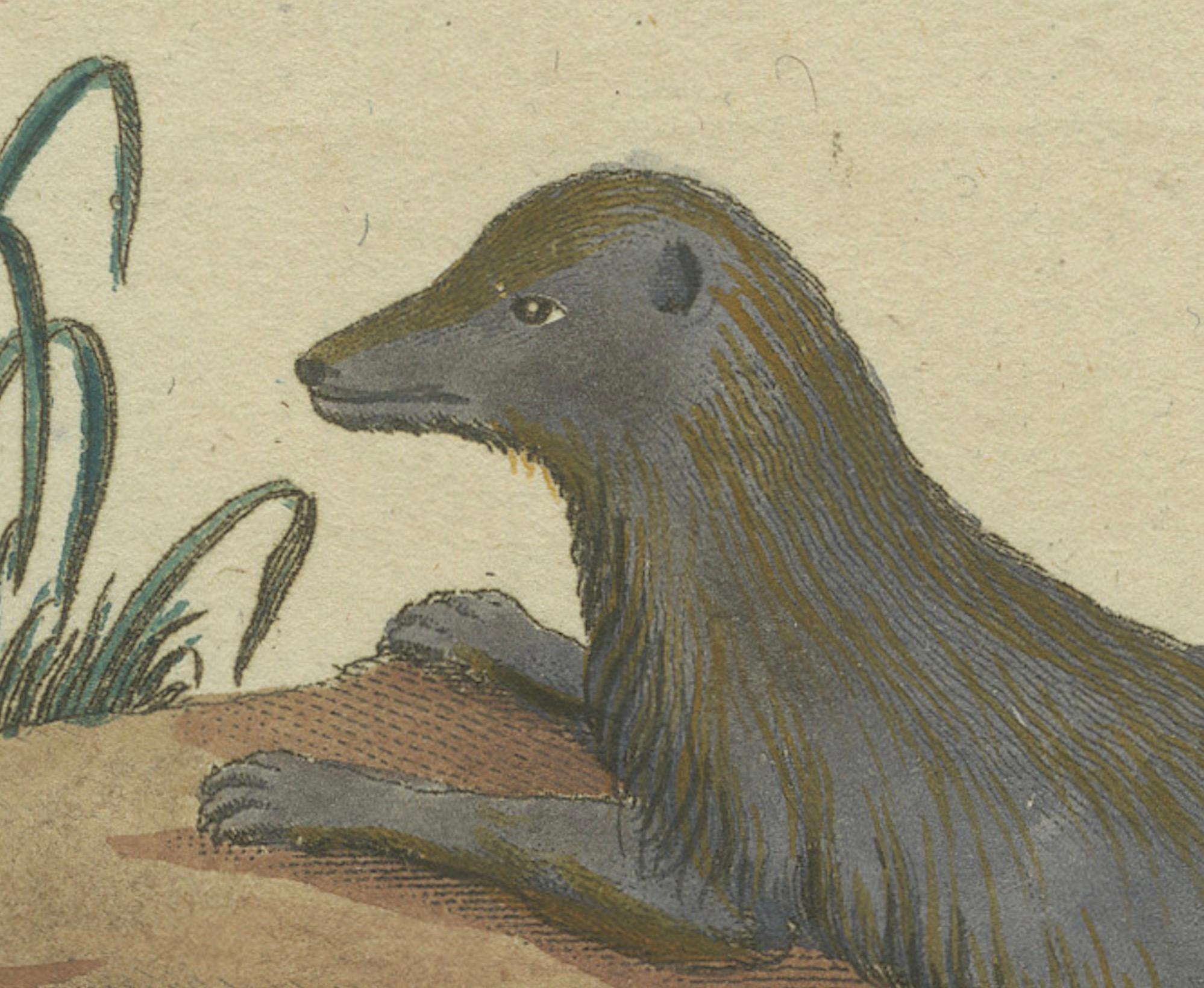
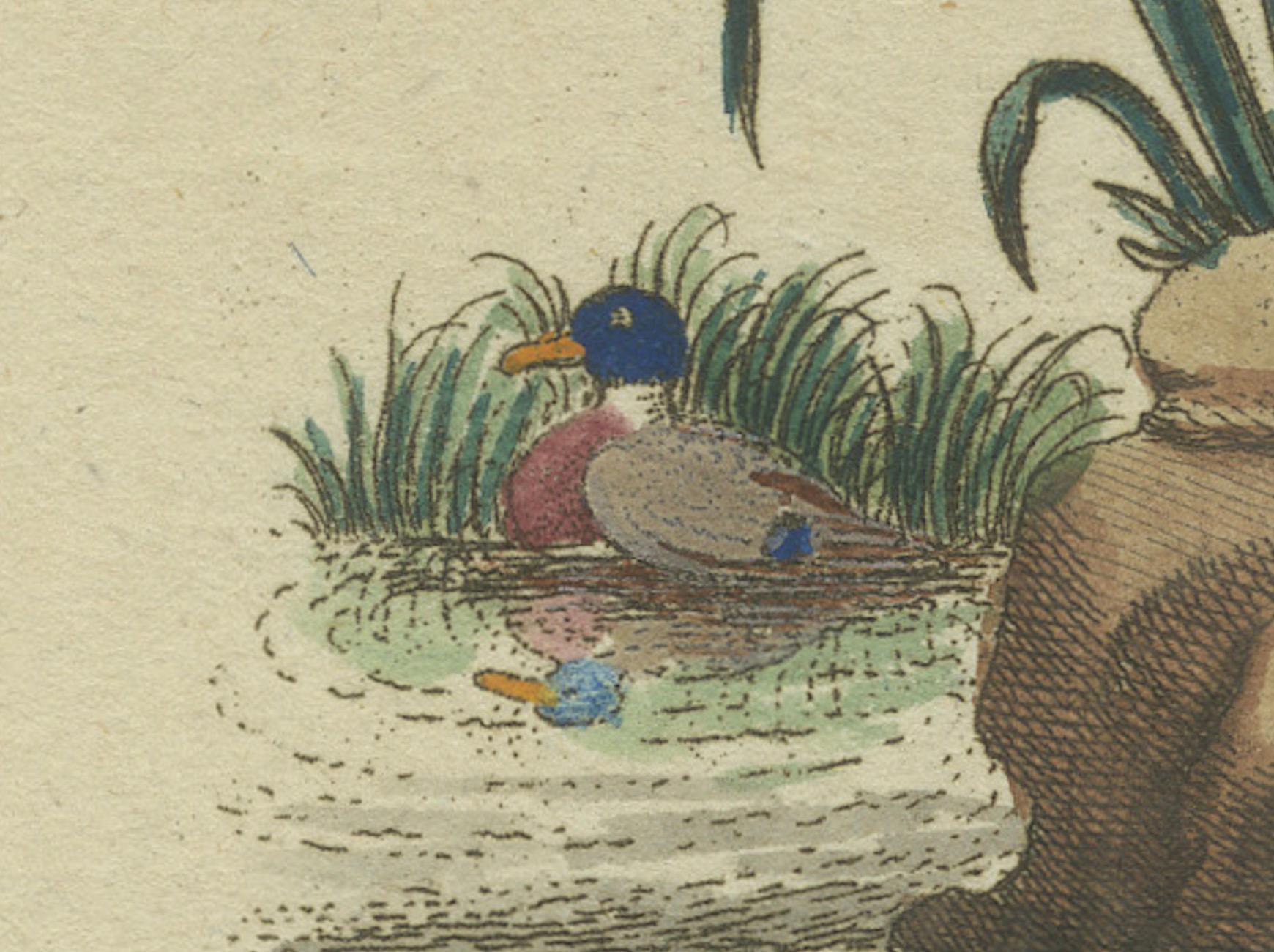
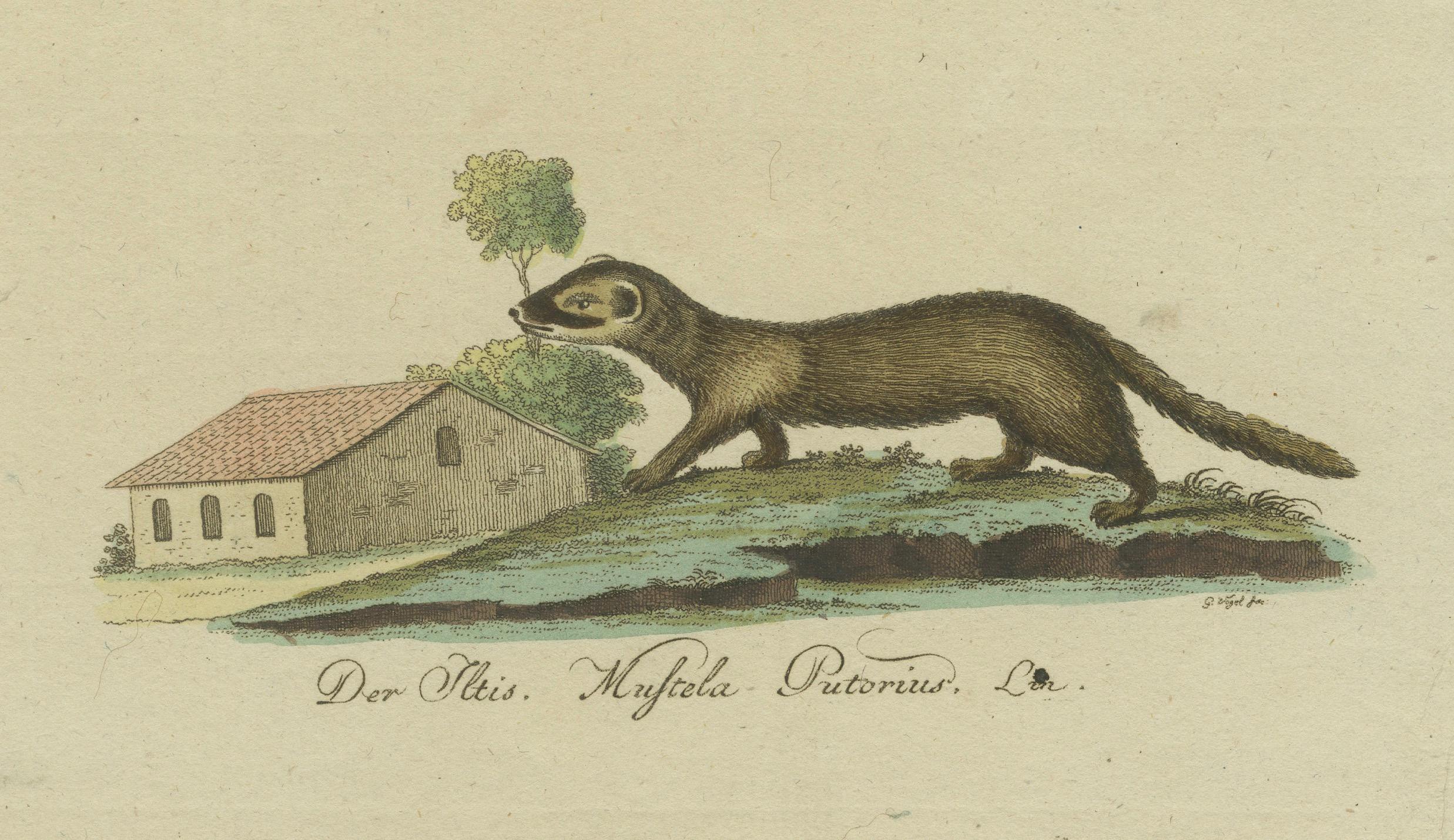
The European Pine Marten and the Polecat are meticulously illustrated, indicative of the 18th-century European approach to natural history documentation, where the goal was to depict creatures in detail for both scientific study and the educated public's fascination with the natural world. The hand-coloring technique adds a realistic touch to the engravings, making them both aesthetically pleasing and scientifically valuable.
More in detail:
The text in the image is in German, and it labels two different animals:
- **Top**: "Der Steinmarder: Canis Lutreola Linn." - This translates to "The European Pine Marten: Canis Lutreola Linn." It's worth noting that the scientific name is now outdated; the modern name for the European Pine Marten is Martes martes, not Canis lutreola, which is actually the European mink.
- **Bottom**: "Der Iltis: Mustela Putorius Linn." - This translates to "The Polecat: Mustela putorius Linn." The scientific name is correct and refers to a species of mustelid native to western Eurasia and North Africa.
Both of these animals are portrayed in a natural setting. The European Pine Marten is shown atop a rock with vegetation, possibly indicating its habitat in forested areas. The Polecat is depicted near a rural house, which may suggest its adaptability and occasional visits to human-inhabited areas for foraging.