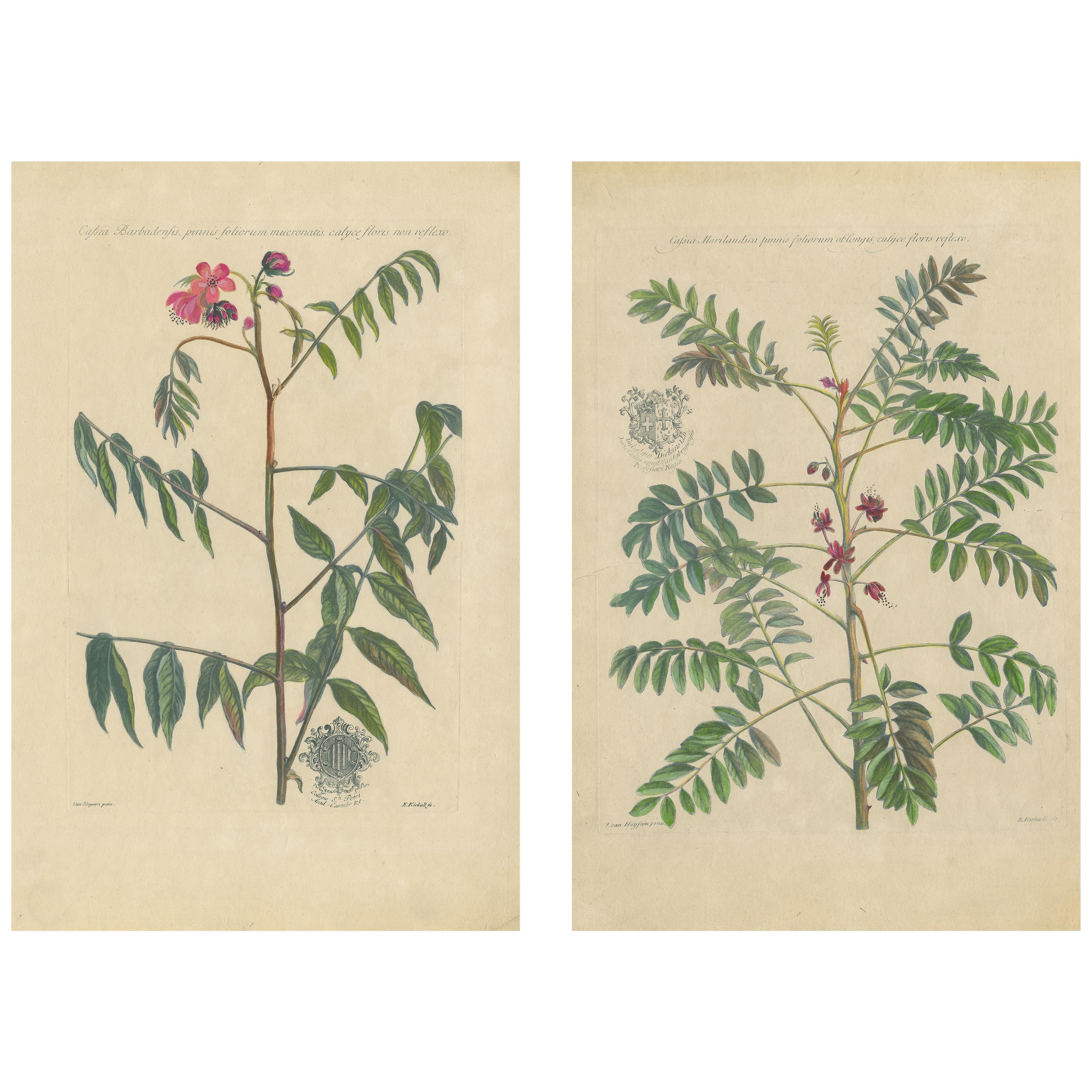
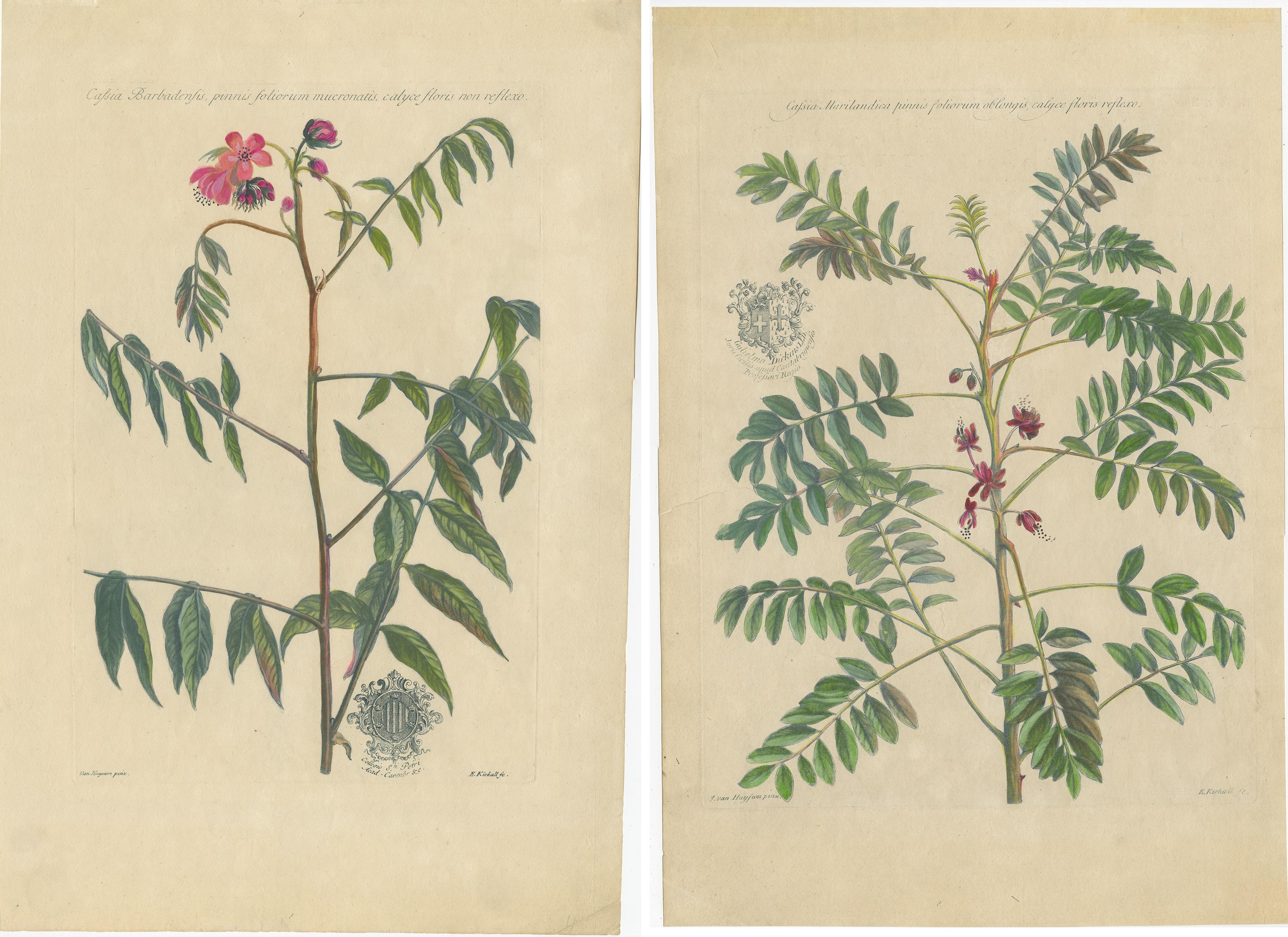
Set - Cassia Barbadensis & Marilandica – Botanical Prints by John Martyn c.1728
€ 500
One of a kind: this is the sheet in the photographs. Ships from Langweer, the Netherlands.
Date
1728
Technique
Engraved
Sheet size
51 × 34 cm (20.1 × 13.4 in)
Condition
Good
Reference
BG-12512-46 & BG-12512-62
Condition
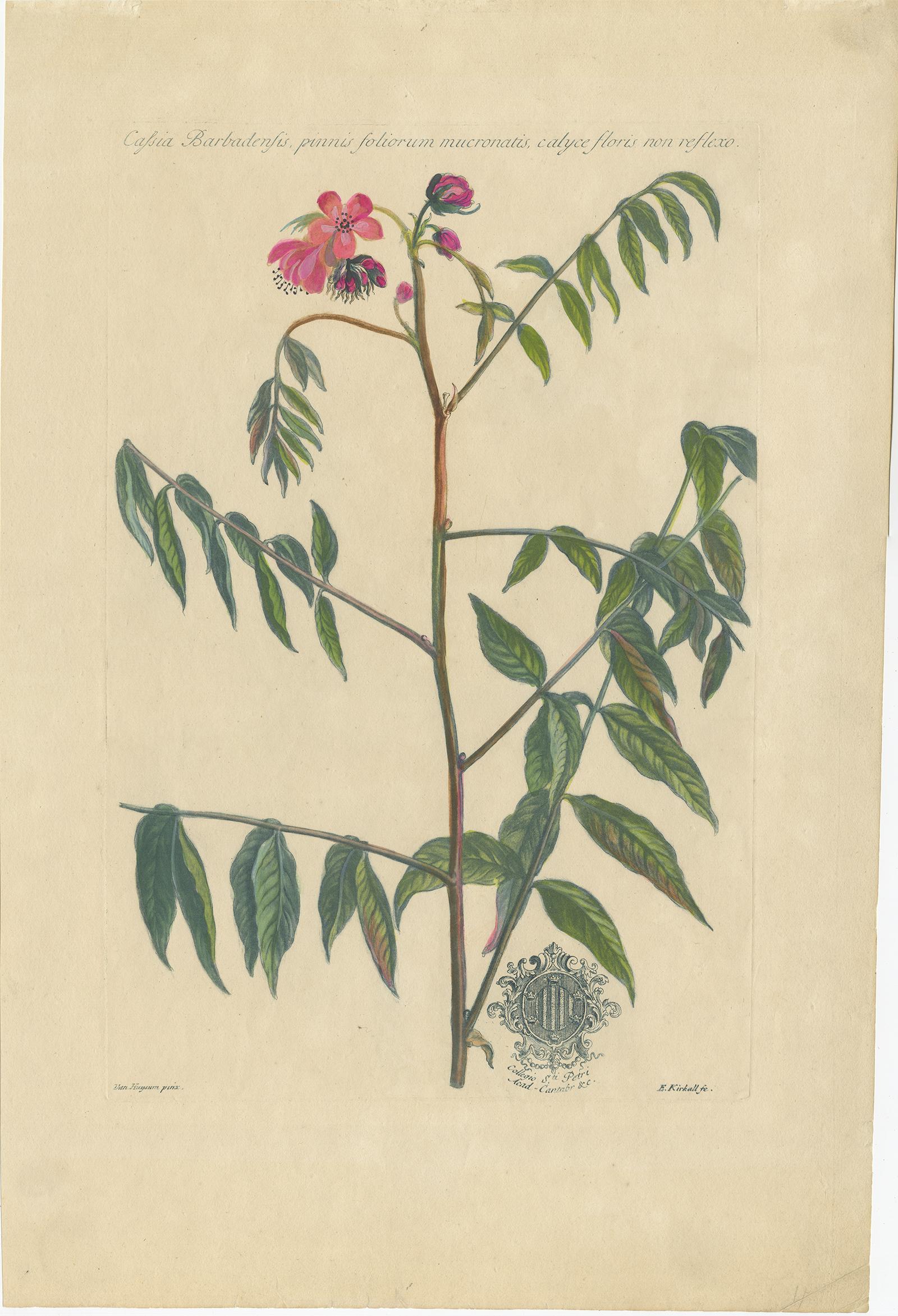
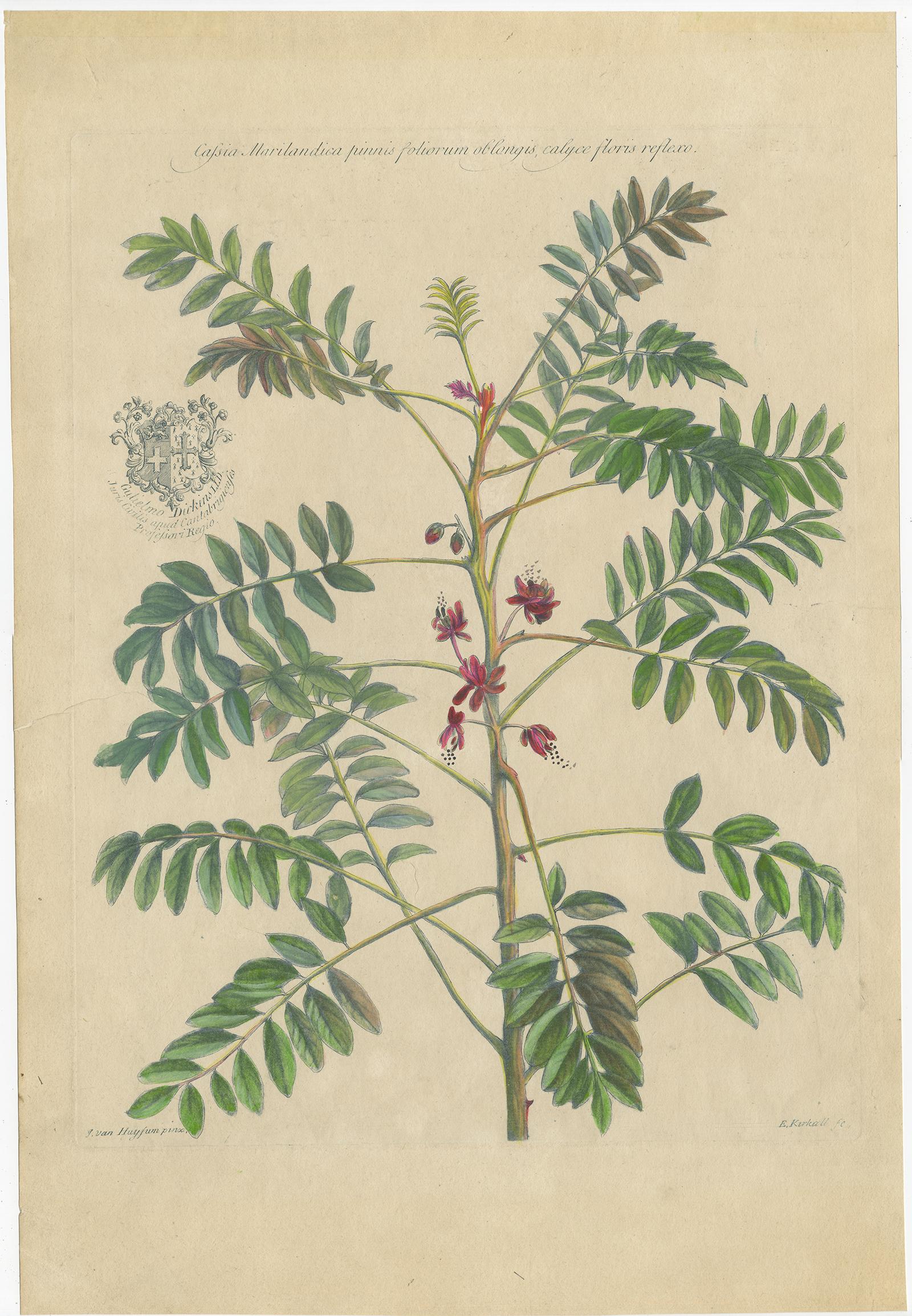
Good condition with strong impressions and fine hand colouring. Minor age-toning and no tears or repairs. A few creases can be seen on the paper. Paper remains stable and of high quality for its age.
About this sheet
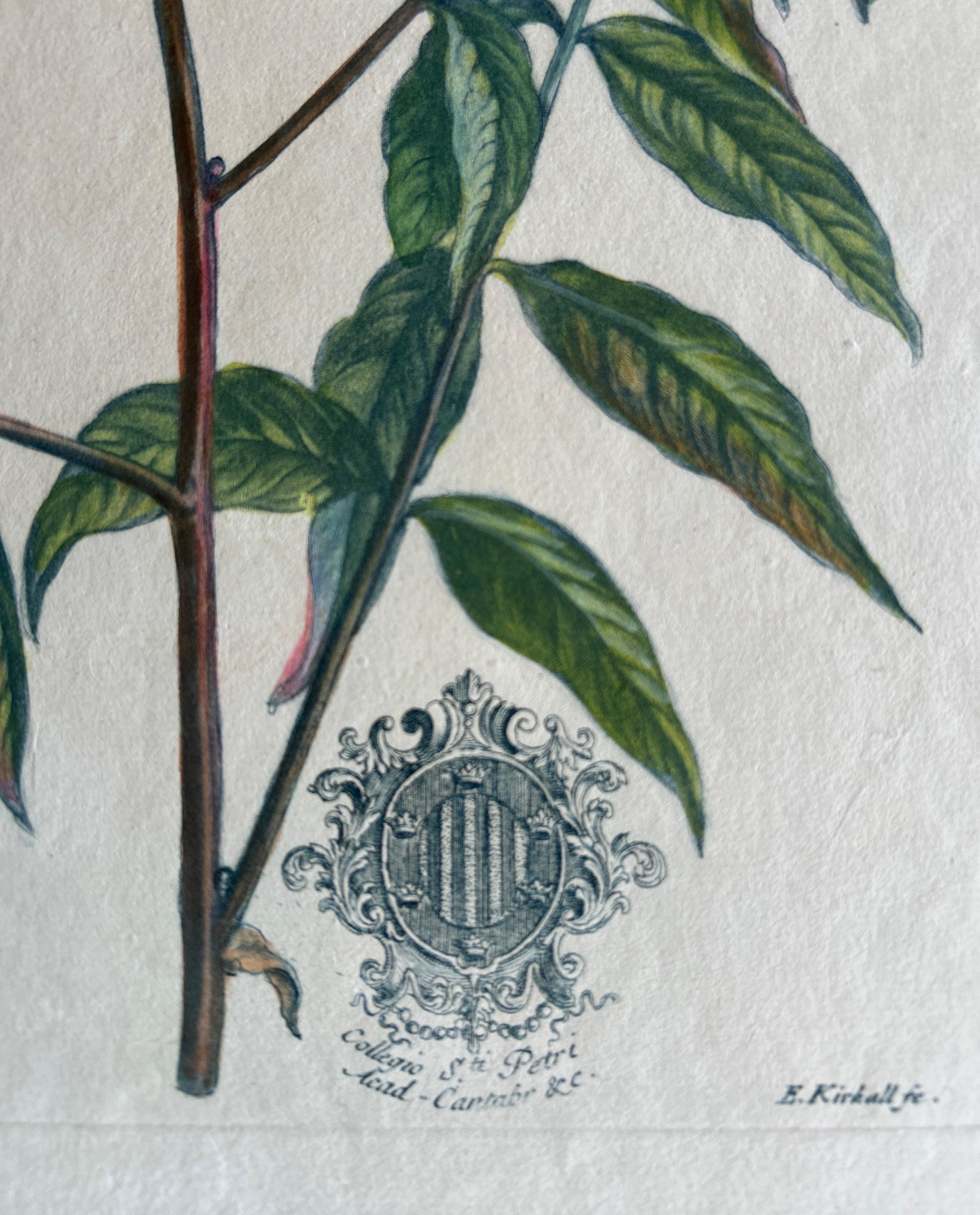
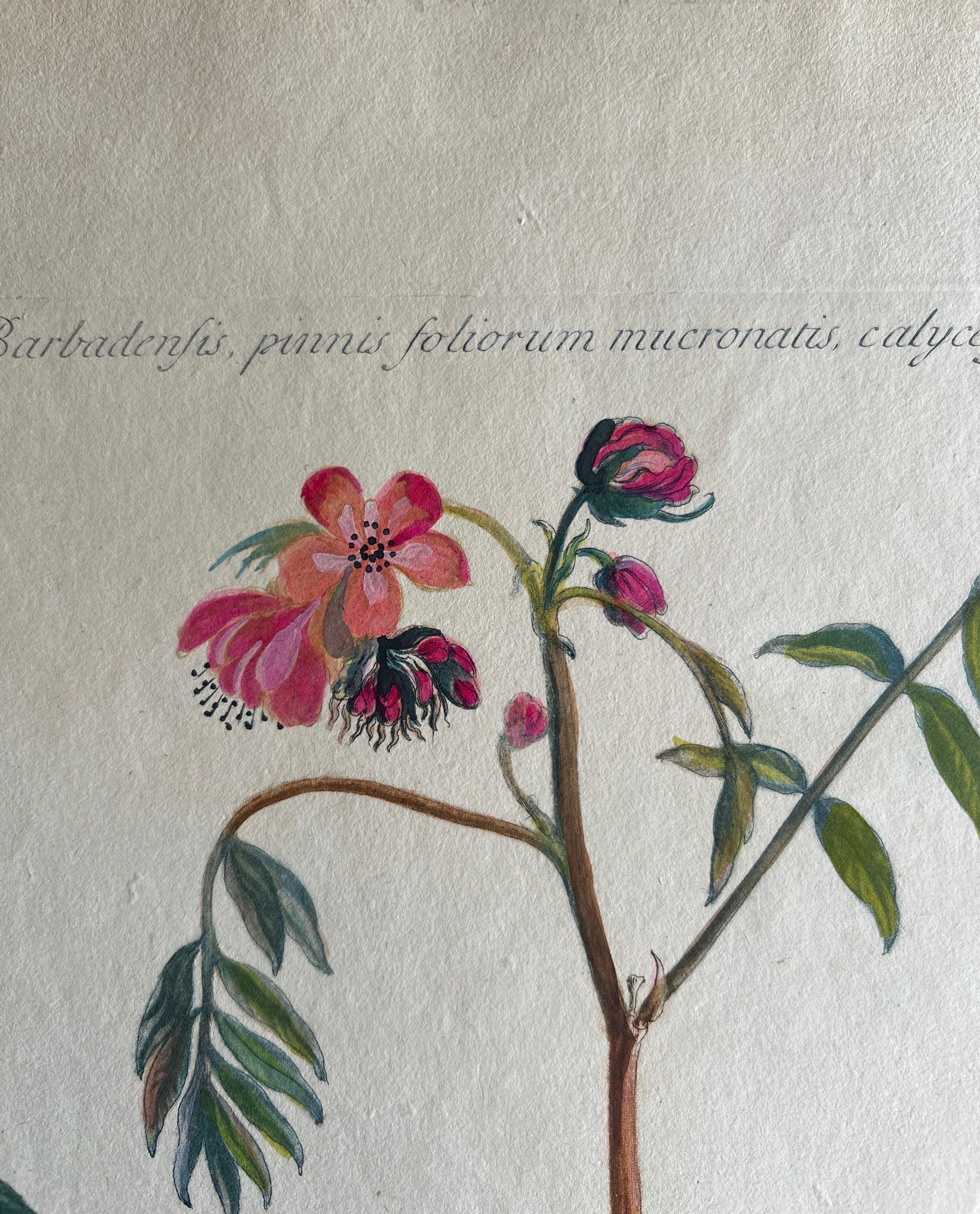
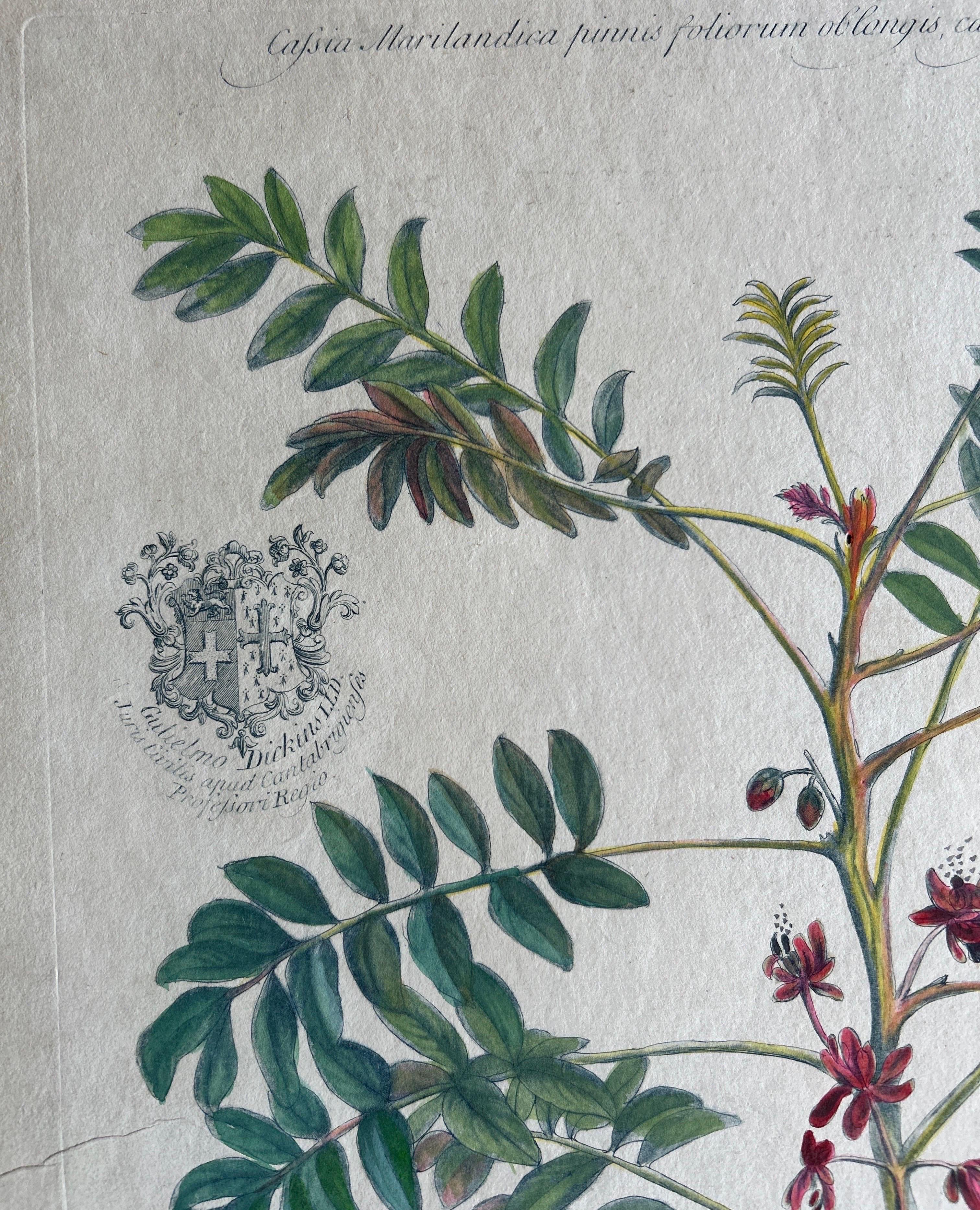
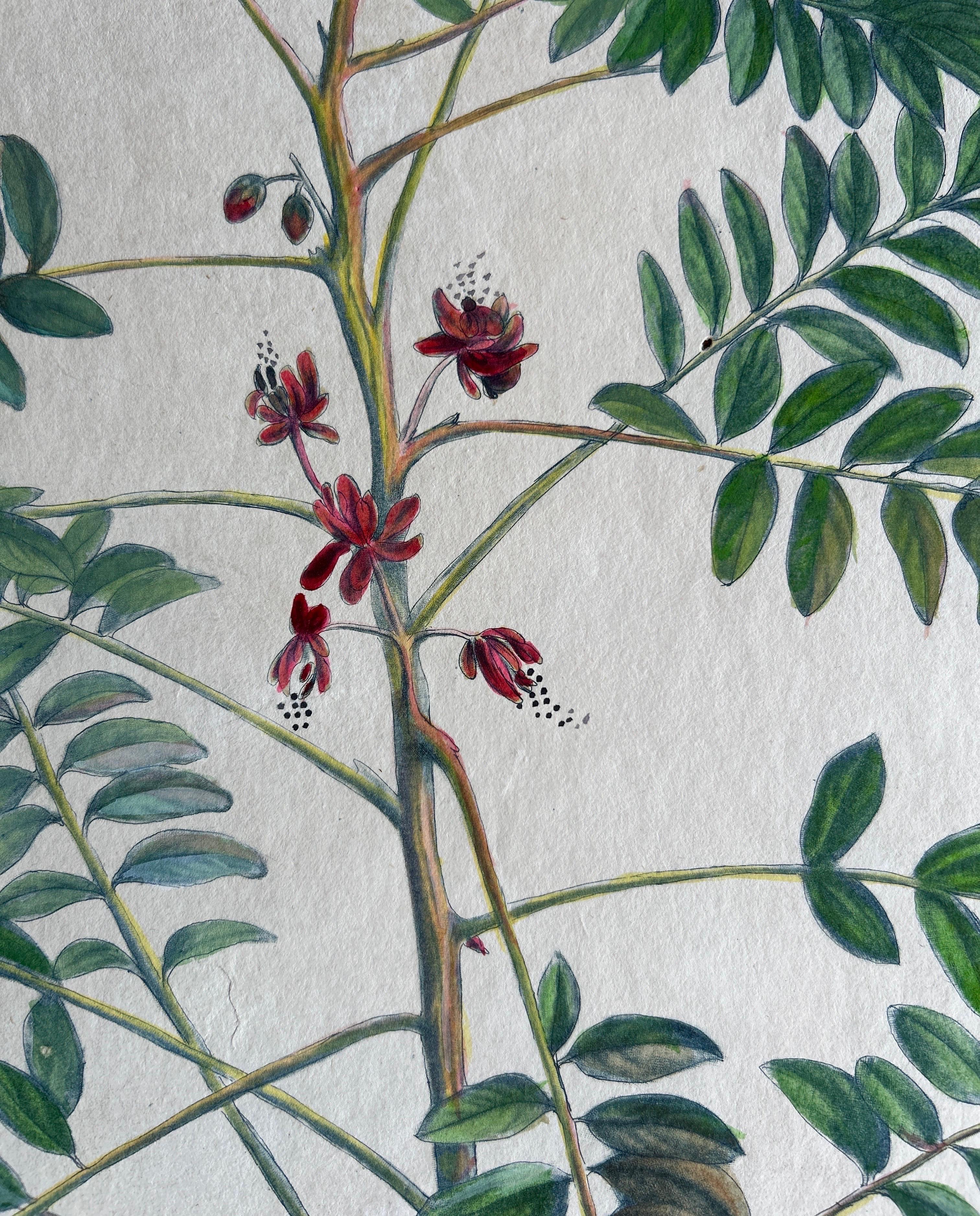
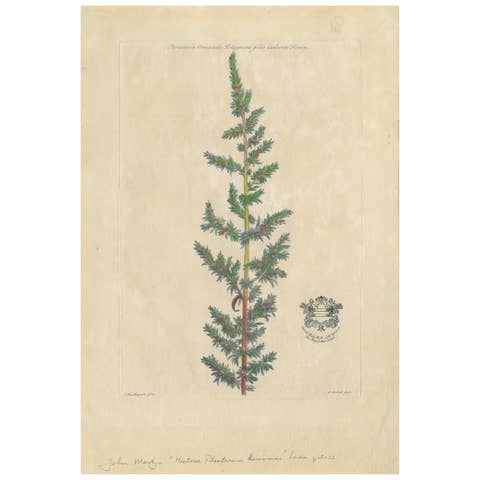
Cassia Barbadensis & Cassia Marilandica – Botanical Engravings by John Martyn c.1728
This set of two antique botanical prints features detailed depictions of Cassia barbadensis and Cassia marilandica, two species of flowering plants known for their medicinal properties and elegant foliage. Both plates showcase the plants in full, with delicately rendered leaves, branching stems, and finely coloured blossoms. Cassia barbadensis, native to the Caribbean, is shown with bright pink to magenta flowers and long, compound leaves. Cassia marilandica, commonly called American senna, is native to eastern North America and is depicted with soft yellow blooms and slender pinnate leaves.
These plates originate from Historia plantarum rariorum (History of Rare Plants), a monumental botanical work published by John Martyn between 1728 and 1737. Martyn was an English botanist and professor of botany at Cambridge, and his Historia was one of the most ambitious English botanical publications of the 18th century, aimed at documenting rare and exotic plant species from around the world. The plates were printed with remarkable precision and often hand-coloured, making each copy a unique and vibrant piece of botanical history.
The technique used is engraving, often enhanced with original hand-colouring. The engravings allowed for intricate linework, capturing minute botanical features essential for scientific study and aesthetic enjoyment alike. Many of the plates from this series were illustrated by leading botanical artists of the time, working in collaboration with Martyn.
Condition summary: Good condition with strong impressions and fine hand colouring. Minor age-toning and no tears or repairs. A few creases can be seen on the paper. Paper remains stable and of high quality for its age
Framing tips: Presenting these two plates as a pair works beautifully. Use matching cream or soft green mounts and classic gold, black, or dark wooden frames to emphasise their 18th-century elegance. UV-protective glass is strongly recommended to preserve the delicate colouring.