Scottish Primrose and Alpine Thyme hand coloured botanical print 1874
€ 140
One of a kind: this is the sheet in the photographs. Ships from Langweer, the Netherlands.
Date
1874
Sheet size
24.9 × 16.5 cm (9.8 × 6.5 in)
Condition
Good
Reference
BG-14055-16
Condition
Good condition with vibrant colours and light age toning at edges. Wrinkled on the right border, but outside the framing area.
About this sheet
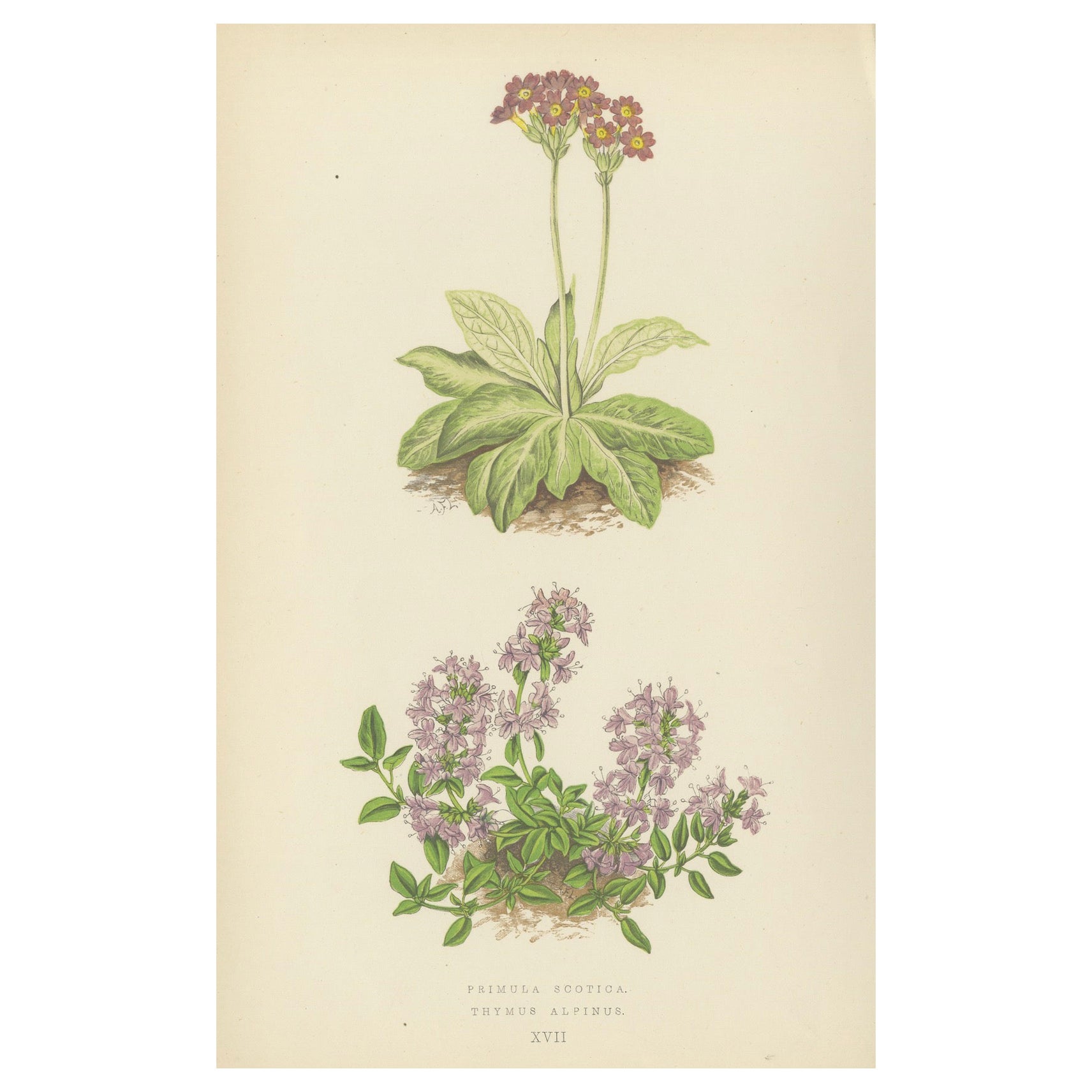
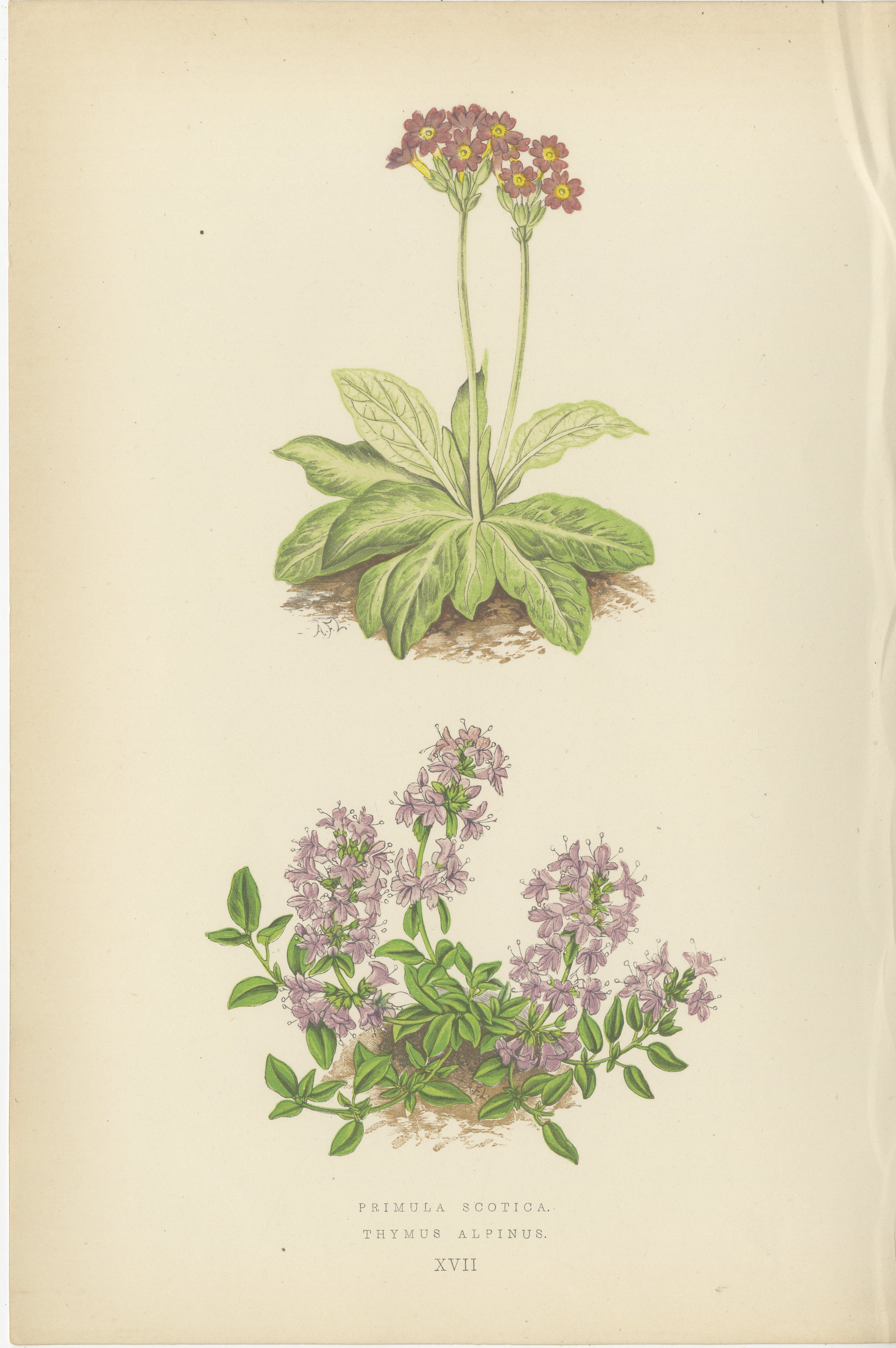
Scottish Primrose and Alpine Thyme hand coloured botanical print 1874
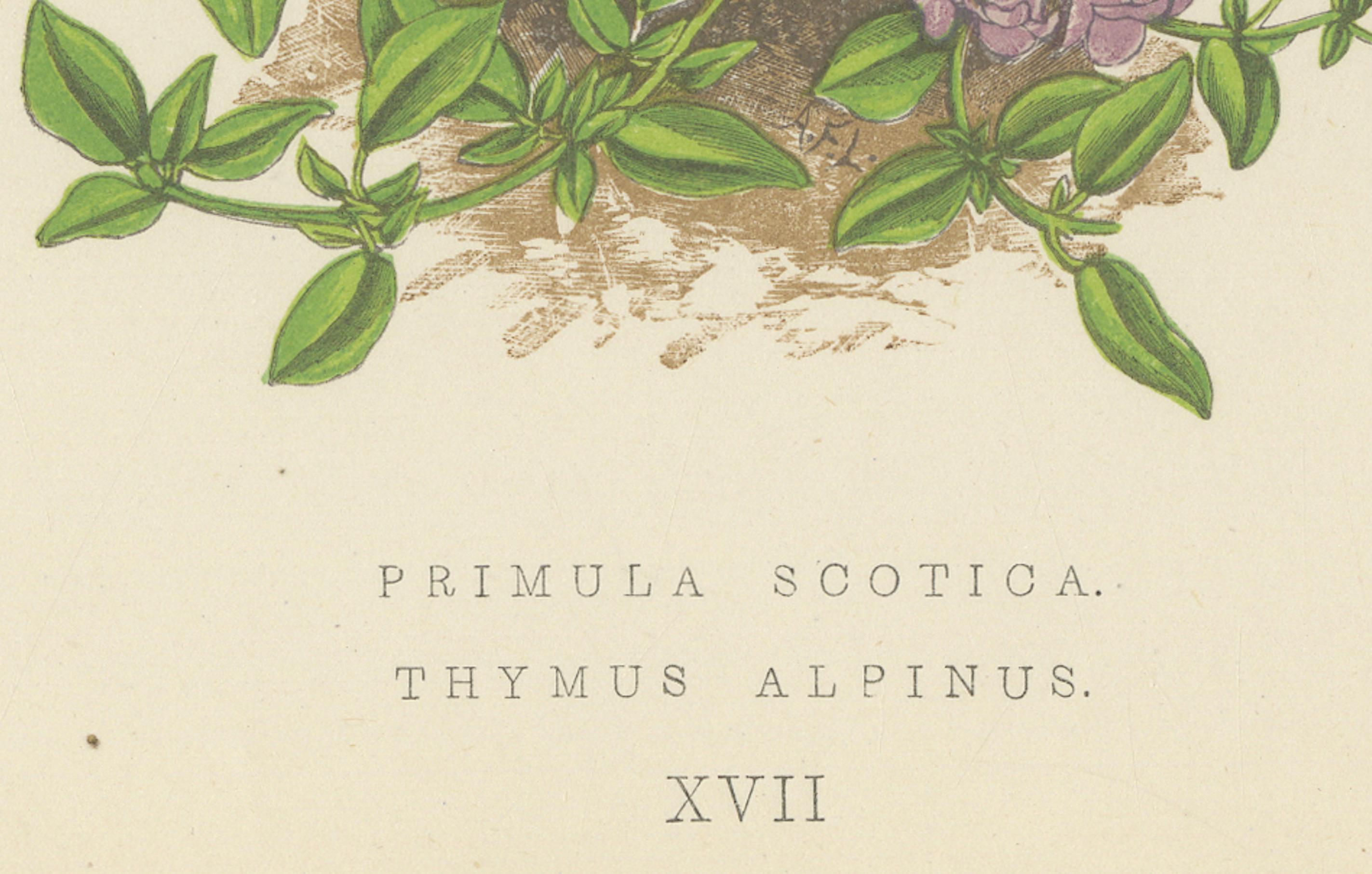
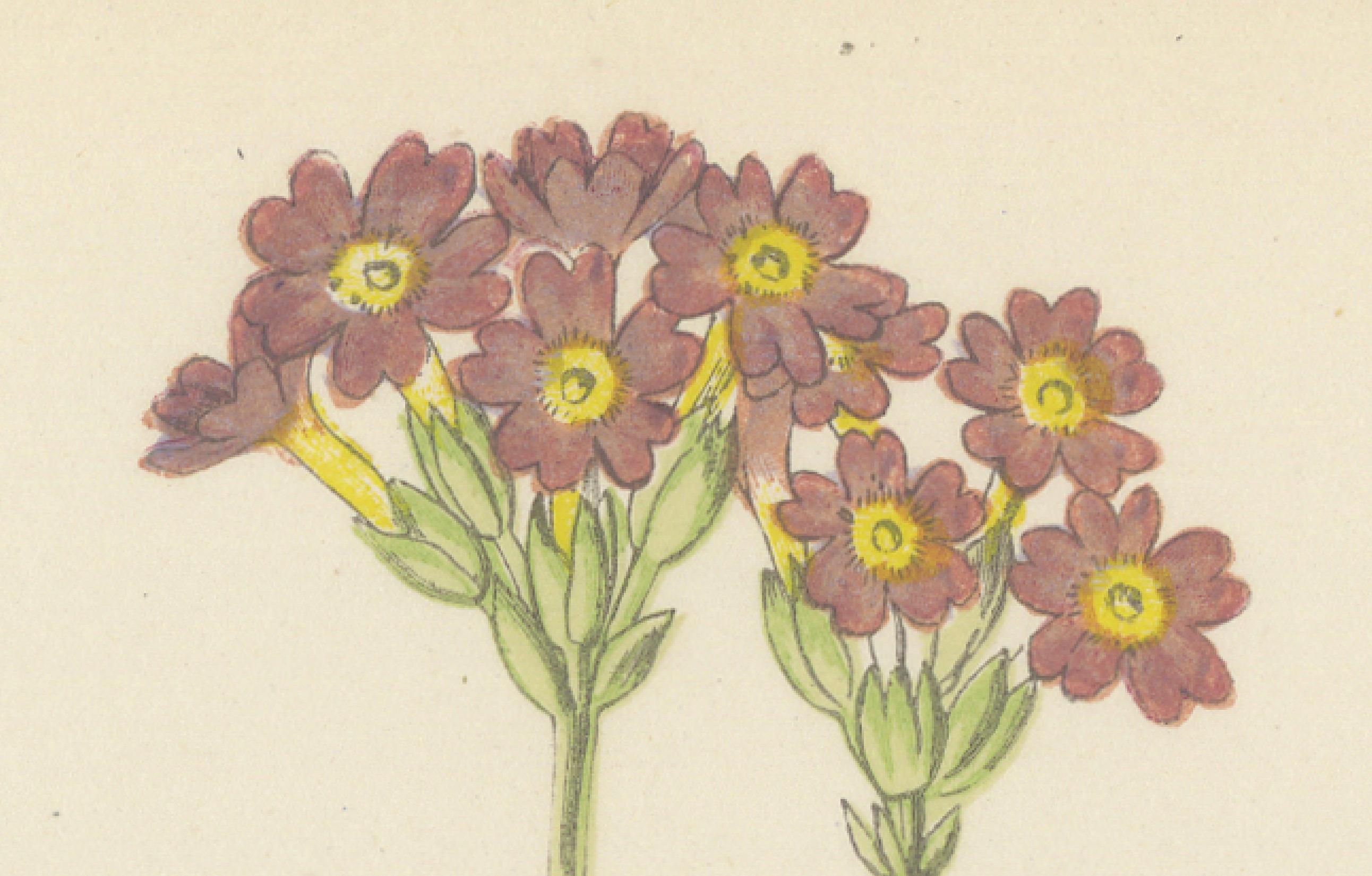
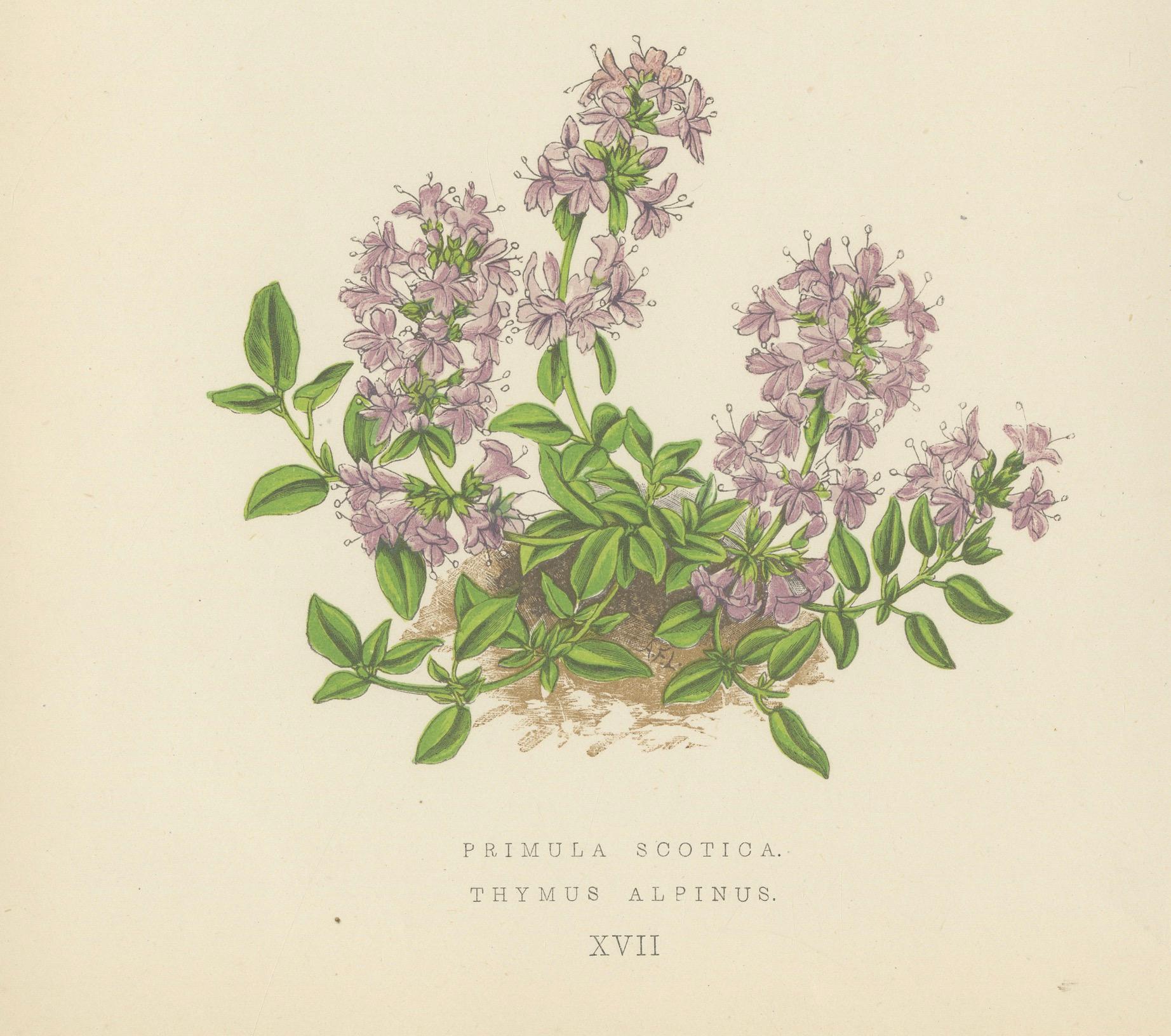
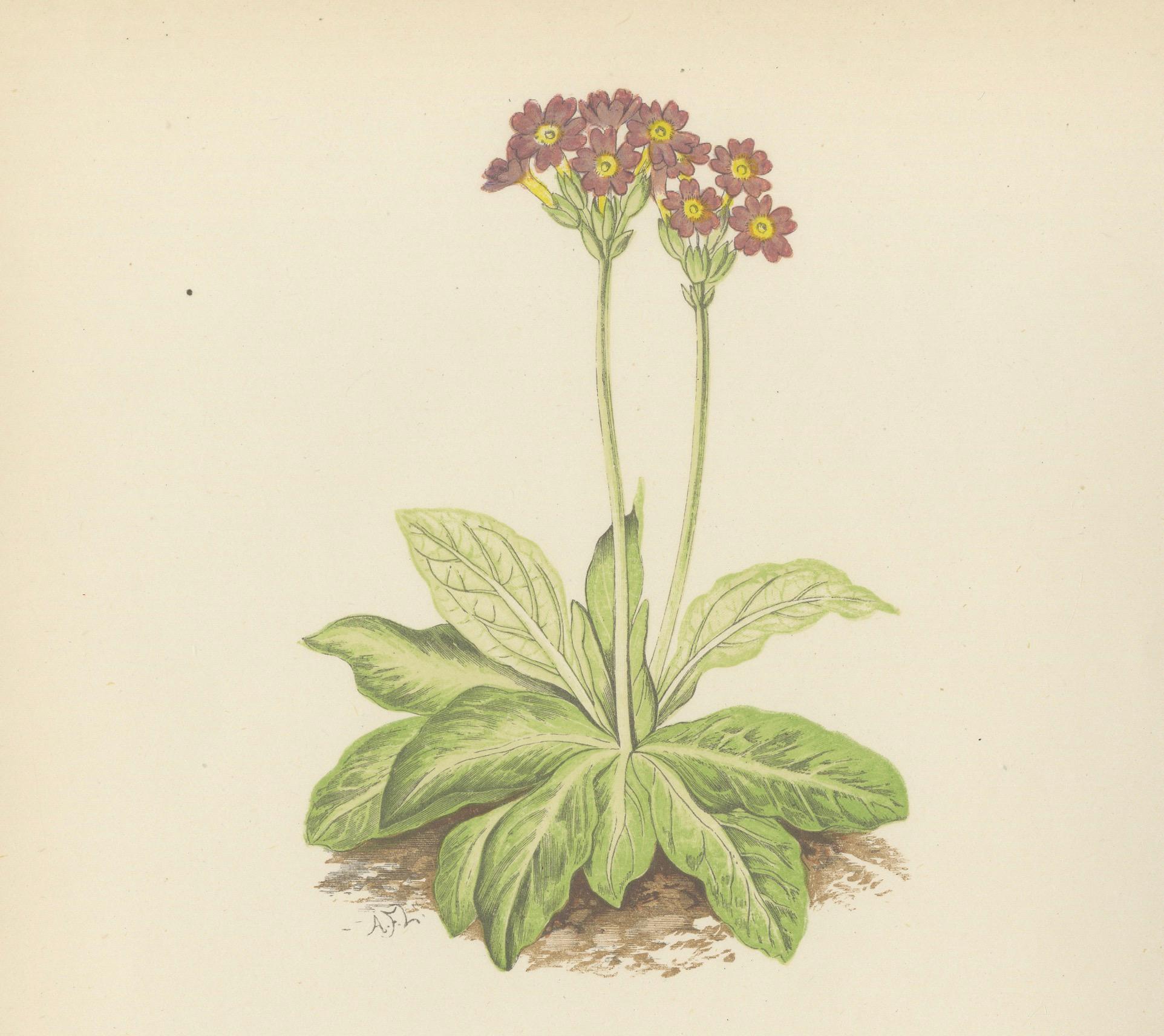
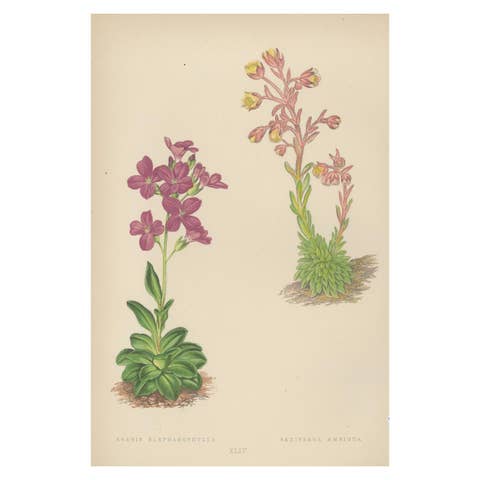
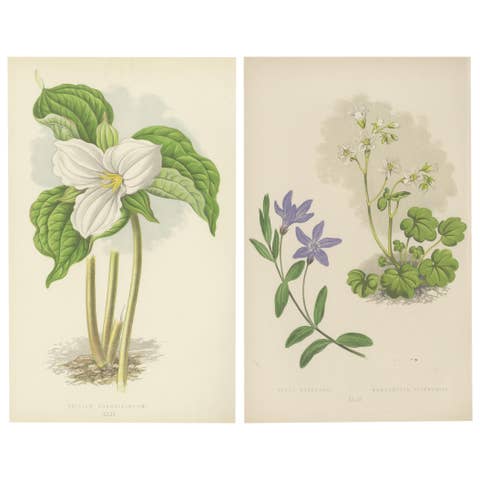
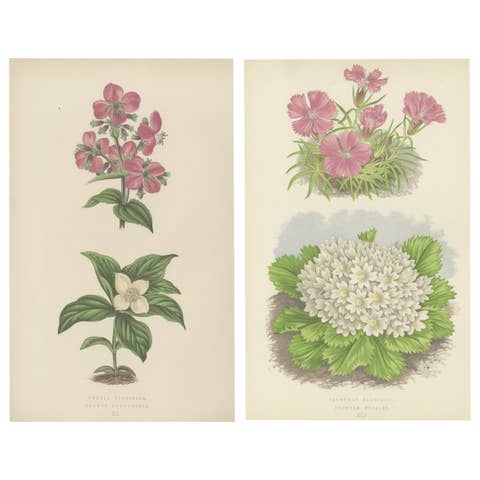
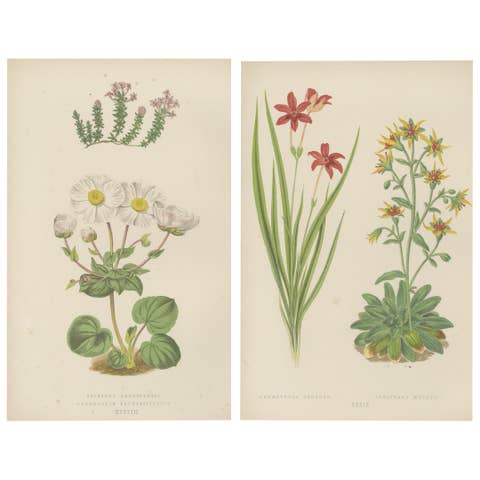
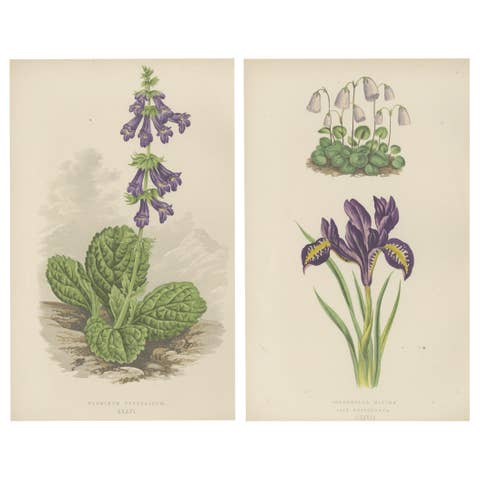
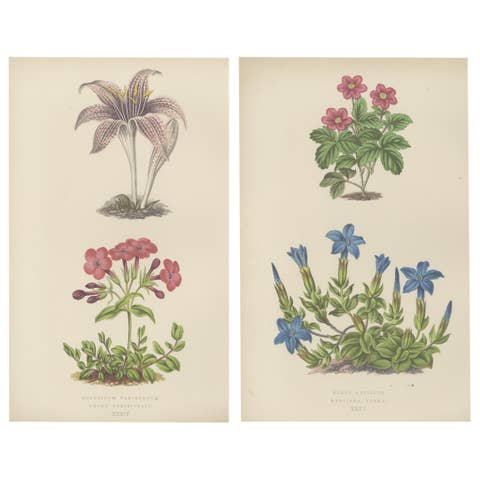
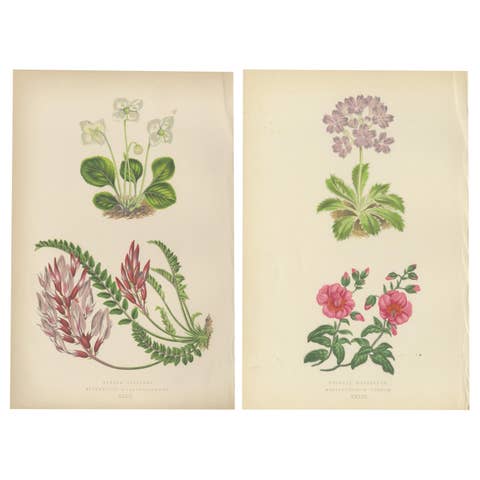
This beautifully hand coloured botanical print from 1874 features two alpine flowering plants, Primula scotica and Thymus alpinus. Published by George Bell and Sons in London as part of the second series of Alpine Plants, this fine lithograph showcases the careful observation and artistic sensitivity typical of Victorian botanical illustration.
At the top of the plate is Primula scotica, known as the Scottish Primrose. This rare and charming plant is native to the northern Scottish coastlines, where it blooms with small purple flowers marked by yellow eyes. It grows low to the ground, nestled in moss and grass, and thrives in cool, moist conditions. The illustration captures the delicate upright flower stalks rising above a neat rosette of crinkled green leaves, rendered with clarity and natural detail.
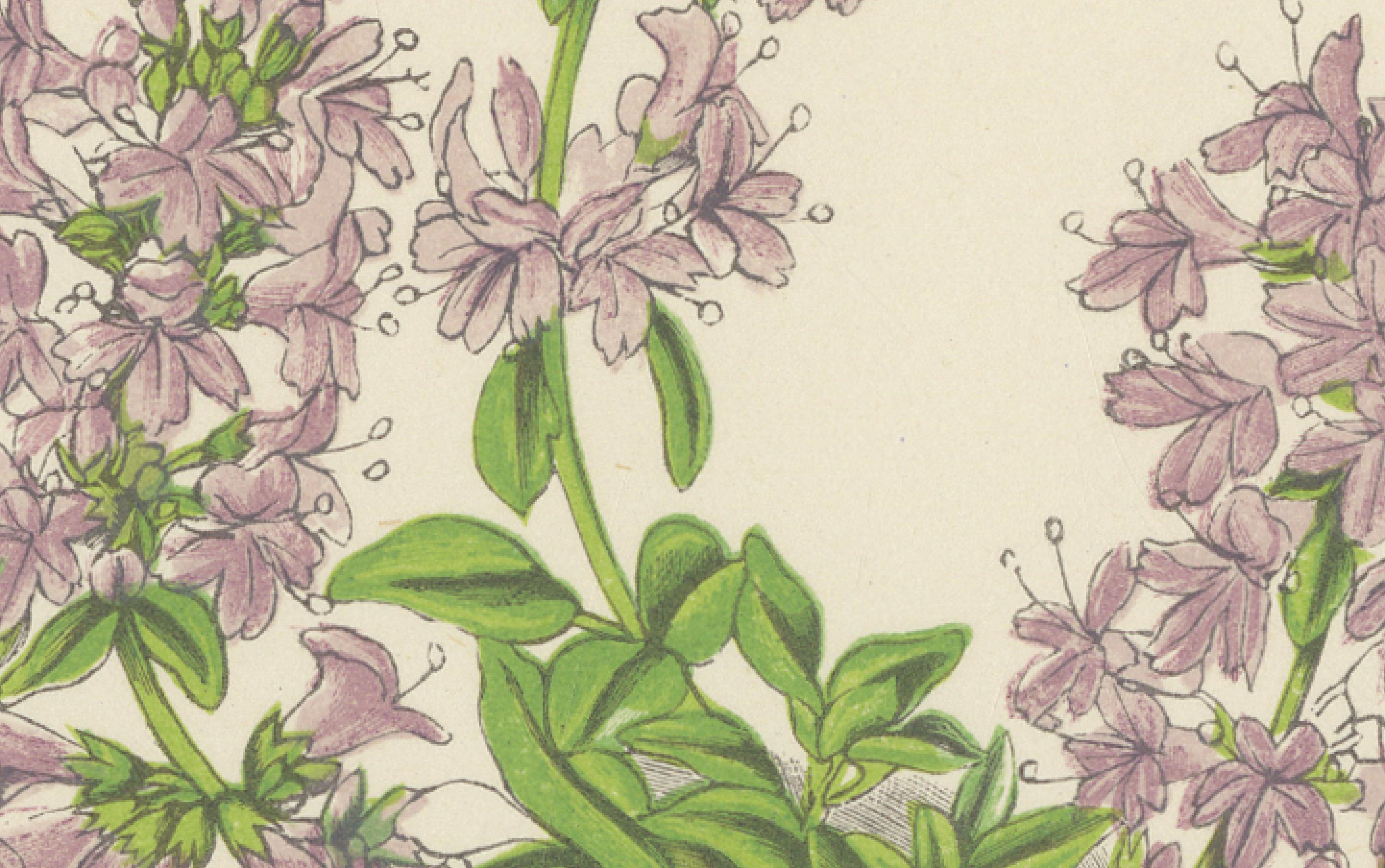
Below is Thymus alpinus, or Alpine Thyme, a fragrant perennial with low, spreading growth and small purple-pink flowers in dense rounded clusters. Common in rocky alpine areas across Europe, it is valued both for its culinary uses and ornamental qualities. The print shows the fine texture of the thyme’s foliage and the profusion of its blossoms with great precision.
Each print in the Alpine Plants series was first lithographed and then hand coloured, making every example slightly unique. The paper is thick and lightly toned with time, with wide margins that enhance its suitability for framing. Colours remain strong and well preserved, especially the contrast between the purple blooms and the fresh green foliage.
This antique botanical print is ideal for framing and display in a garden room, study or natural history setting. It also makes a thoughtful gift for collectors or lovers of rare plants.
Condition summary and framing tips: Very good condition with clear colours and minor toning near the edges. Best suited to a pale cream or sage green mat and a medium oak or brushed silver frame to complement the soft tones of the flowers and maintain a natural botanical look.