About this sheet
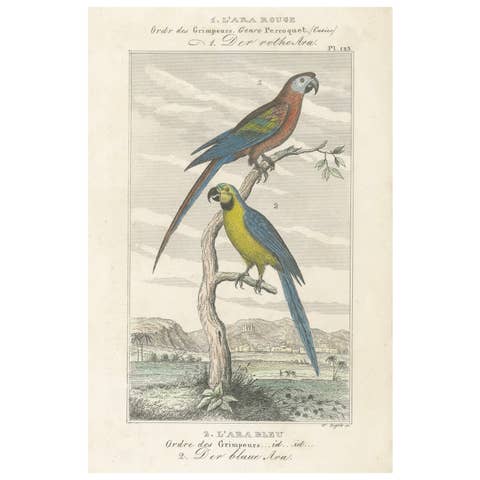
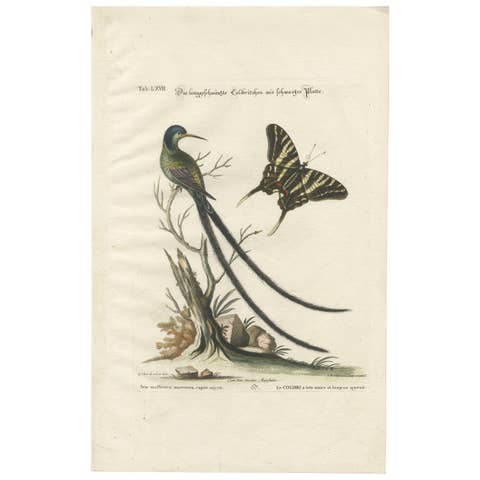
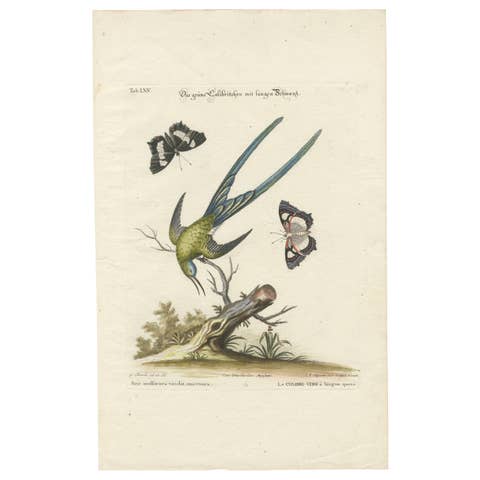
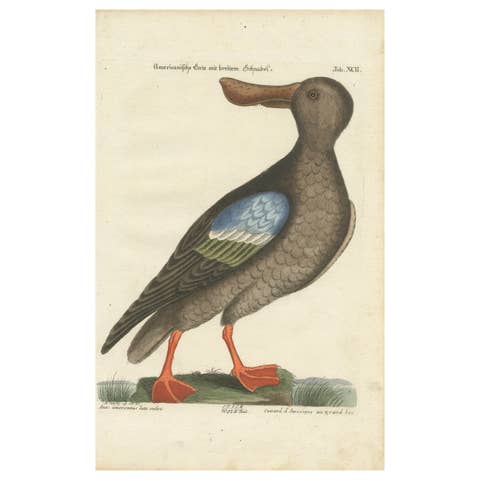
These prints belong to an era when scientific expeditions were beginning to bring back exotic species from distant lands, inspiring a surge of interest in documenting and classifying them. The engravings are from Johann Michael Seligmann's *Sammlung verschiedener ausländischer und seltener Vögel* (Collection of Various Foreign and Rare Birds), a key work in the field of ornithology during the 18th century.
Historical Context:
1. Johann Michael Seligmann (1720-1762):
Seligmann was a German engraver and publisher from Nuremberg, a city known for its role in scientific and artistic publishing during the Enlightenment. His engravings were often made after the works of other prominent naturalists and artists, especially those from Britain and France, which were at the forefront of scientific discovery at the time.
2. George Edwards (1694-1773):
These particular bird illustrations are after the works of George Edwards, an eminent British naturalist and ornithologist often referred to as the "father of British ornithology." Edwards published *A Natural History of Uncommon Birds* between 1743 and 1751, and its subsequent supplements were extremely influential. The German edition, in which Seligmann was involved, expanded on Edwards’ work and introduced these birds to a continental European audience.
3. Birds of Paradise in Natural History:
Birds of Paradise, native to New Guinea and nearby islands, have fascinated European naturalists since the 16th century. They were often brought back by explorers, but only as skins or stuffed specimens, leading to many myths about these birds. It was believed they had no legs and remained aloft their entire lives, hence the name "paradise bird" for their presumed otherworldly nature. By the time of these prints, more accurate representations were emerging, and artists like Edwards and Seligmann played a crucial role in disseminating realistic depictions.
4. Style and Technique:
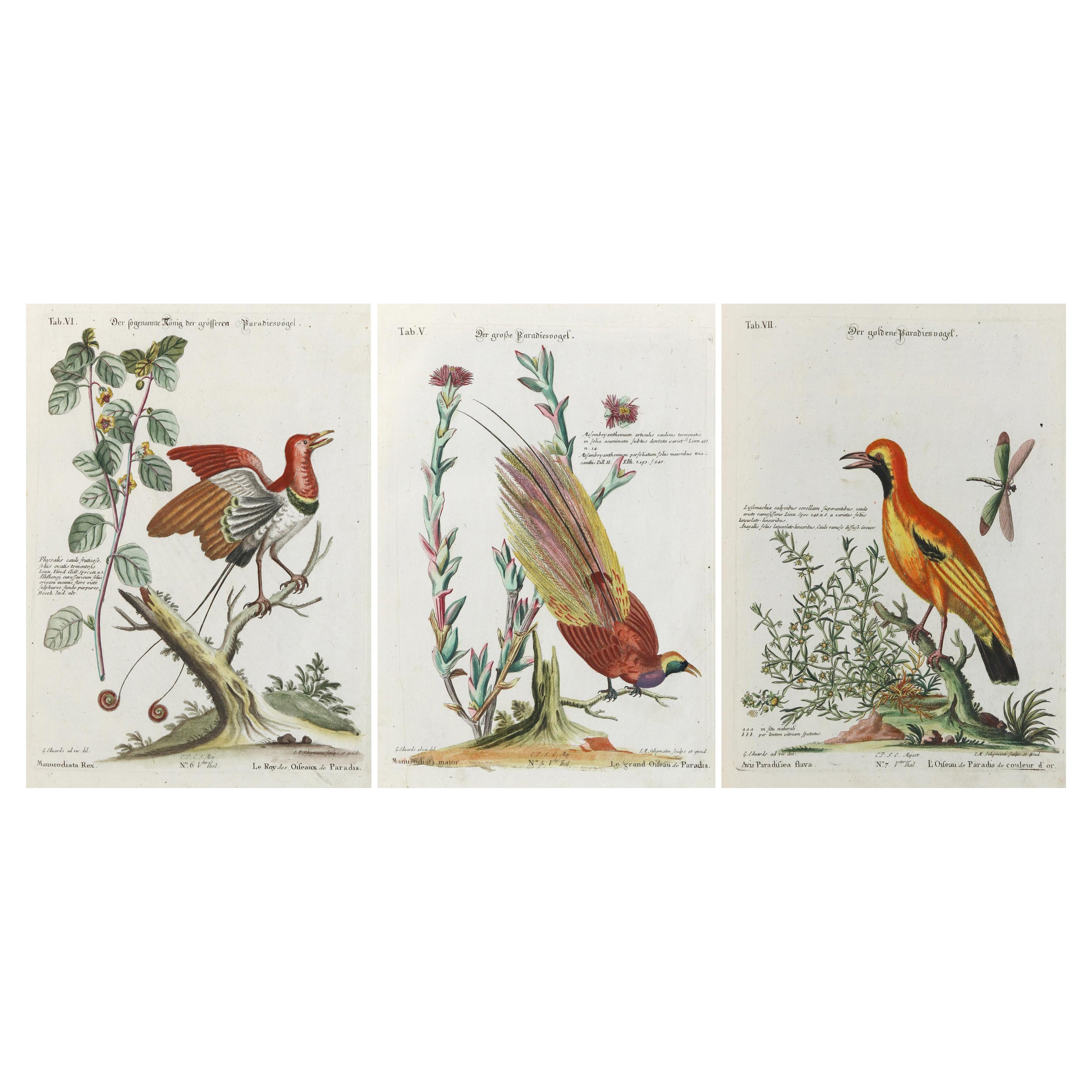
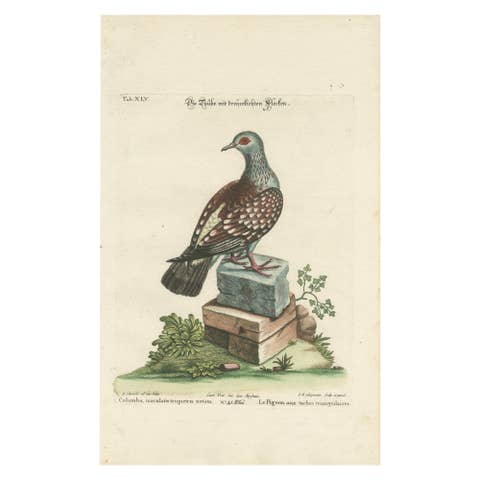
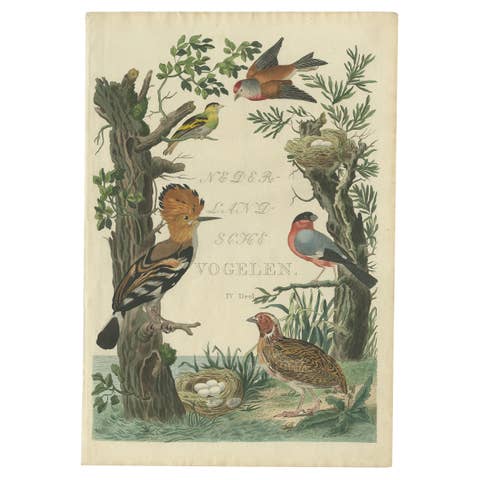
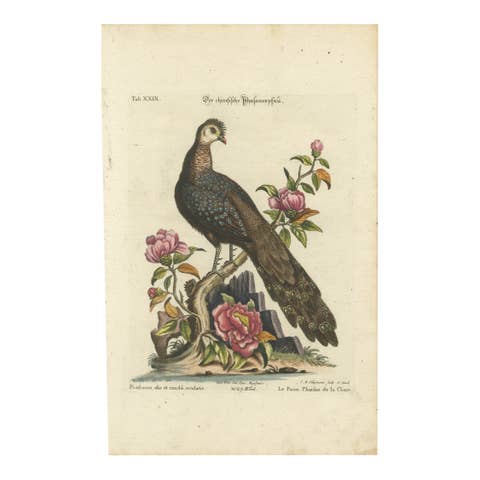
These are 'altkolorierte Kupferstiche' or "old-colored copper engravings," a technique wherein the prints were colored by hand after they were engraved. Copper engraving was a meticulous process where an artist would incise a design into a copper plate, which was then inked and pressed onto paper to create the print. Afterward, skilled colorists would hand-tint the prints, as seen here with the vibrant reds, yellows, and greens of the birds.
5. Publication:
Seligmann's collection, published between 1749 and 1776, is significant because it combined Edwards’ groundbreaking ornithological studies with other sources, including the works of Mark Catesby and others. It helped broaden the scope of ornithological knowledge in Europe and added a German perspective to a primarily English and French-dominated field.
Individual Birds Depicted:
1. "Der sogenannte König der größeren Paradiesvögel" (King of the Greater Birds of Paradise):
This species is likely based on the *Paradisaea apoda* or Greater Bird of Paradise, which is famous for its bright plumage and impressive courtship displays. It was among the first to be described and became an icon of exoticism in European natural history.
2. "Der große Paradiesvogel" (The Great Bird of Paradise):
This bird features the extravagant feathers typical of the species, which play an essential role in their mating rituals. Artists and naturalists were often captivated by their long flowing feathers and striking appearance, making them a popular subject in natural history collections.
3. "Der goldene Paradiesvogel" (The Golden Bird of Paradise):
This bird might correspond to the *Lesser Bird of Paradise* or a similar species, known for its bright yellow and red colors. The print includes both the bird and surrounding flora, showcasing the connection between animals and their habitats, a hallmark of Enlightenment-era natural history illustrations.
Importance:
Seligmann's work reflects a broader European enthusiasm for understanding the natural world, which coincided with the Age of Enlightenment. These prints are both scientific documents and artistic masterpieces, bridging the gap between science and art. The exotic nature of the Birds of Paradise, their distant habitats, and their unfamiliar behaviors made them highly coveted subjects for European naturalists and collectors. Additionally, these prints contributed to the growing field of taxonomy, helping to classify and name the immense diversity of species being discovered in the 18th century.
### 1. **Printing Techniques in 18th-Century Natural History Engravings**:
During the 18th century, the art of natural history illustration reached new heights due to advancements in both printing technology and the growing scientific curiosity that characterized the Enlightenment. The method used in the prints you shared—hand-colored copper engravings—was a standard technique employed for high-quality, detailed illustrations, especially in natural history.
#### Copper Engraving Process...