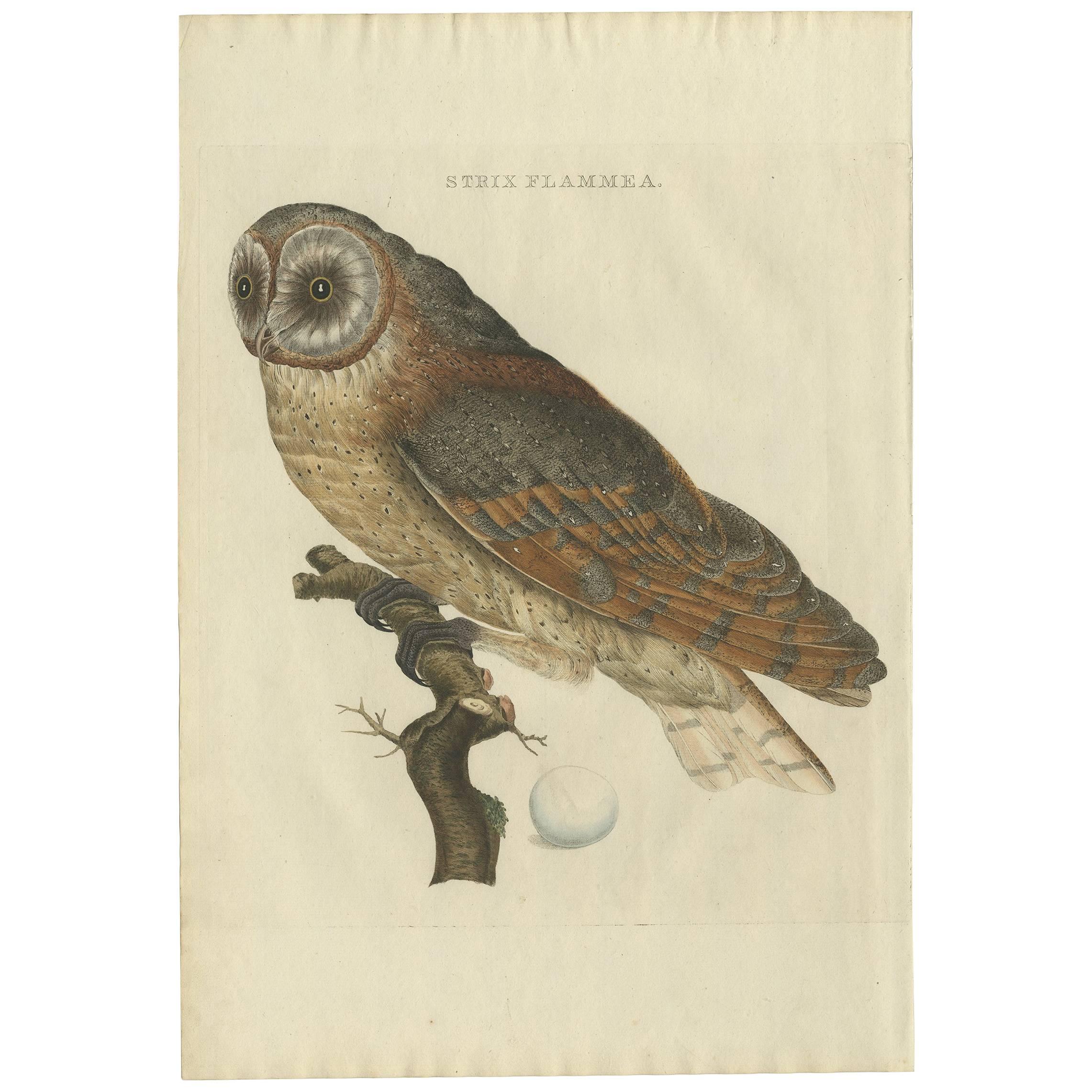
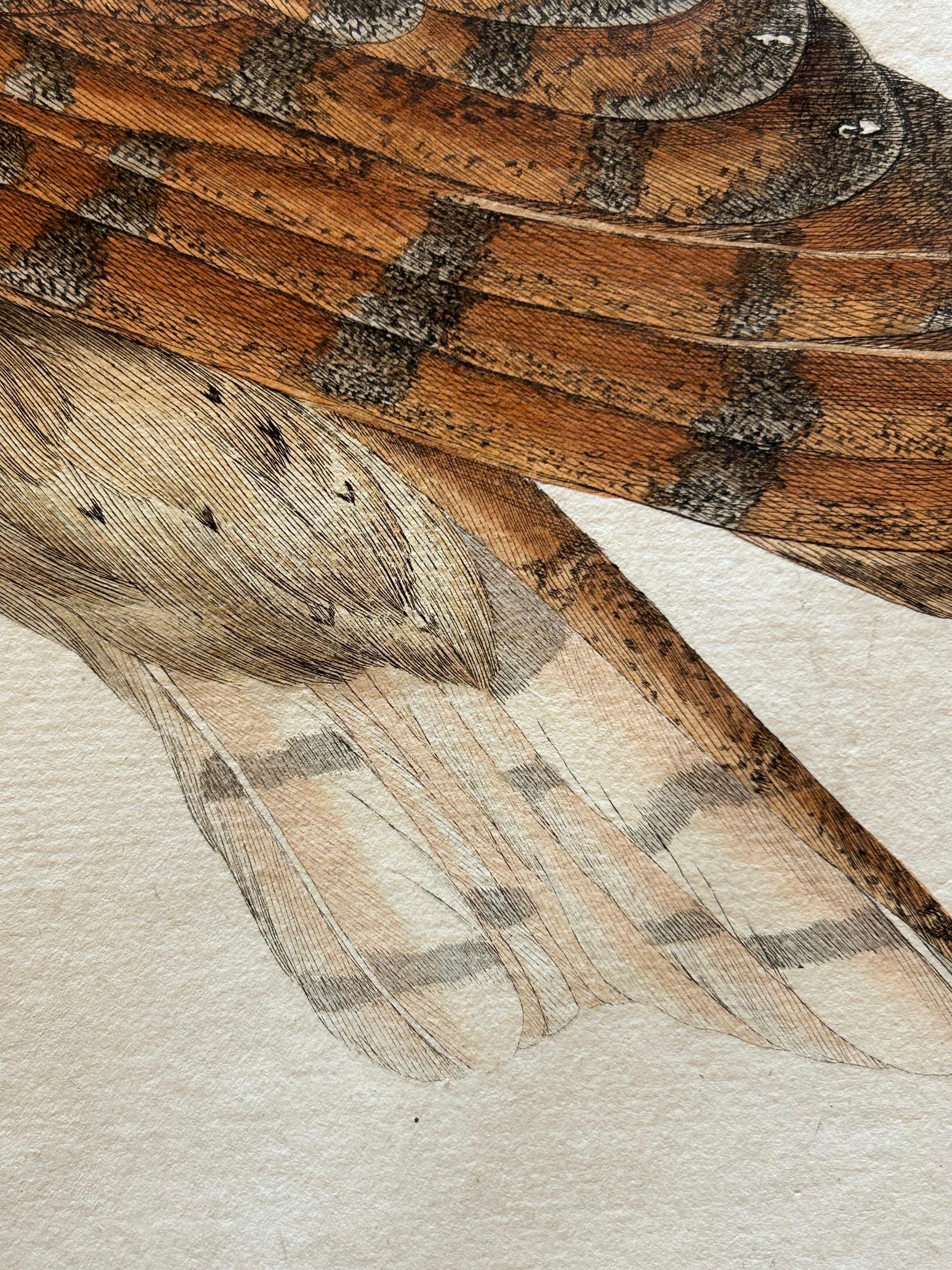
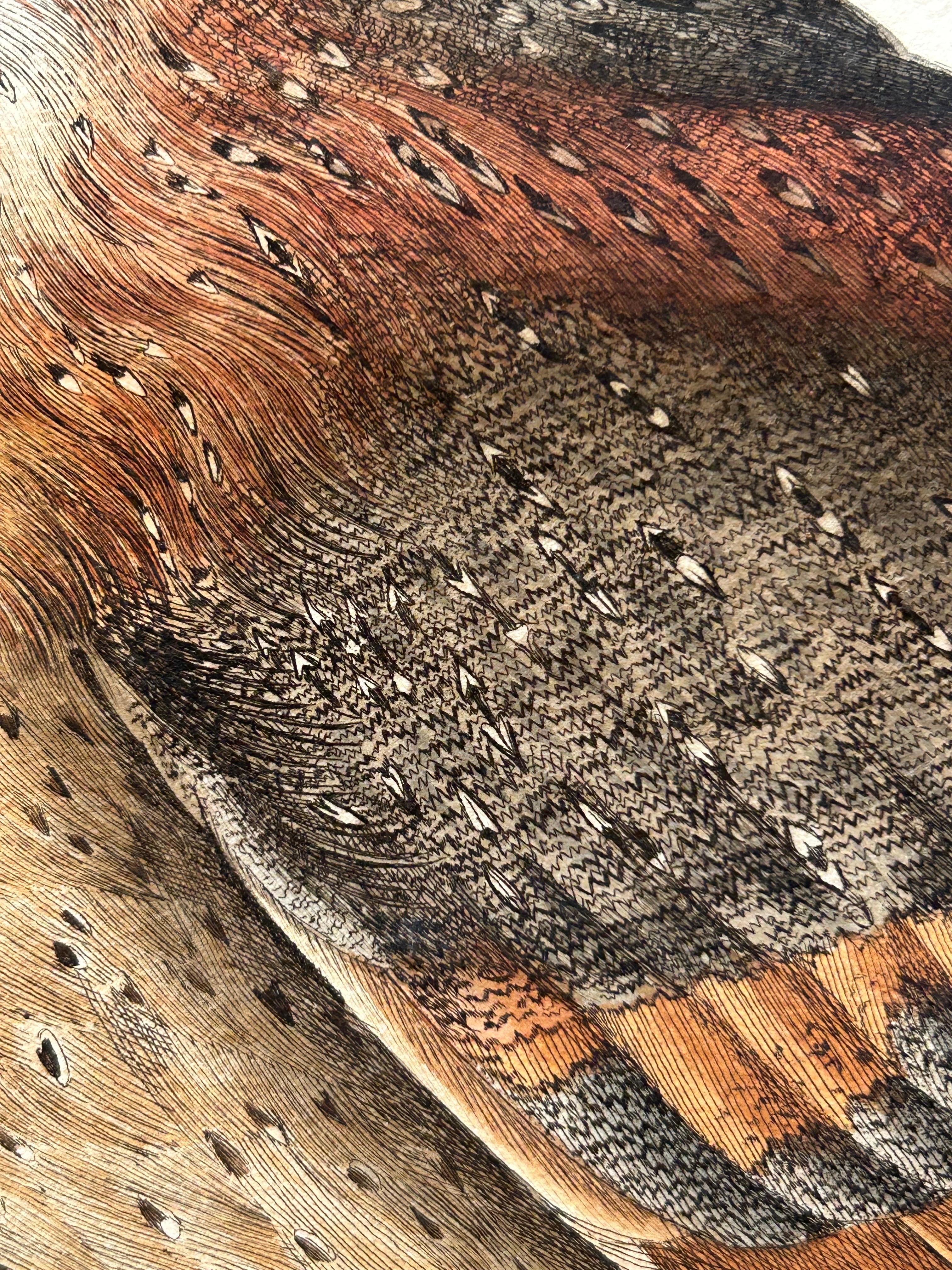
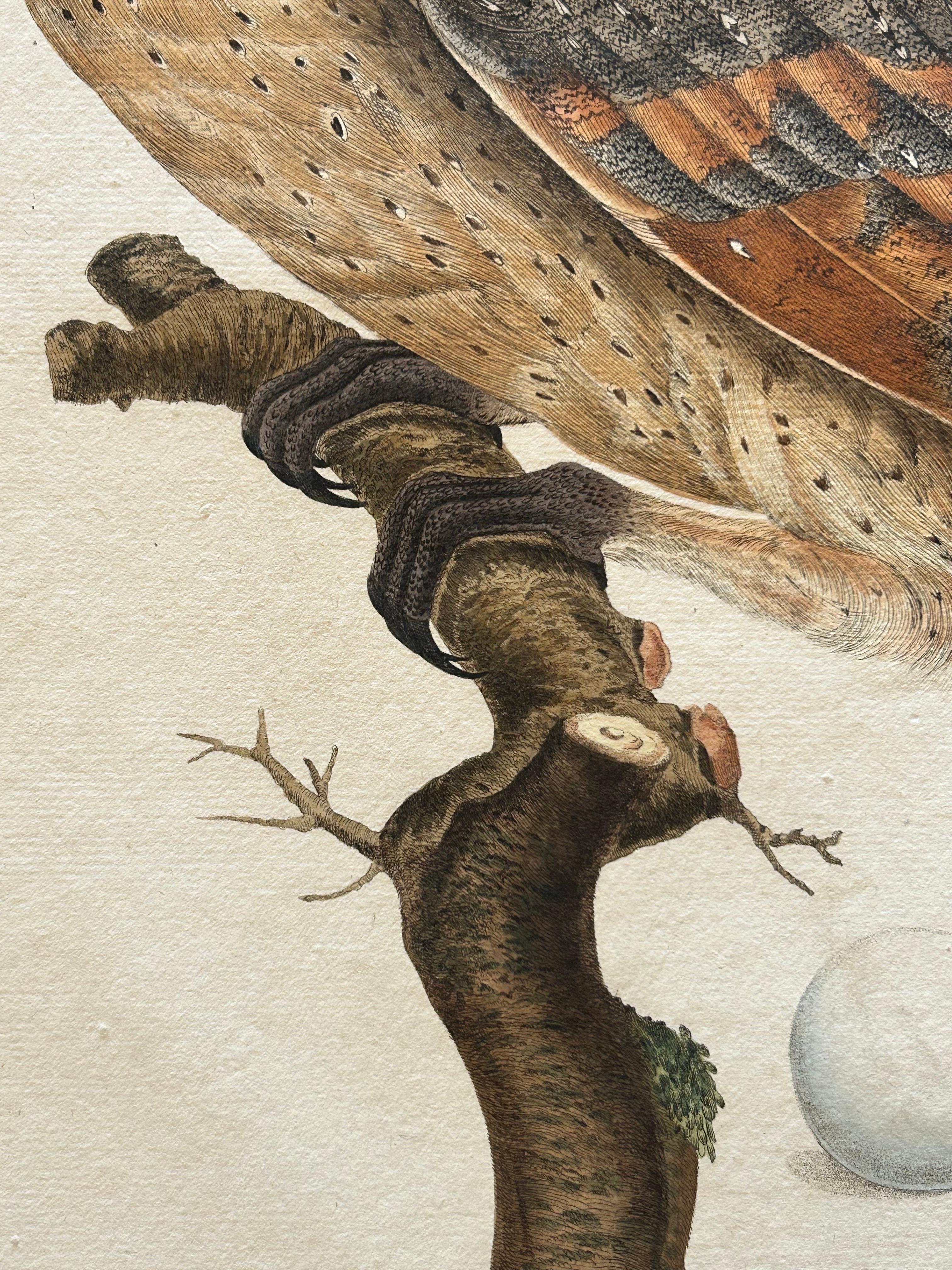
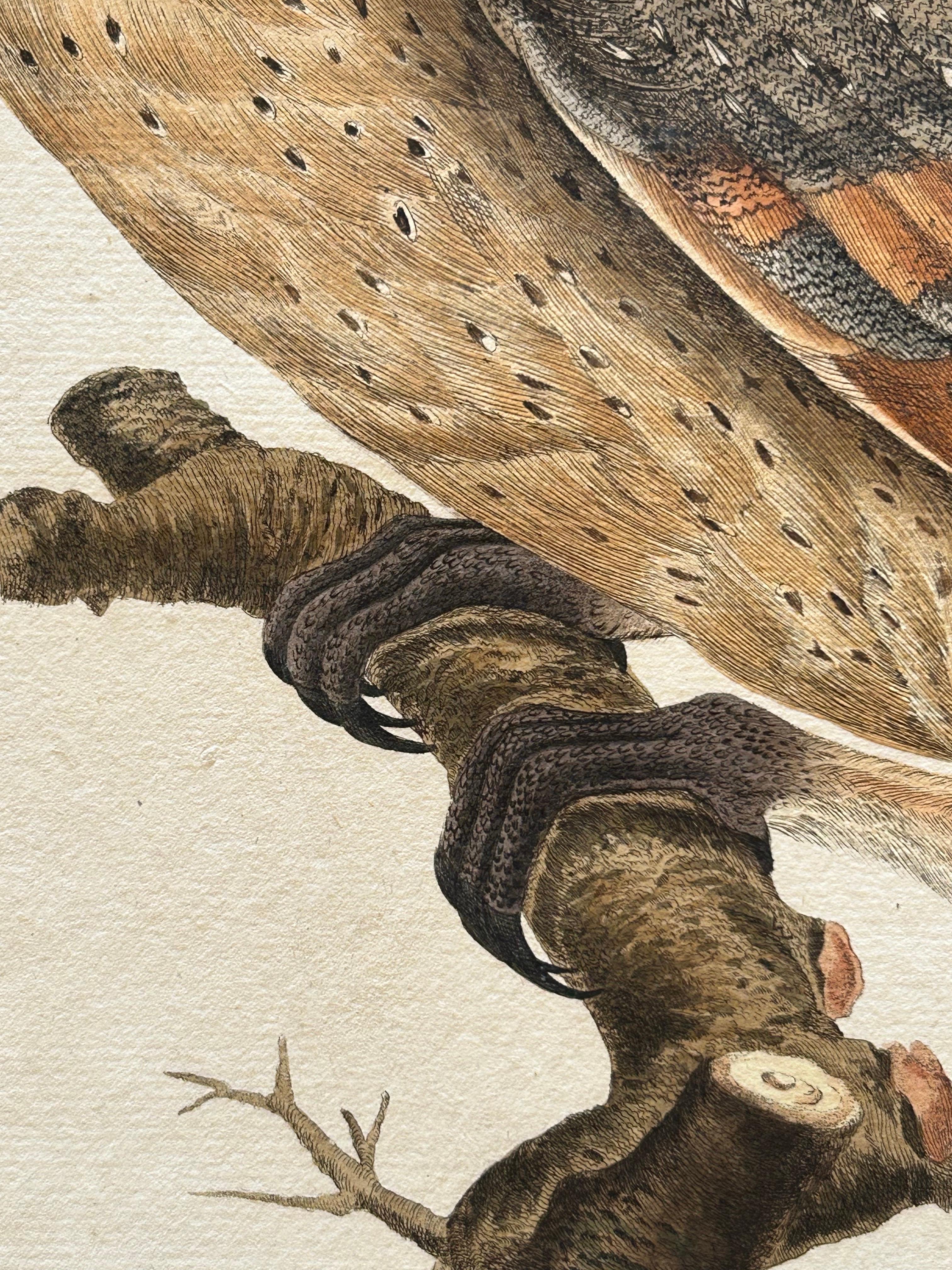
Strix Flammea – Antique Barn Owl Print by Nozeman & Sepp, 1829
€ 2 750
One of a kind: this is the sheet in the photographs. Ships from Langweer, the Netherlands.
Date
1829
Mapmaker / artist
M. Houttuyn (Author),Cornelius Nozeman (Author),J.C. Sepp (Artist)
Technique
Engraved
Sheet size
53.5 × 37 cm (21.1 × 14.6 in)
Condition
Good
Reference
BG-05991/156
Condition
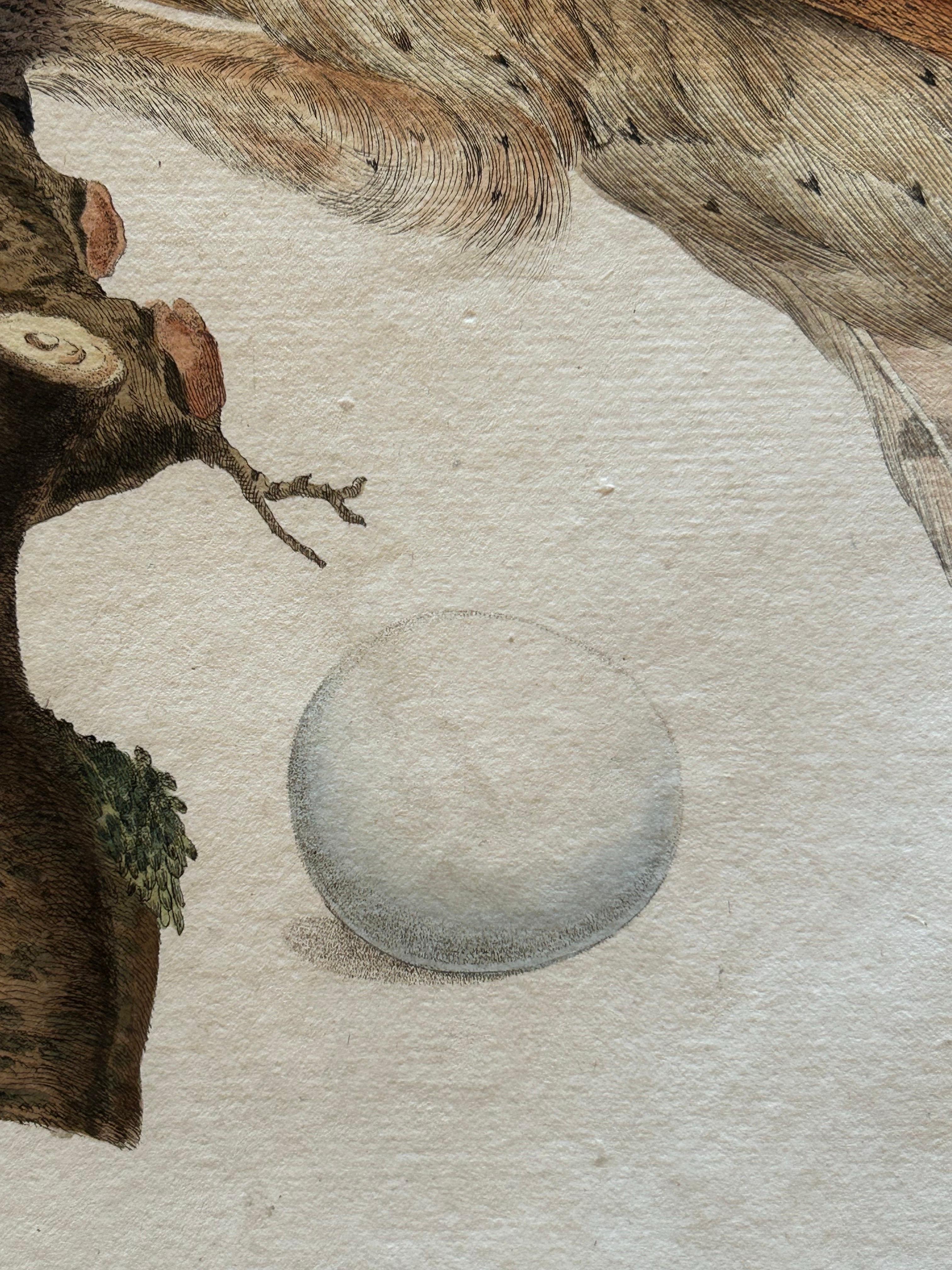
Very good. Clean sheet with light, even age toning. Strong plate impression visible. Original text pages present and good, with mild toning and one or two small scattered spots; one tiny hole in margins, no tears or repairs. Please study images.
About this sheet
Strix Flammea – Antique Barn Owl Print by Nozeman & Sepp, 1829
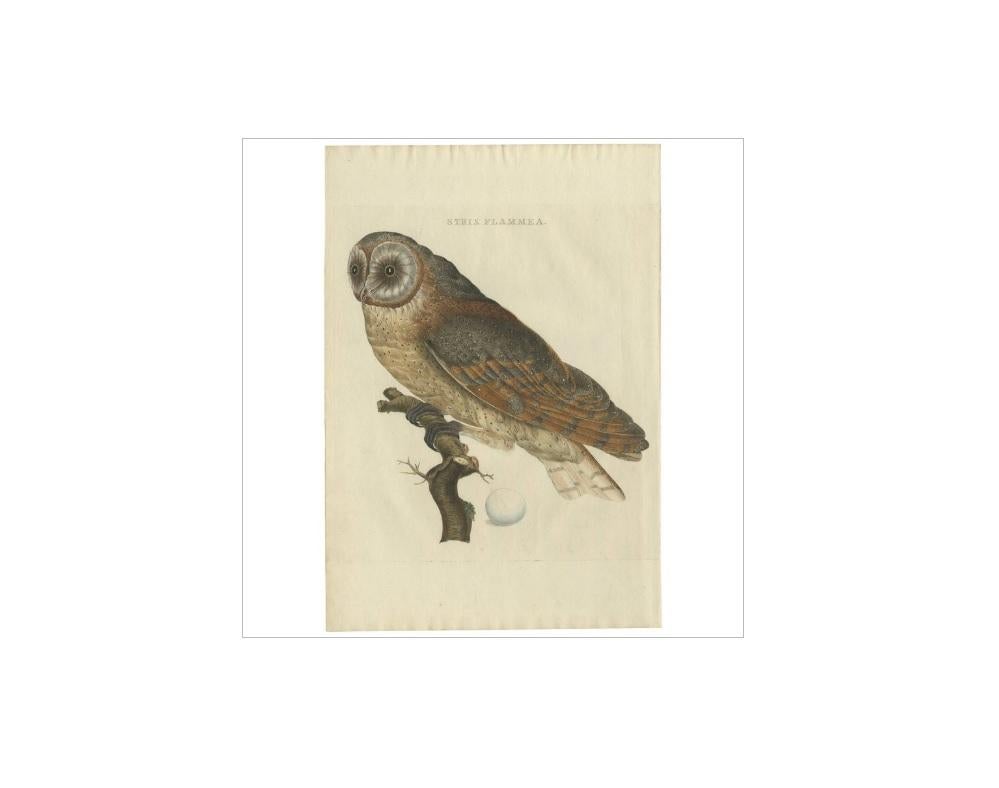
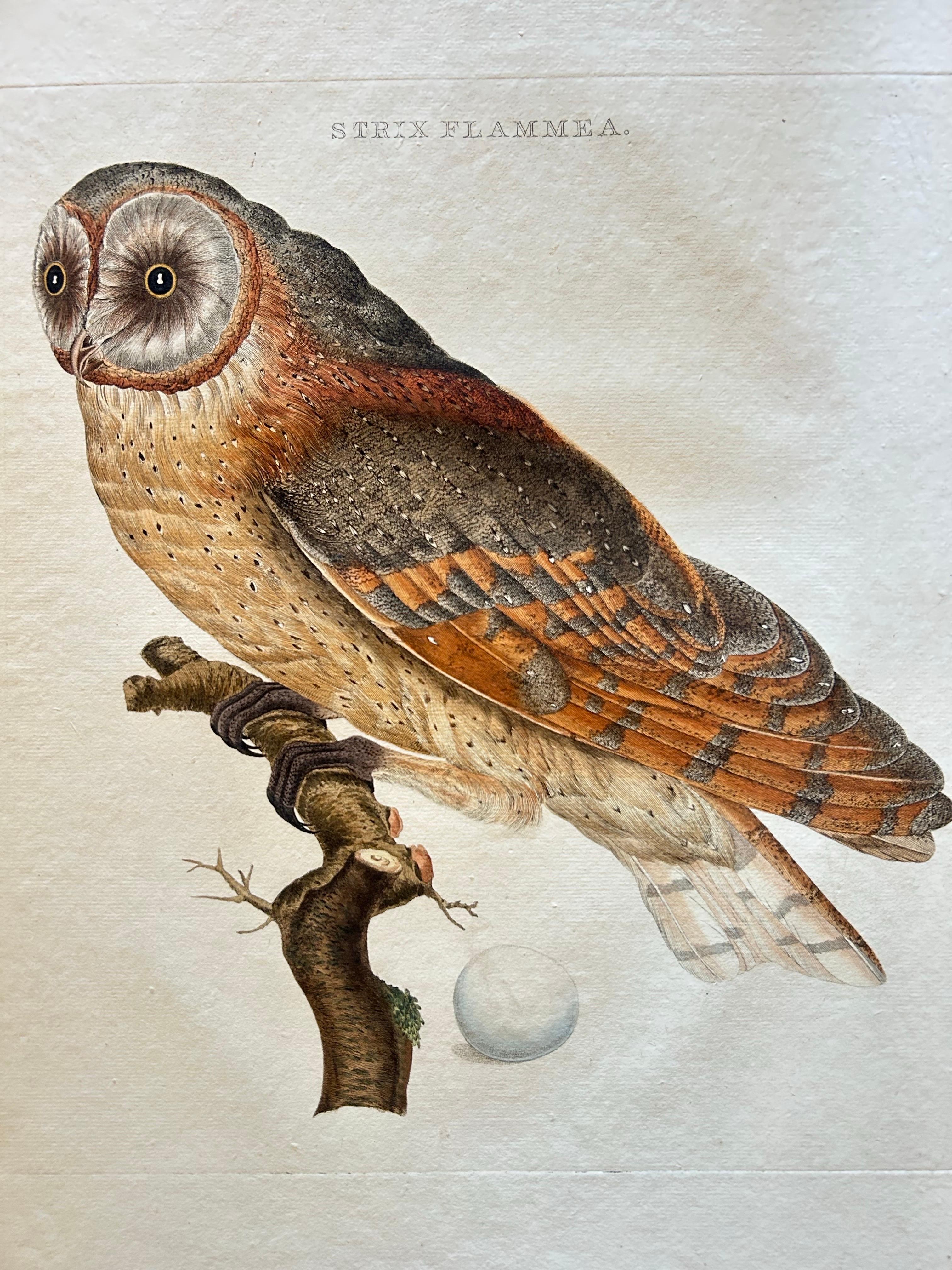
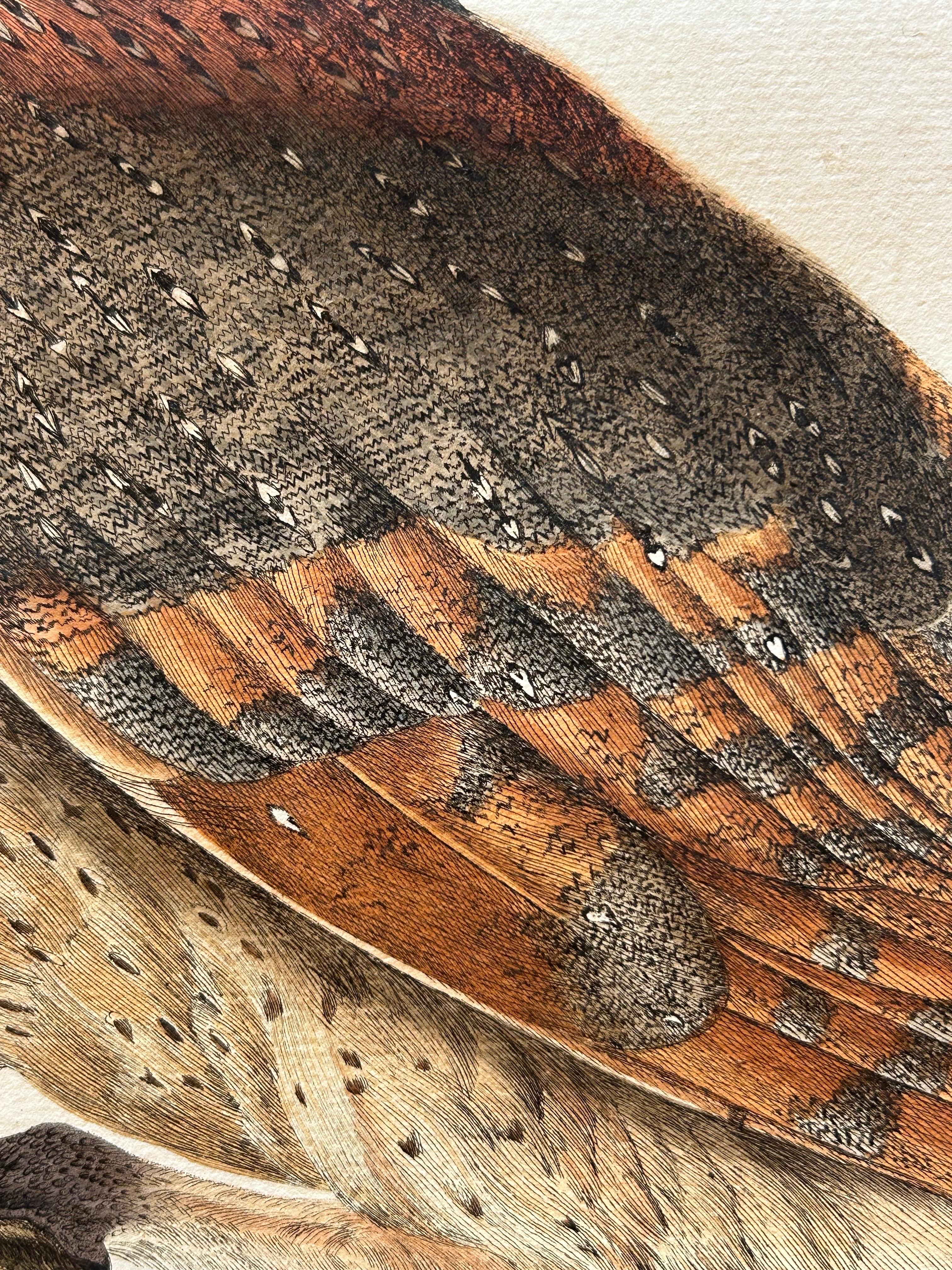
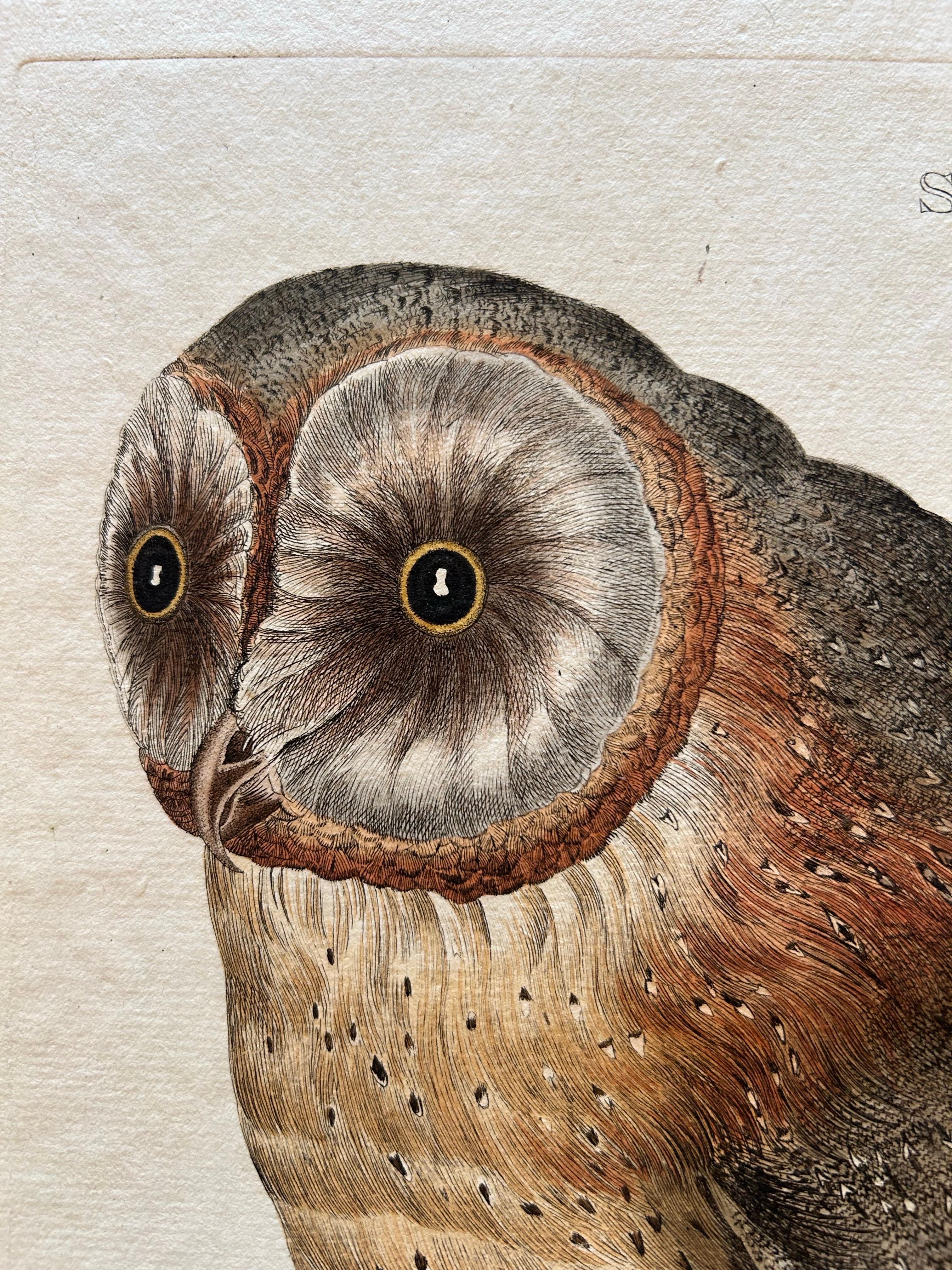
This beautifully hand-coloured engraving shows the barn owl (Tyto alba), known in Dutch as the “kerkuil.” The artist captures the owl’s distinctive heart-shaped facial disc, pale underparts, and golden-brown plumage delicately mottled with grey and white. Perched on a gnarled branch beside a single egg, the composition conveys both the elegance and the watchful stillness of this nocturnal hunter.
Originating from Nederlandsche Vogelen; volgens hunne huisdouding, aert, en eigenschappen beschreeven (Amsterdam, 1770–1829), this plate comes from the first comprehensive ornithological study published in the Netherlands. Created by Cornelis Nozeman, Martinus Houttuyn, and Jan Christiaan Sepp, the work is celebrated for its scientific accuracy, life-size or near life-size depictions, and refined hand-colouring. Each image was printed on laid paper and then meticulously finished by hand, resulting in rich, natural tones that bring the species vividly to life.
The barn owl’s remarkable global distribution, from rural farmlands of Europe to tropical landscapes, made it a notable subject for the series. The original accompanying Dutch text offers 18th- and early 19th-century observations on its behaviour, diet, and nesting preferences, reflecting the ornithological knowledge of the era.
Collectors prize Nederlandsche Vogelen plates for their historic, scientific, and decorative appeal, and the barn owl is among the more iconic species depicted.
Condition: Very good. Clean sheet with light, even age toning. Strong plate impression visible. Original text pages present and good, with mild toning and one or two small scattered spots; one tiny hole in margins, no tears or repairs. Please study images.
Framing tips: A soft cream or natural linen mount will highlight the owl’s warm plumage, paired with a dark oak or gilded frame for a traditional natural history display. Consider float-mounting to reveal the plate mark. Use UV-protective glazing to preserve the delicate hand-colouring.