About this sheet
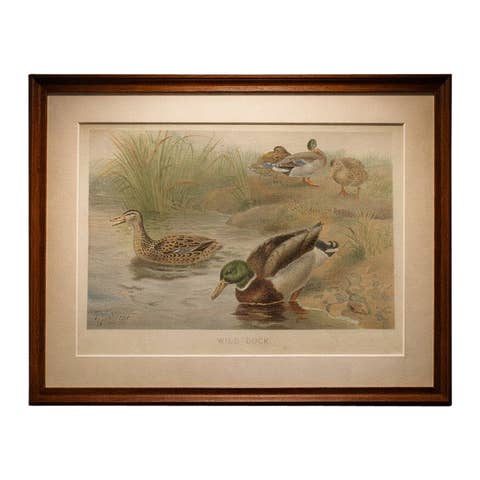
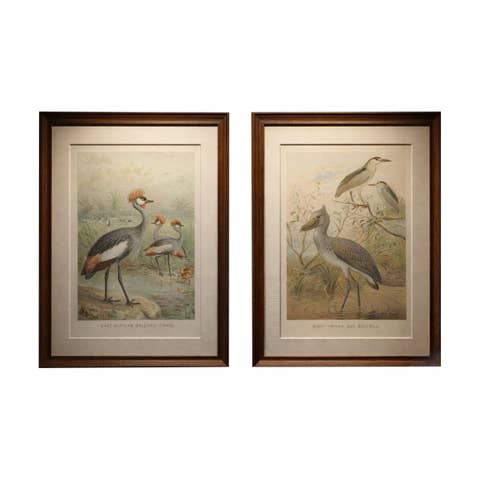
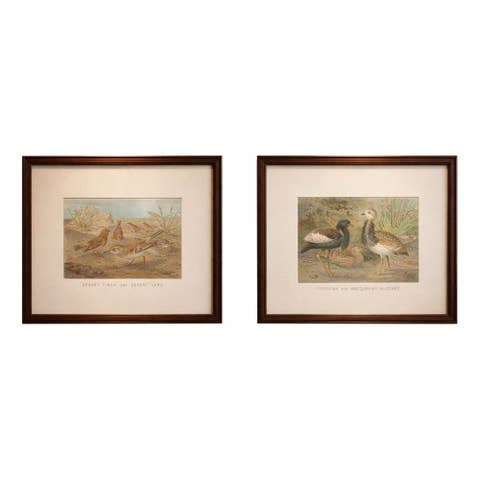
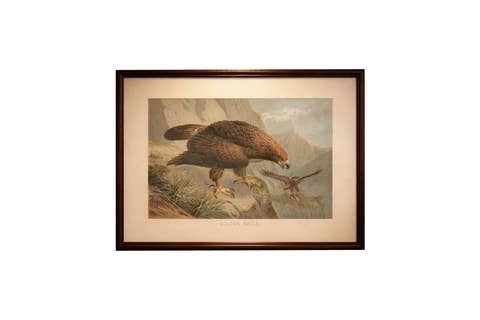
Antique Bird Prints Set of 2, Parrots & Macaws, Vibrant Chromolithographs, 1895
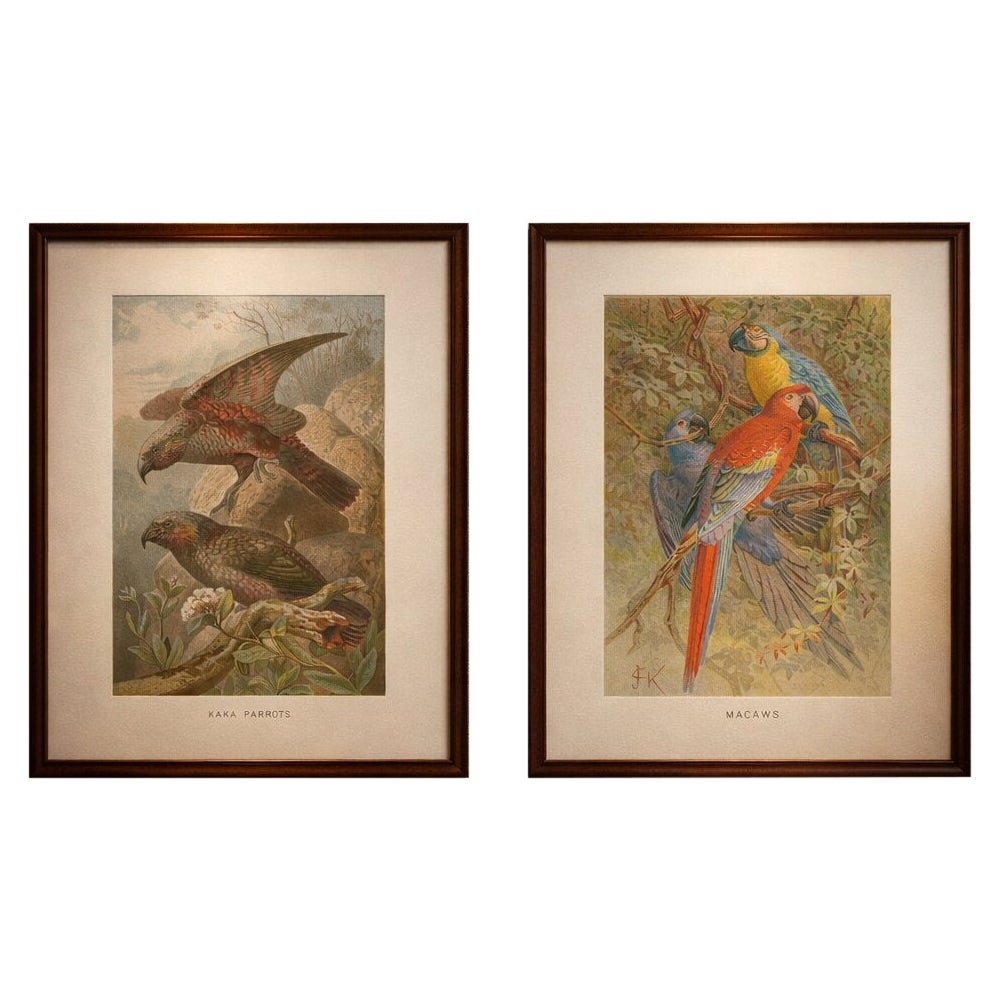
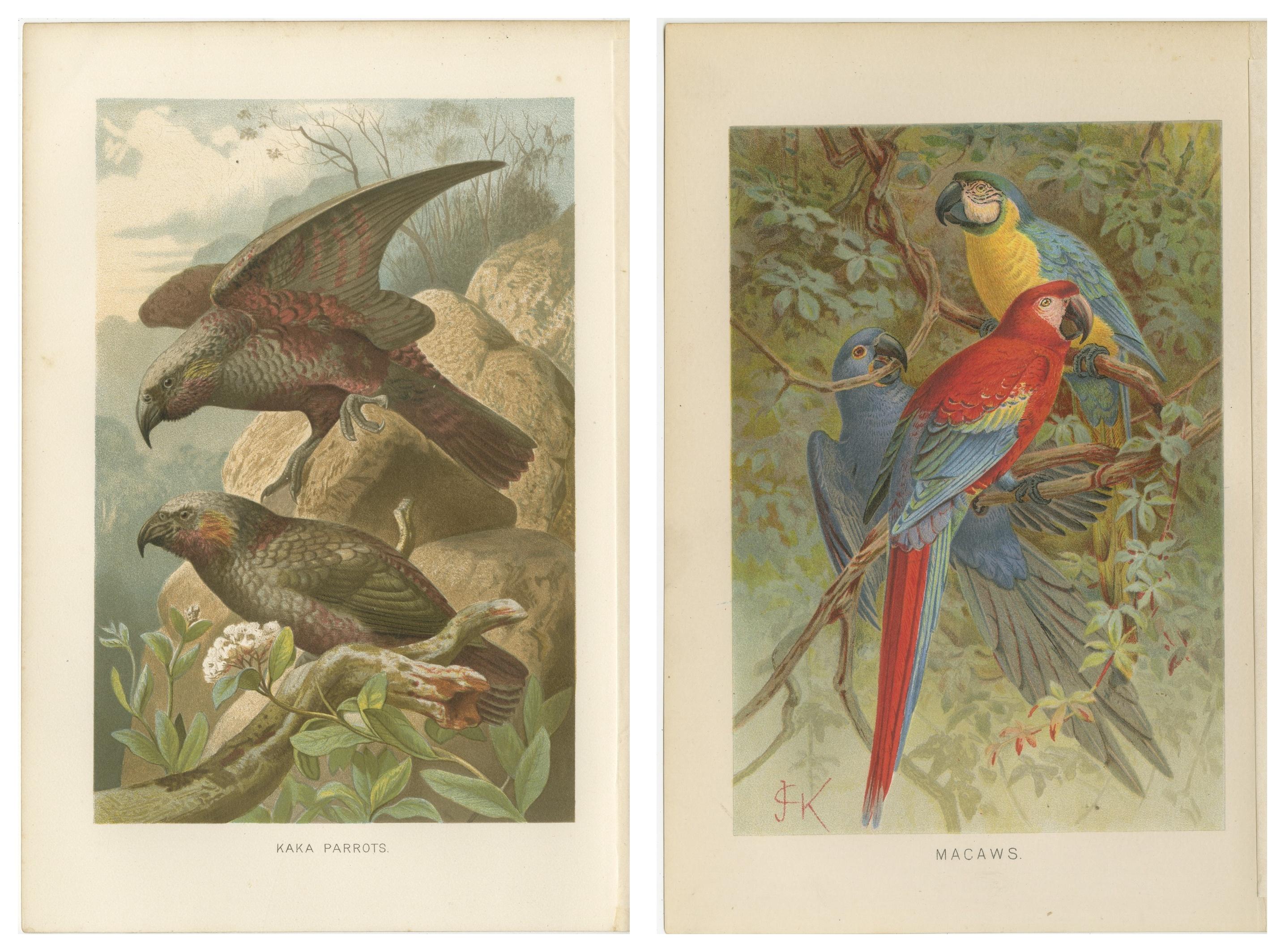
A striking and highly decorative pair of late 19th-century natural history prints depicting exotic parrots, including Kaka Parrots and vividly colored Macaws. These finely executed works originate from a celebrated Victorian zoological publication and represent the height of chromolithographic printing, a technique prized for its ability to reproduce rich, lifelike color with remarkable subtlety and depth.
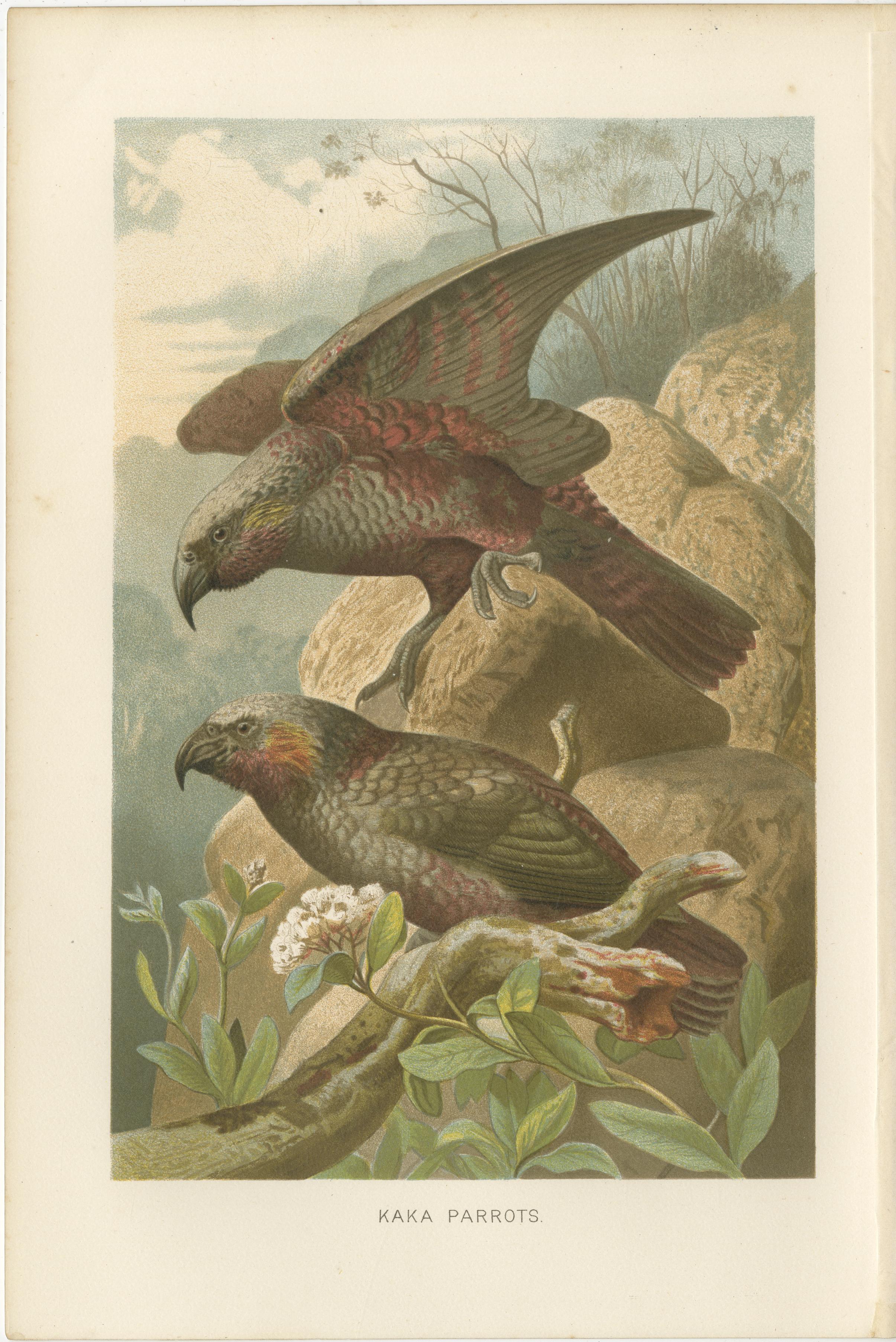
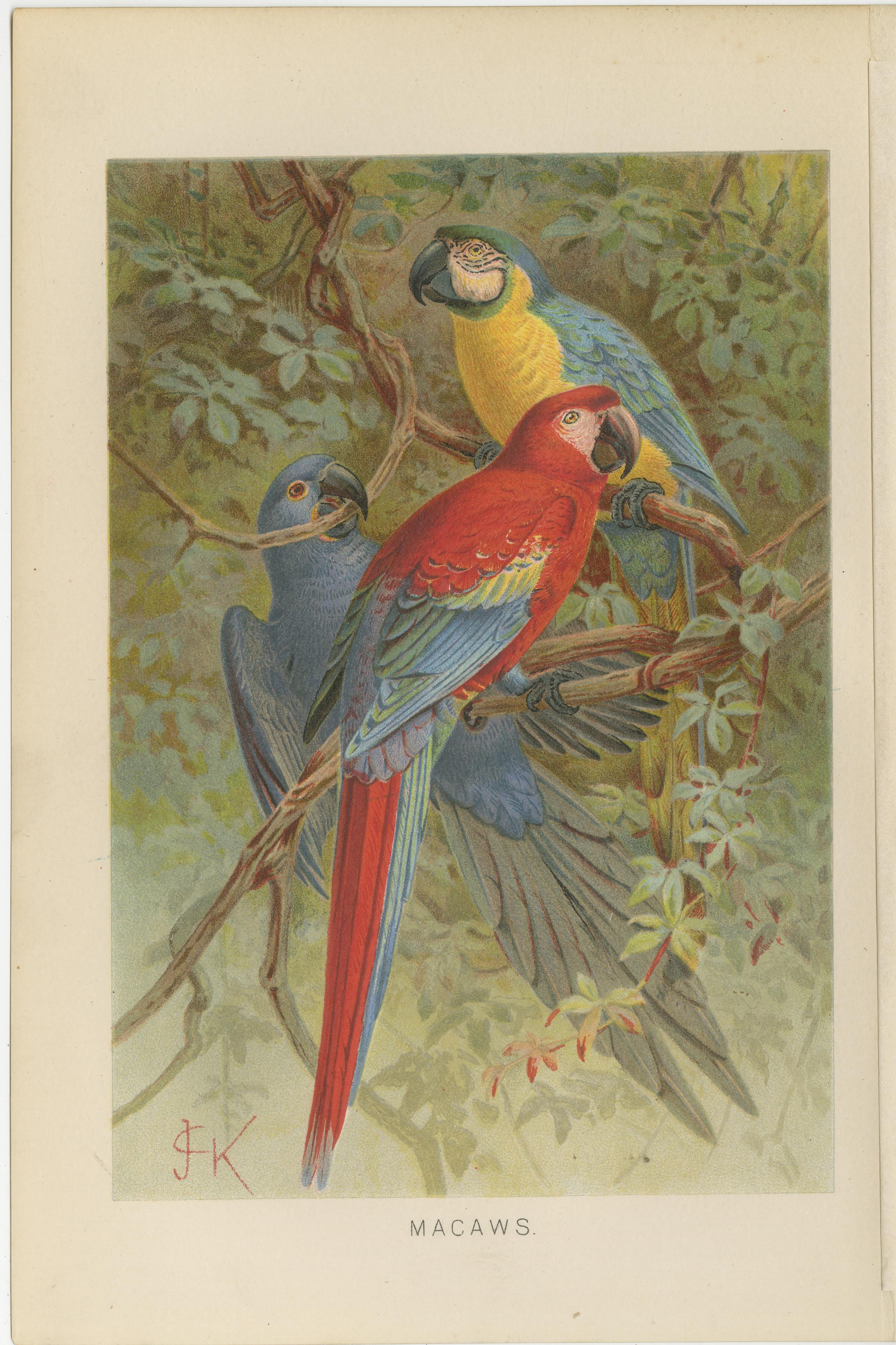
The compositions capture the birds in lush, natural settings, with careful attention to posture, plumage, and environment. The Macaw plate, in particular, stands out for its brilliant reds, blues, and yellows, while the Kaka Parrots offer a more subdued yet equally refined palette of earthy greens and warm browns. Together, they form a perfectly balanced pair—combining vibrancy with restraint, and creating a dynamic yet harmonious visual dialogue.
Unlike more restrained natural history plates, this pair carries a distinctly decorative quality, making them especially appealing for interior design use. The rich coloration and tropical subject matter lend themselves beautifully to both contemporary and classic interiors, where they can serve as focal points without overwhelming a space. Displayed together, they offer a sense of symmetry and visual rhythm, ideal for placement above a console, sideboard, or within a curated gallery wall.
These prints exemplify the Victorian fascination with the natural world, particularly exotic and far-reaching species, reflecting both scientific curiosity and aesthetic appreciation. Their enduring appeal lies in this balance—where documentation meets artistry—making them highly collectible as well as visually engaging.
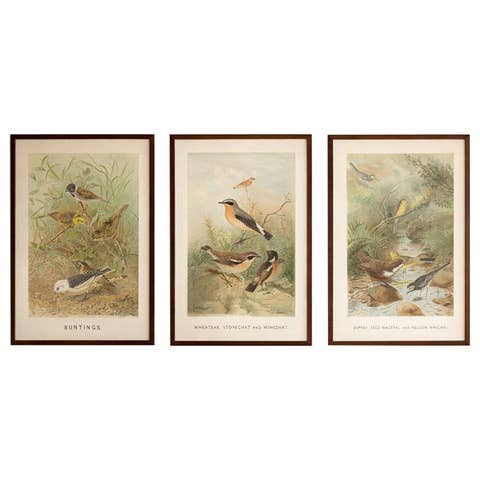
This pair is offered as a cohesive set, unified by subject, period, and technique, and is particularly suited for collectors and interior designers seeking bold yet refined natural history artwork. Note: These prints are original antique chromolithos and not reproductions. They are offered unframed. Frame shown for presentation purposes only.
Condition: Good overall condition with age-related toning and some light foxing primarily in the margins, as typical for prints of this period. Paper remains strong and stable. Colors are vibrant and well preserved. Minor handling wear may be present. Plate marks not applicable, as issued.
Framing tips: These prints benefit from dark walnut or ebonized frames combined with generous ivory or off-white mats to emphasize contrast and enhance their vivid coloration. Museum glass is recommended to reduce reflections while preserving clarity. For a more contemporary interior, a slightly oversized mat can further elevate their presentation and create a gallery-quality look.
Technique: Chromolithograph
Maker: After P.J. Smit and W. Kuhnert, European School, late 19th century