About this sheet
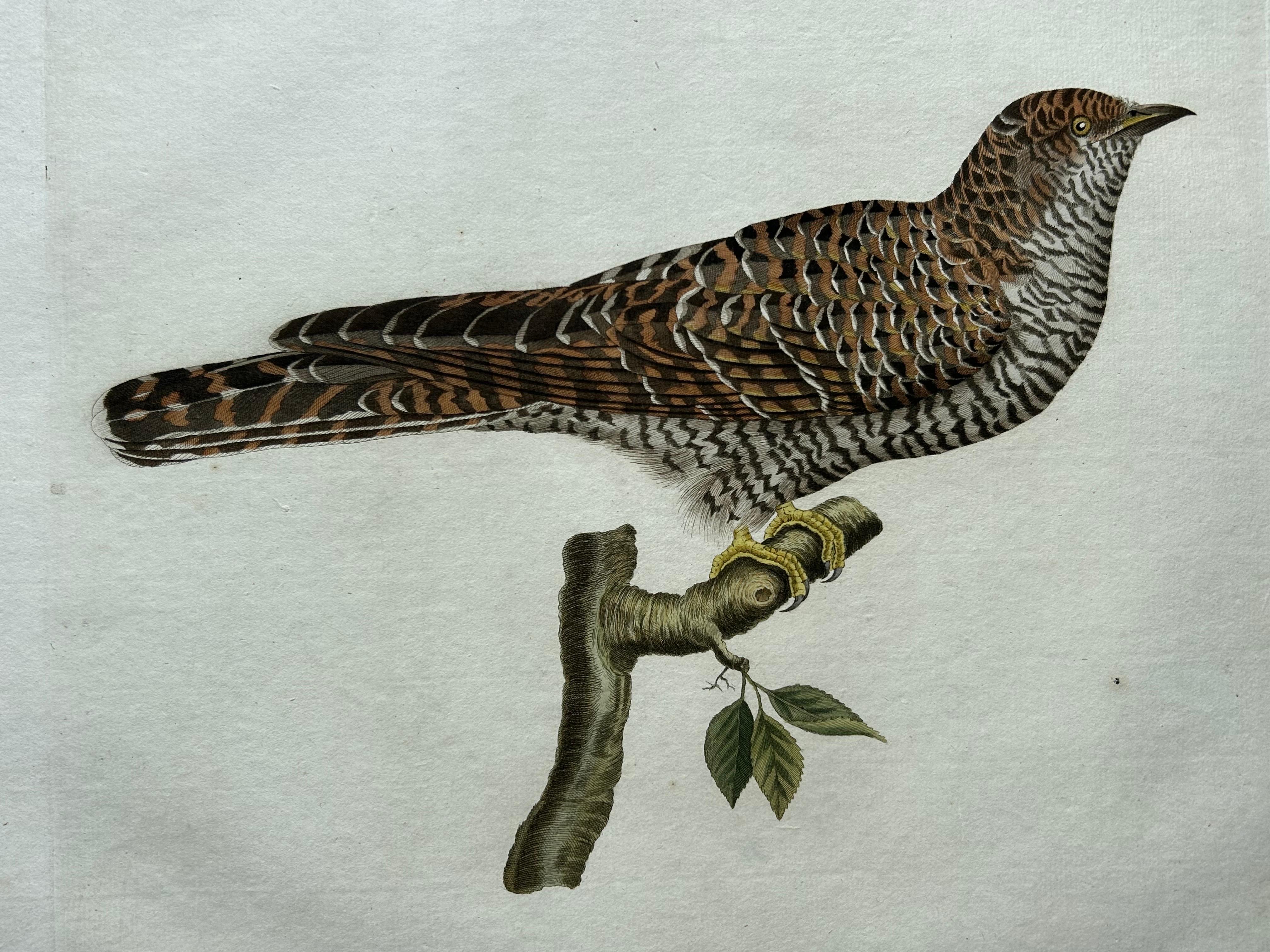
Rufous Cuckoo ‘Cuculus Rufus’ – Antique Hand-Coloured Engraving with Dutch Text, 1770–1829
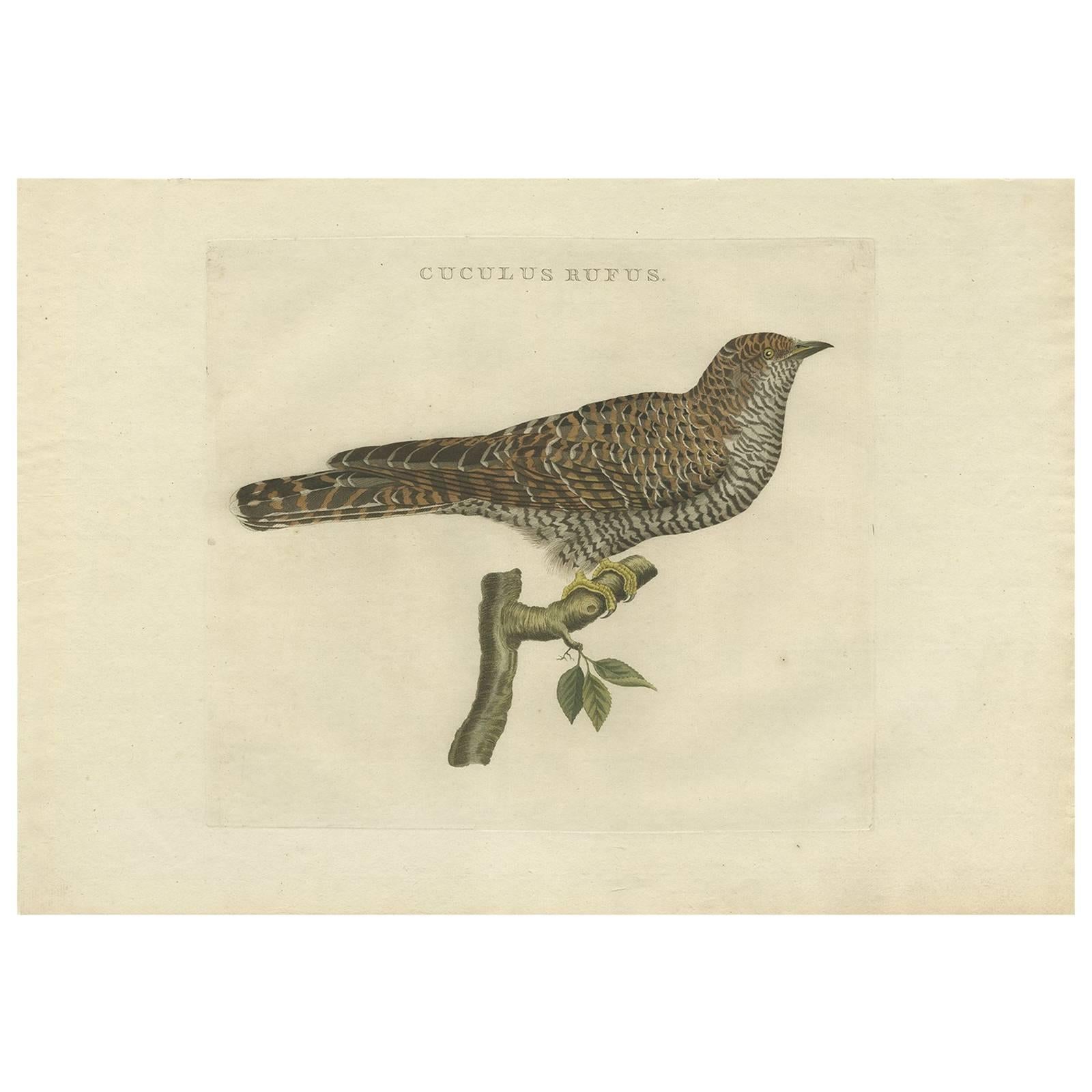
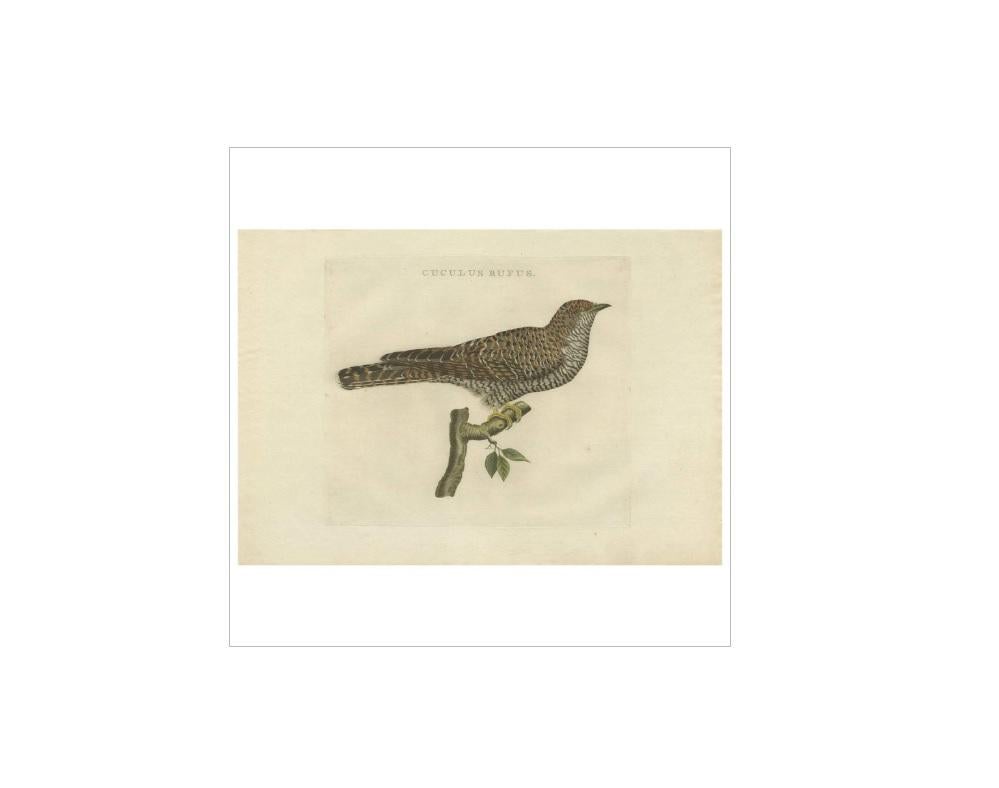
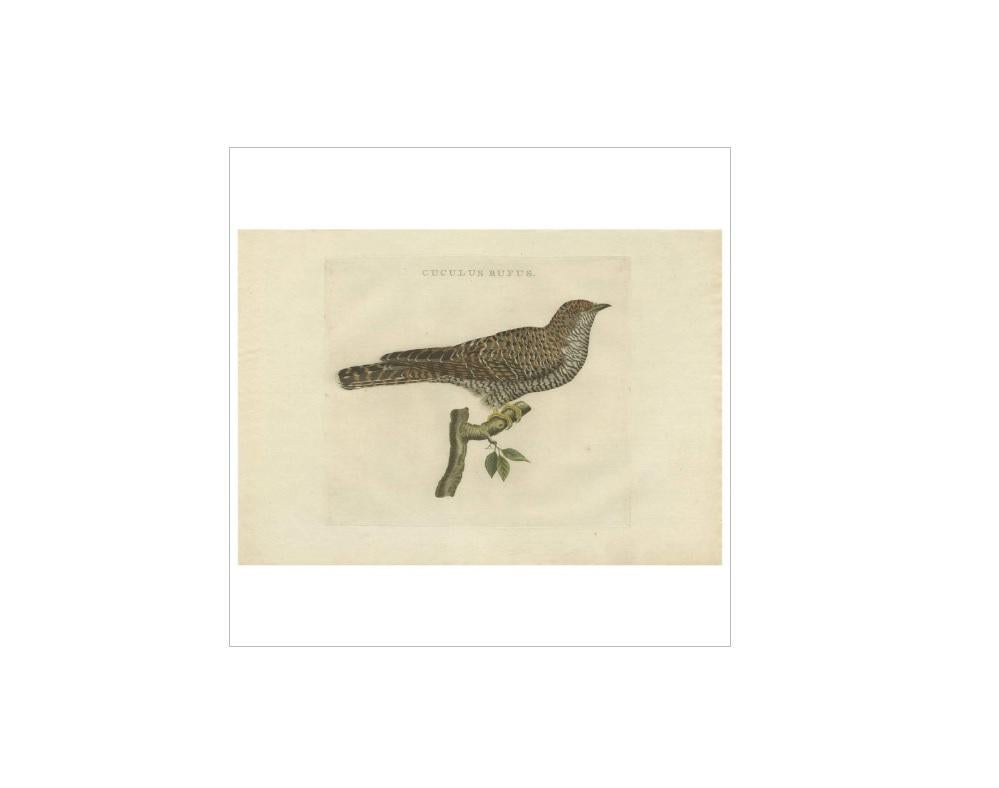
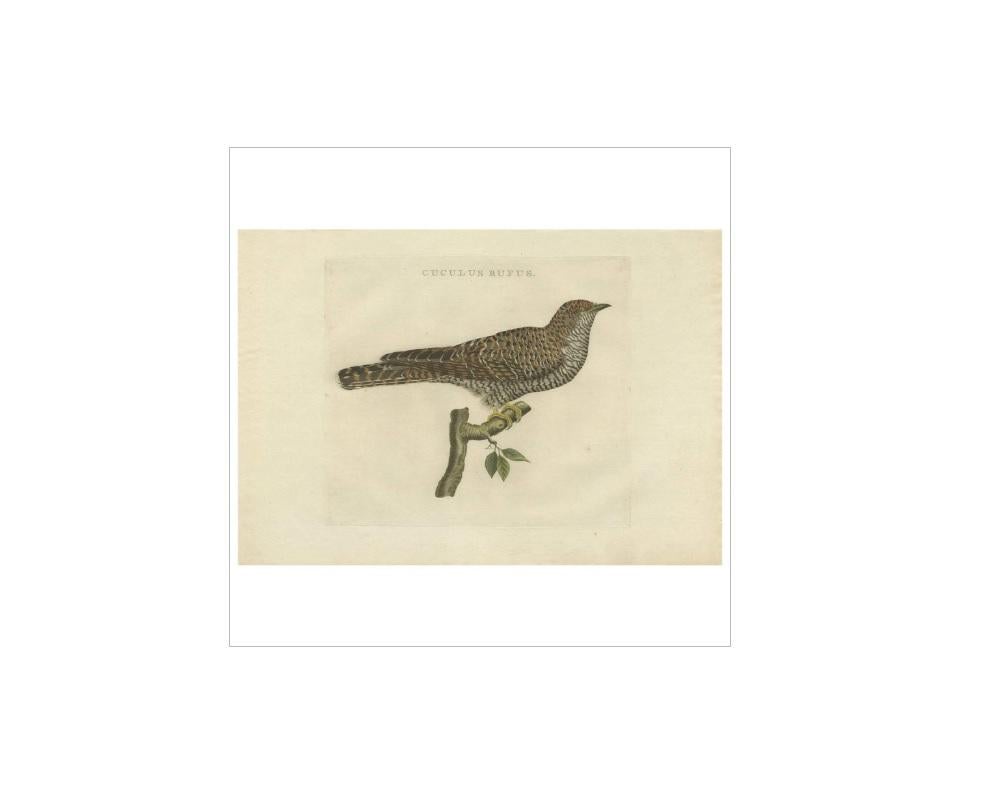
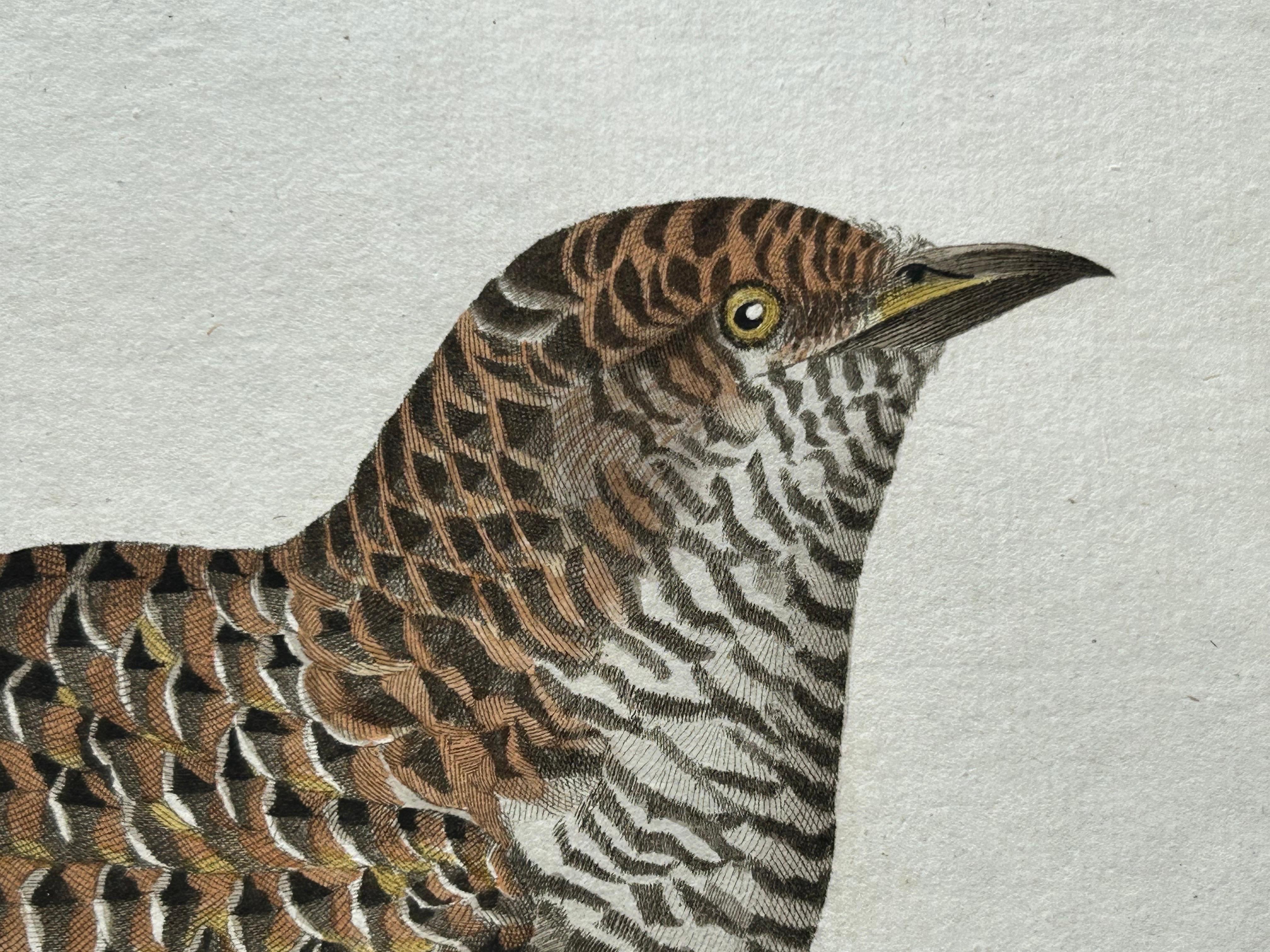
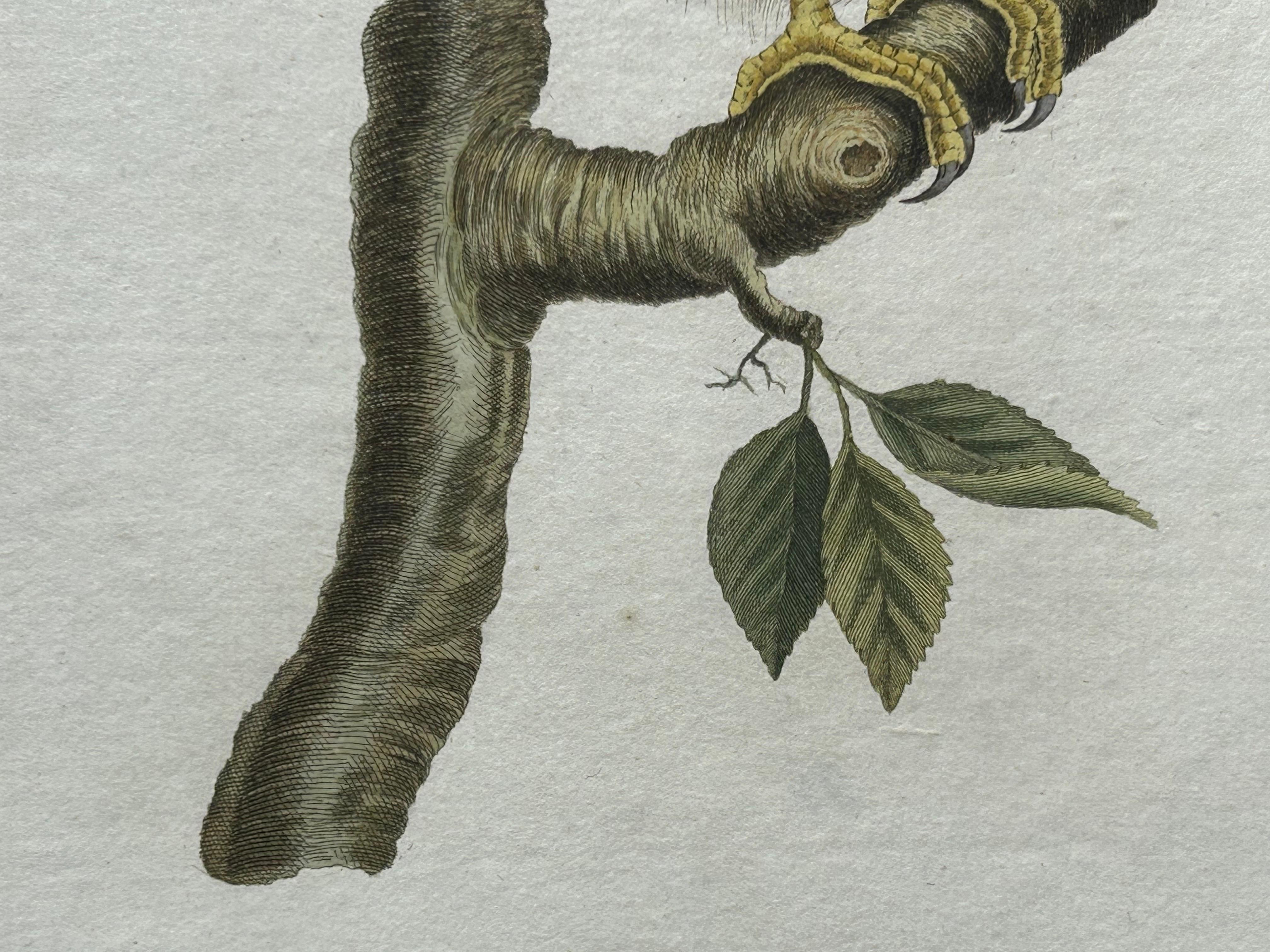
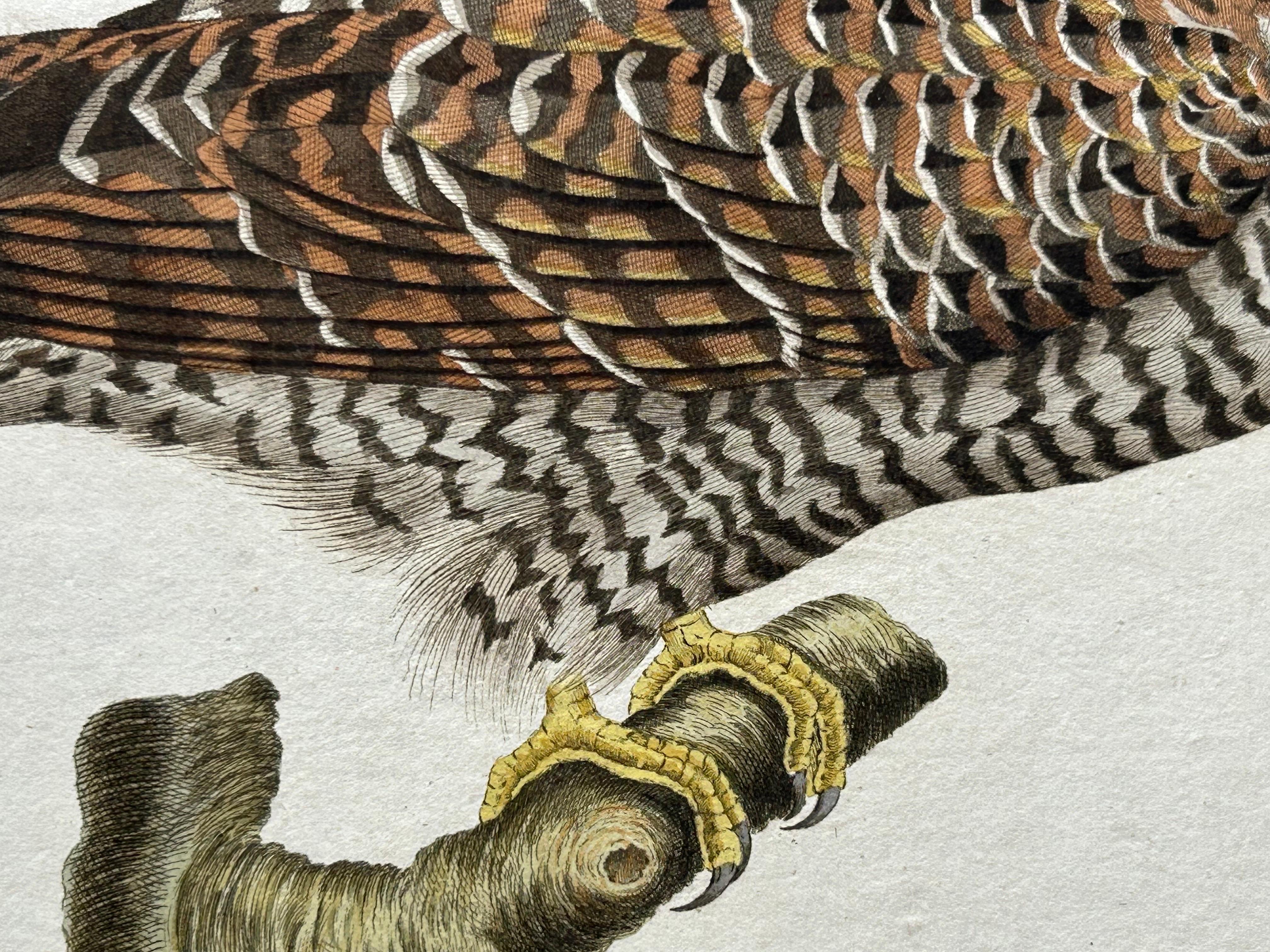
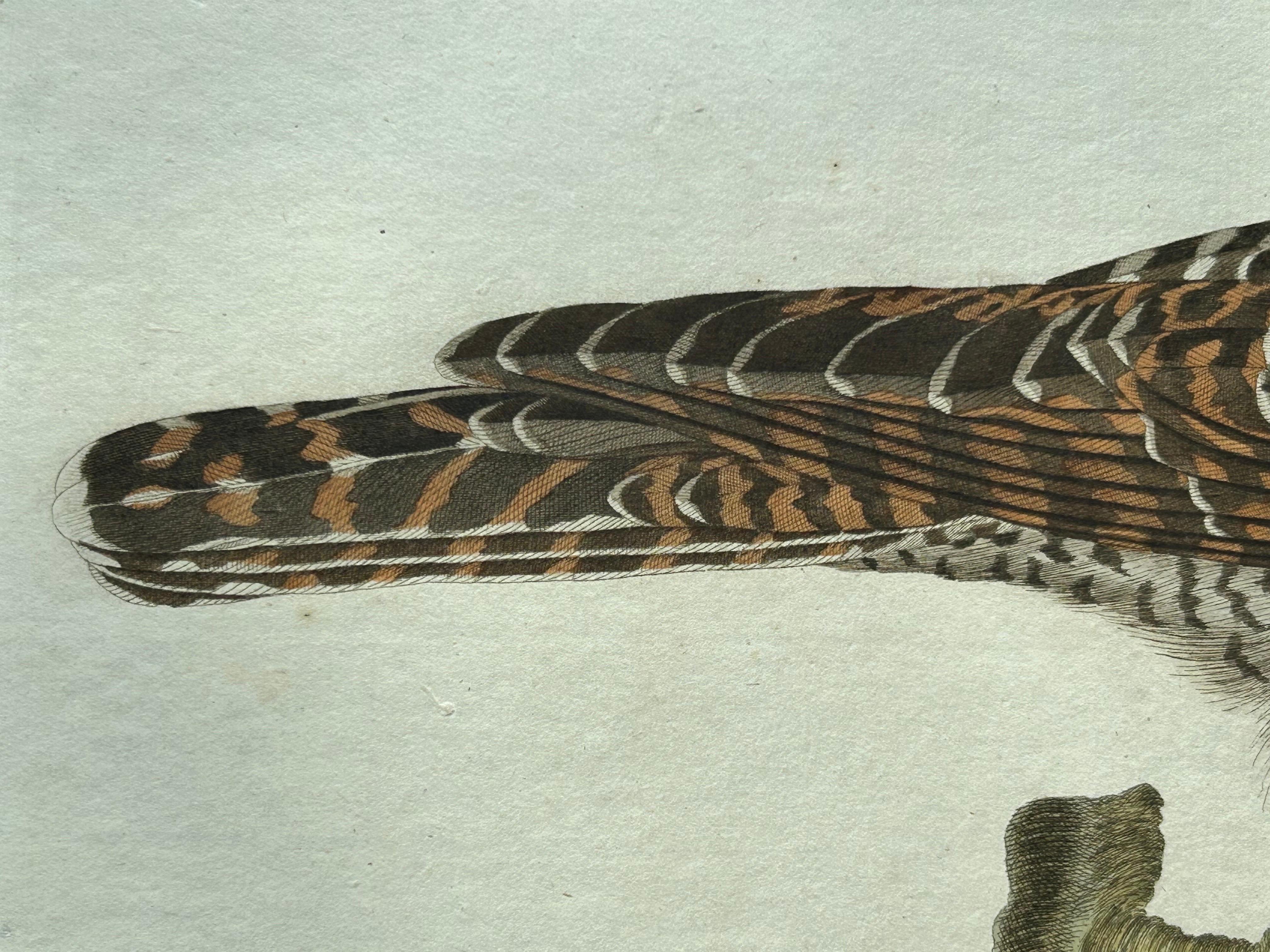
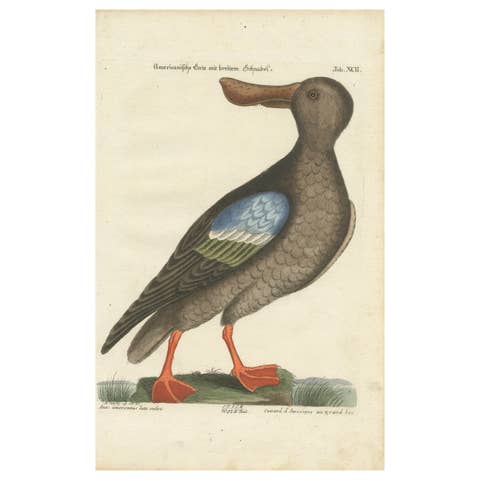
Antique hand-coloured engraving titled 'Cuculus Rufus', depicting the rufous morph of the cuckoo perched on a small branch. The bird is shown in exquisite detail, with fine engraving lines and subtle hand colouring capturing the rufous-brown and barred plumage. This morph of the cuckoo is a rare variant of the common cuckoo (Cuculus canorus) and has long fascinated ornithologists due to its distinctive colouring. The bird is portrayed in a profile stance, allowing the viewer to appreciate its elegant, streamlined body, slightly down-curved beak, and the soft feather patterns that distinguish it from the typical grey morph.
This print originates from the monumental work 'Nederlandsche Vogelen; volgens hunne huisdouding, aert, en eigenschappen beschreeven', published in Amsterdam between 1770 and 1829 by Cornelius Nozeman, Martinus Houttuyn, and Jan Christiaan Sepp. It was the first comprehensive ornithological study of the Netherlands, notable for depicting birds life-sized where possible and in their natural habitats.
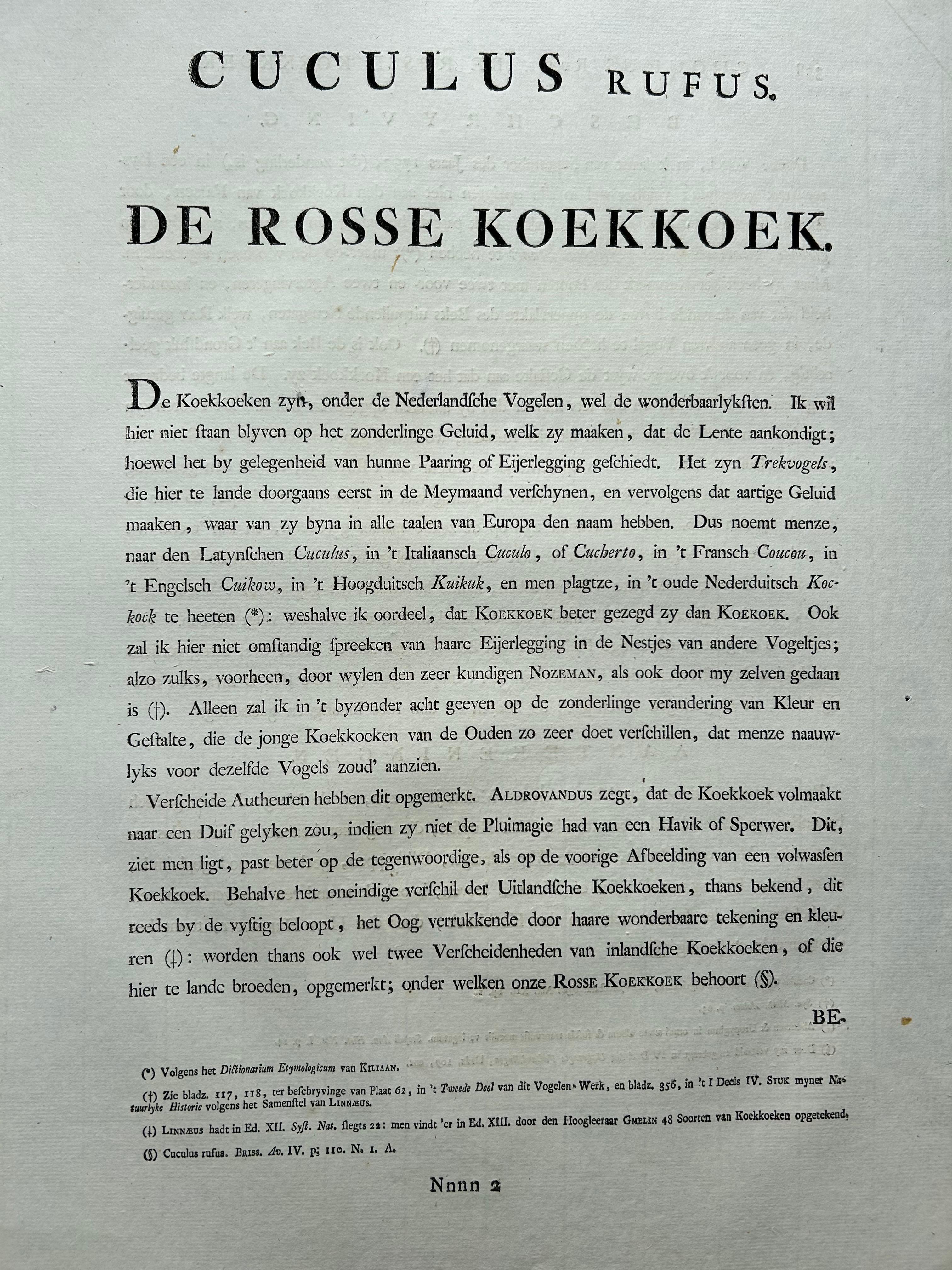
The accompanying two full pages of Dutch text provide an extensive account of the bird's natural history, morphology, and habits. The text notes that the cuckoo was considered among the most remarkable of Dutch birds, famed for its distinctive call that announces spring, and for its parasitic breeding habits—laying eggs in the nests of other species. Observations by contemporary naturalists are included, such as Aldrovandus’ remark that its plumage can resemble that of the sparrowhawk, and references to Linnaeus’ classification.
The description covers detailed morphological features—such as the rufous-tinged plumage, rounded tail with dark barring, and the yellow eyes—and records an 18th-century capture of the species in the Netherlands. The “Aantekeningen” (Notes) section describes stomach content analysis, confirming a diet of caterpillars, worms, and insects, and further anatomical details.
Condition: Excellent impression with rich original hand colouring. Minor age-related toning to margins and occasional light handling marks. Plate mark visible and a few small spots across on both papers - all not affecting the image,
Framing tips: A warm-toned mount (ivory or soft cream) paired with a dark wooden frame will highlight the bird’s rich rufous hues. For a more contemporary presentation, a charcoal mount with a thin gilt inner slip would enhance both the artwork and its 18th-century elegance.