About this sheet
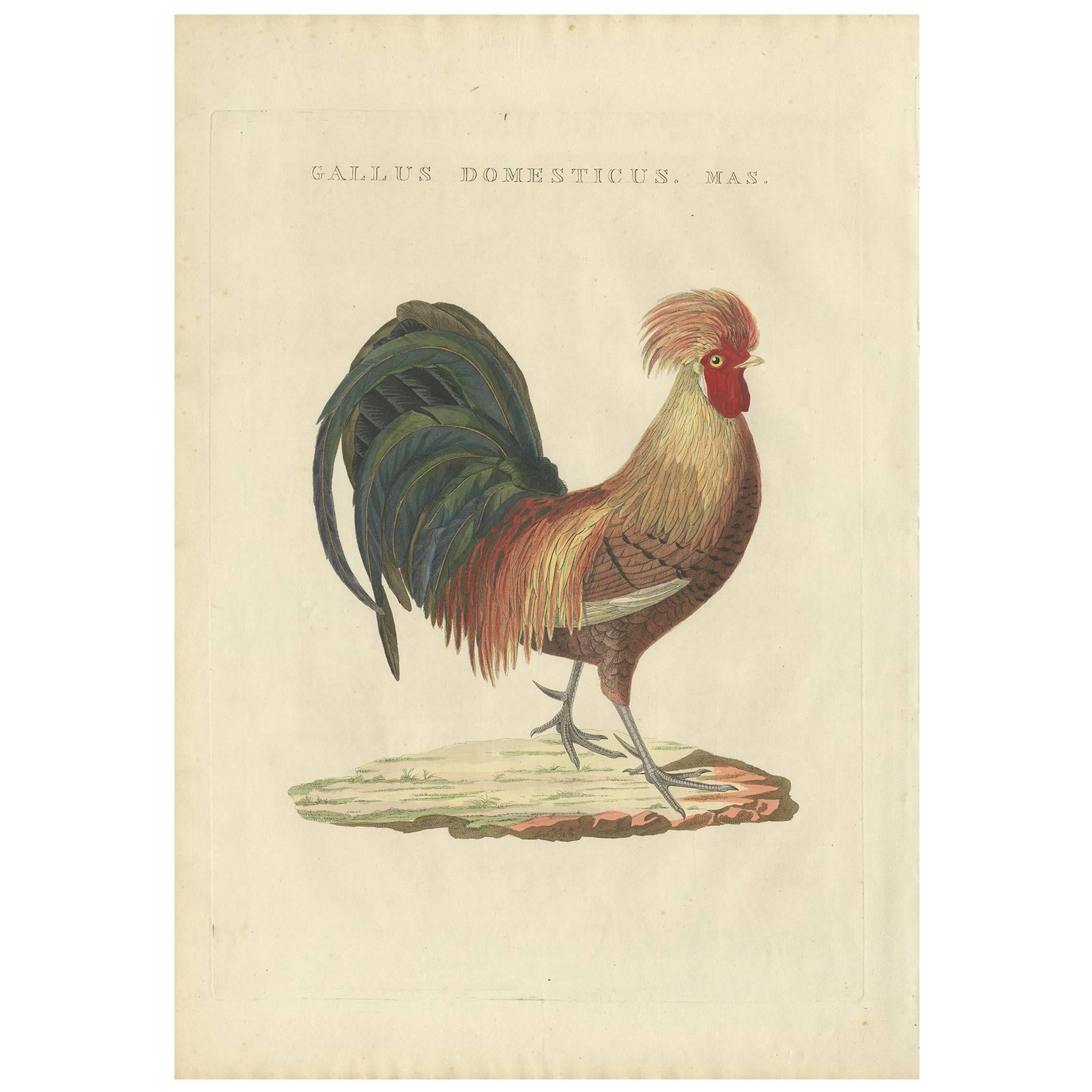
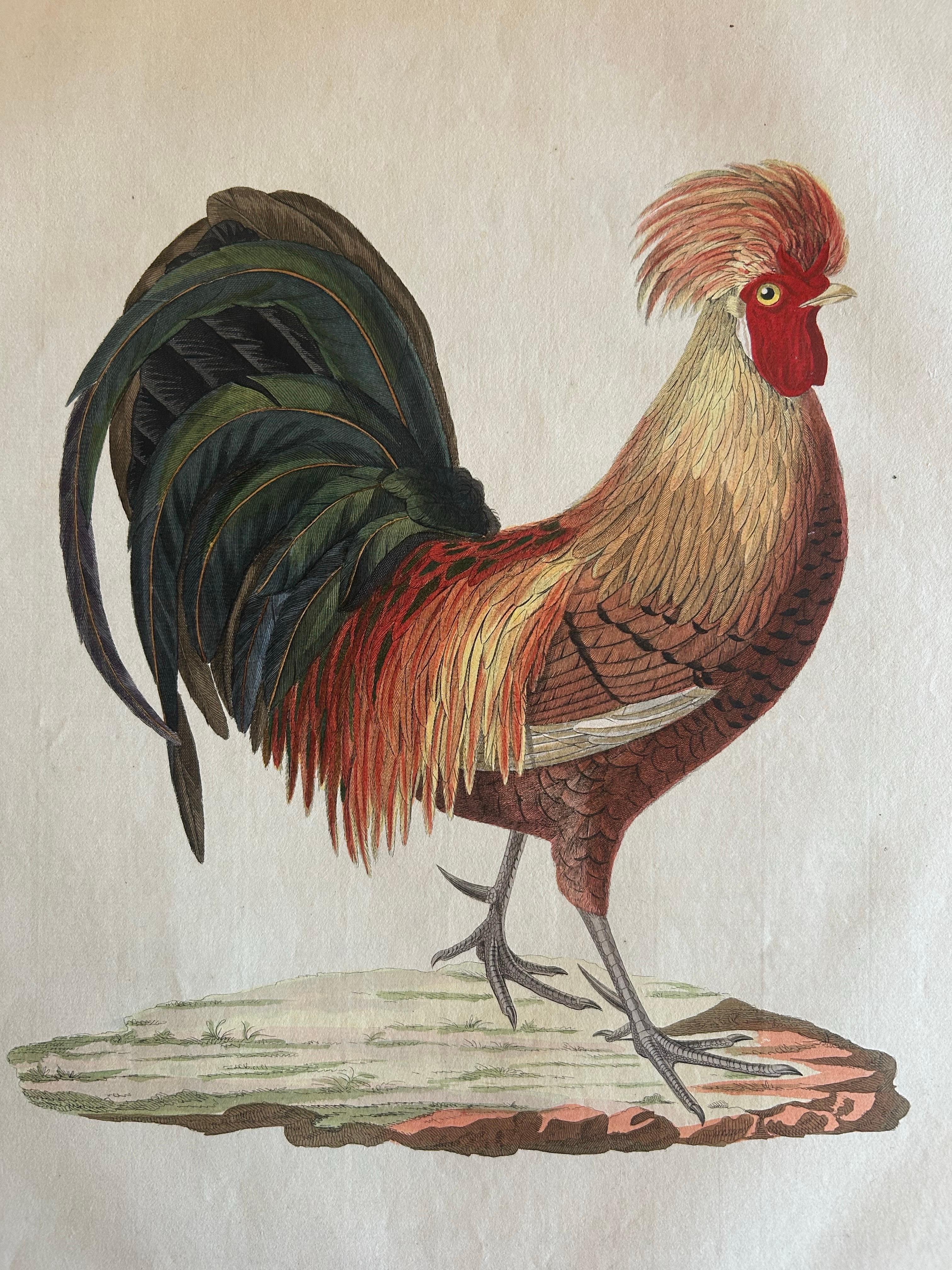
Rooster – Gallus Domesticus Mas – Antique Poultry Print by Sepp & Nozeman c.1829
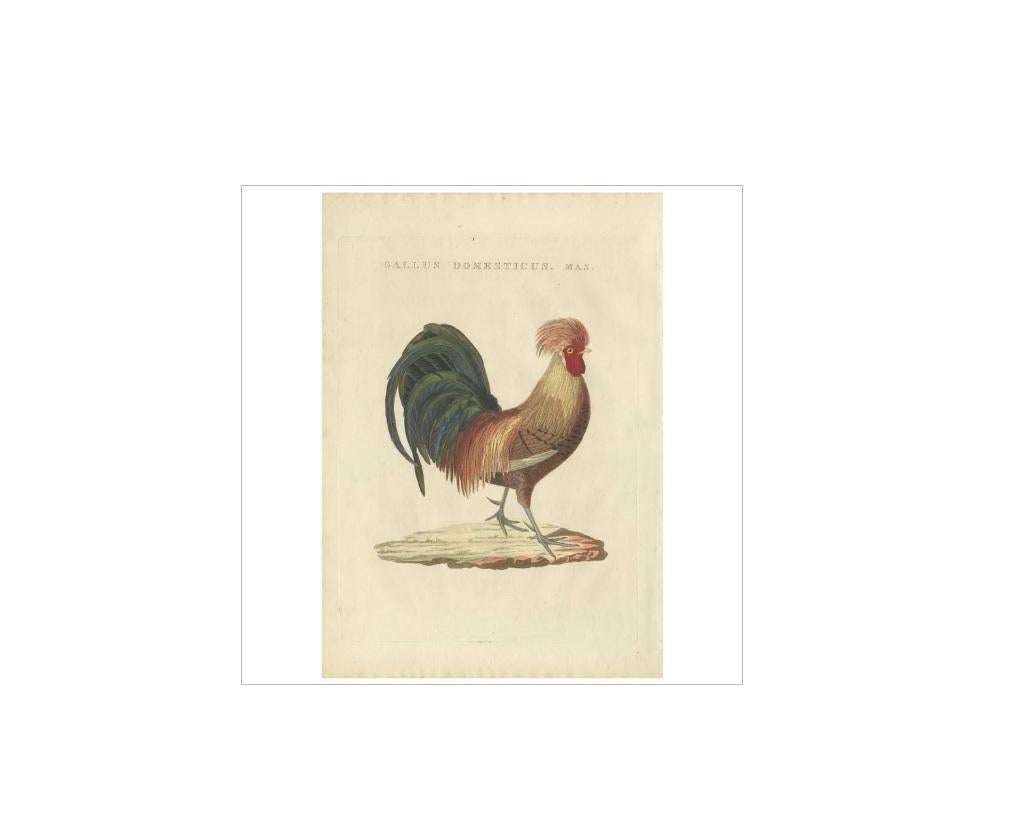
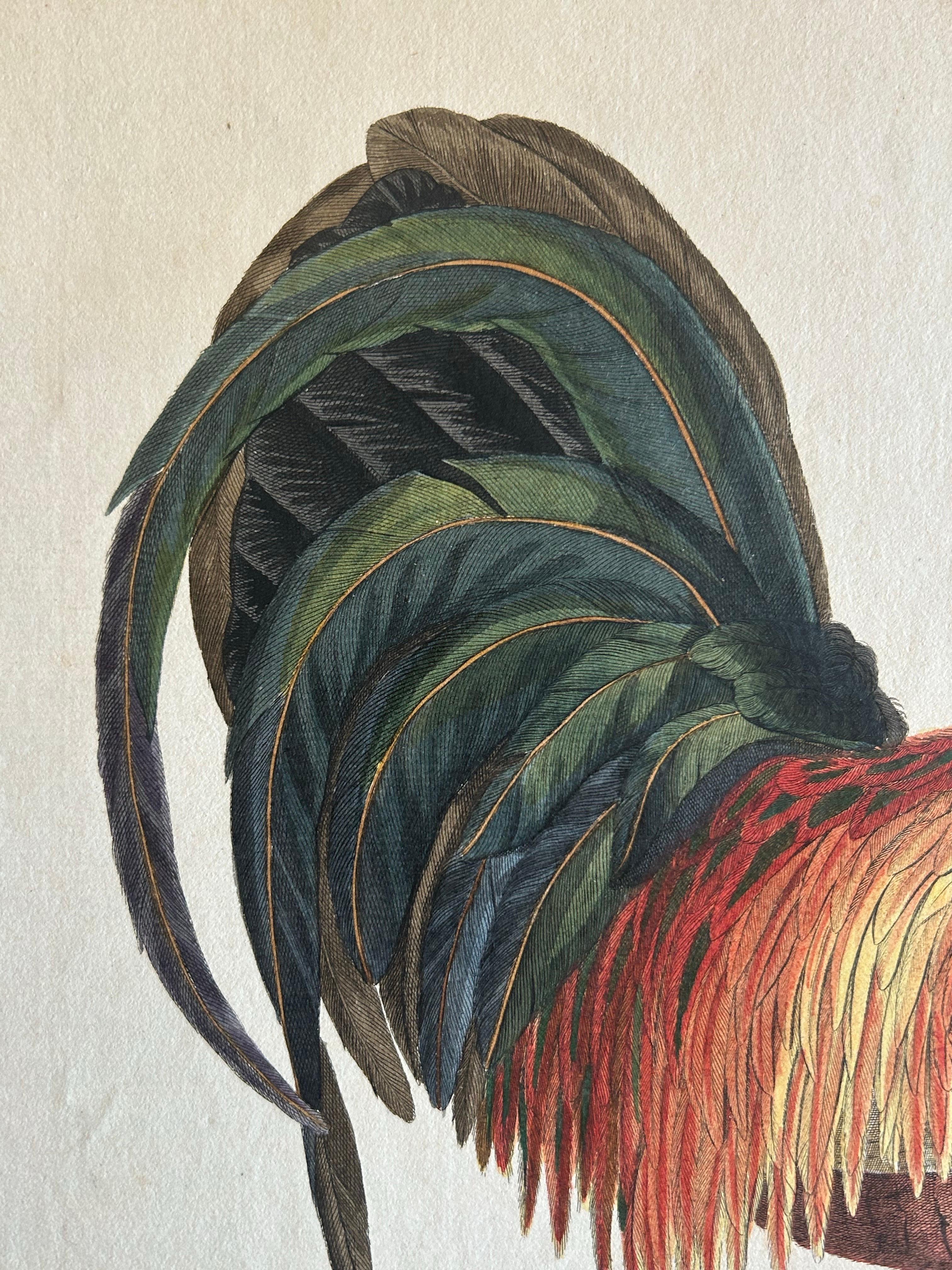
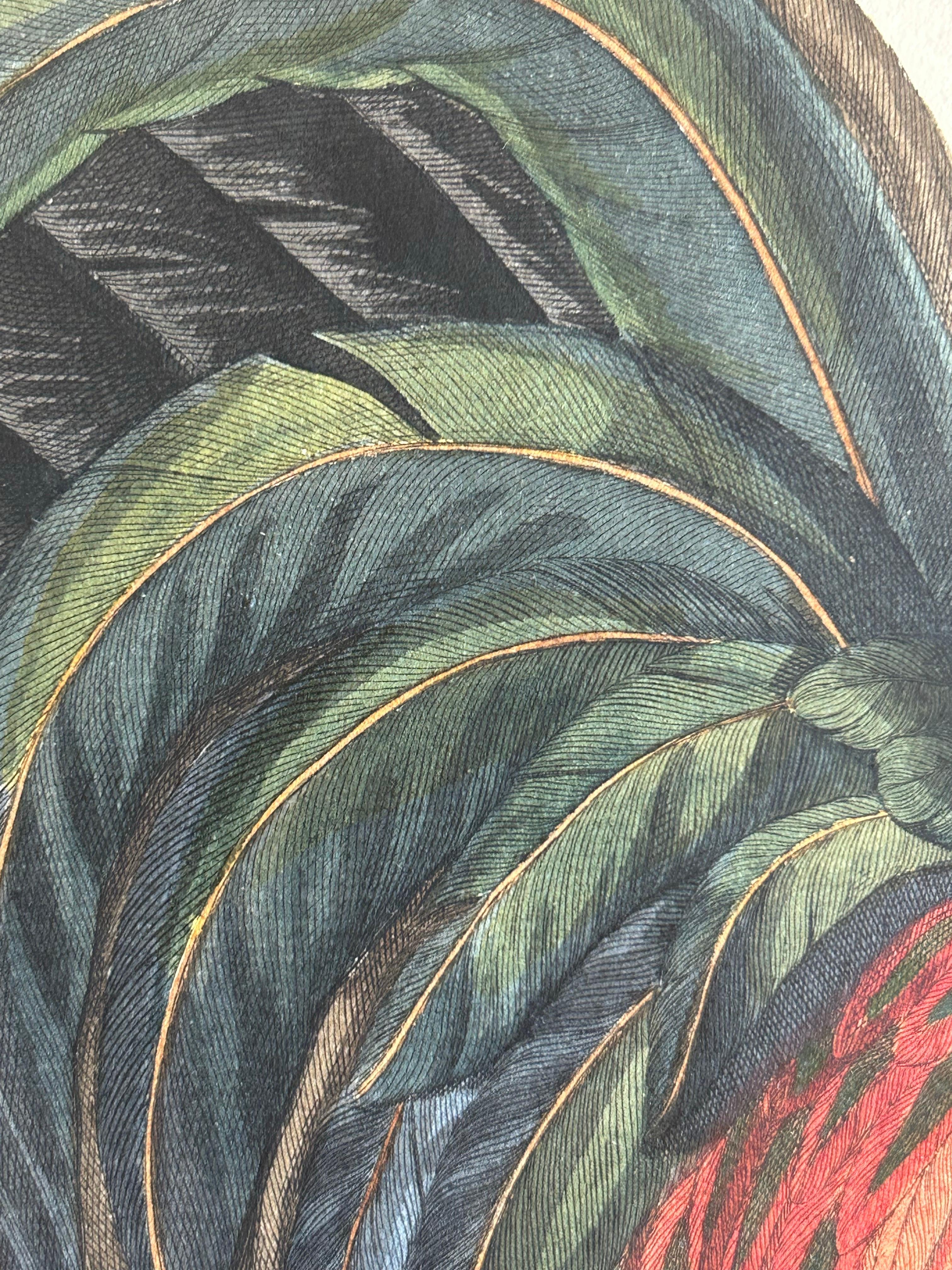
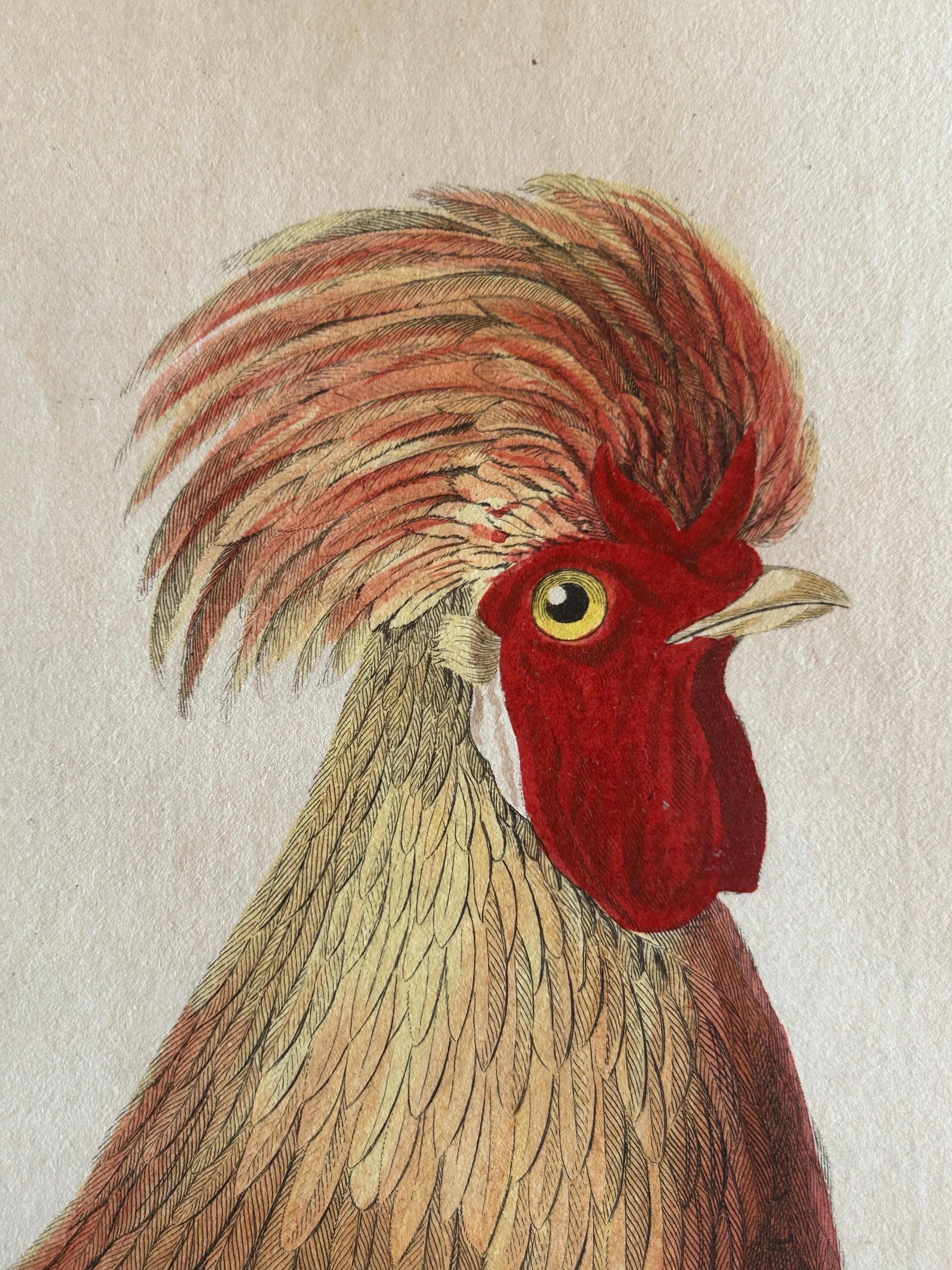
A striking hand-coloured engraving of the domestic rooster (Gallus gallus domesticus), titled in the original Latin as Gallus Domesticus Mas. This vibrant portrayal shows the bird in proud, upright stance, displaying his brilliant plumage—rich coppery reds and golden browns on the neck and saddle, iridescent green-black tail feathers arching elegantly, and a vivid red comb and wattles. The detailing of the feathers, stance, and proportion reflects both the ornamental beauty and the confident nature of the cock, long celebrated as a symbol of watchfulness and rural life.
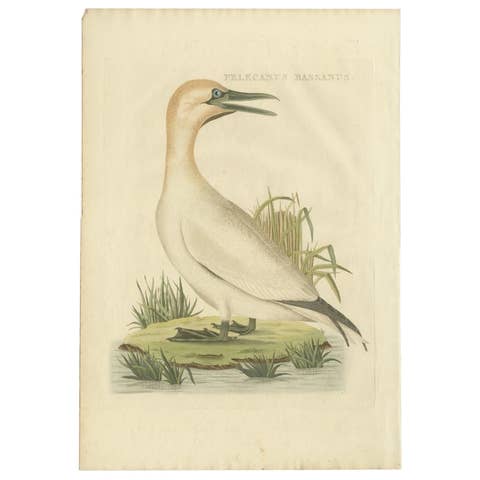
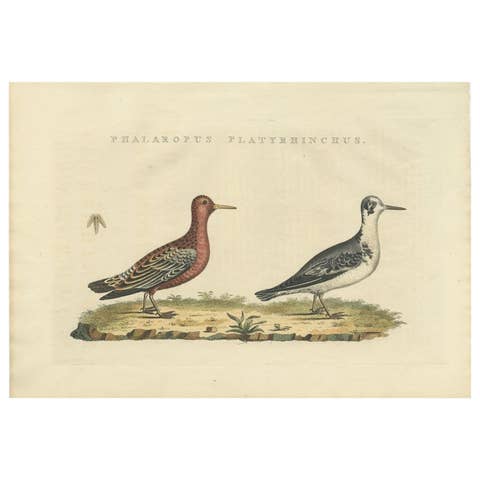
This plate originates from Nederlandsche Vogelen; volgens hunne huisdouding, aert, en eigenschappen beschreeven, published in Amsterdam between 1770 and 1829 by Cornelius Nozeman, Martinus Houttuyn, and Jan Christiaan Sepp. As the first comprehensive ornithological work produced in the Netherlands, it is notable for its scientific accuracy, exceptional artistry, and life-like scale. The engravings from this series are treasured not only as records of bird species but also as artworks that bridge natural history and fine illustration.
Domestic chickens are descendants of the red junglefowl (Gallus gallus) native to Southeast Asia, domesticated thousands of years ago and now the most numerous bird species globally. In 18th- and early 19th-century Europe, roosters were not only farmyard staples but also cultural symbols—appearing in heraldry, folklore, and rural traditions. This detailed engraving preserves both the appearance and the cultural resonance of the bird.
Highly decorative, this plate is particularly appealing for display in kitchens, farmhouses, or rustic interiors, and pairs beautifully with the companion plate of the hen (Gallus Domesticus Foemina) for a complete male-and-female presentation.
The accompanying original Dutch text pages provide rich historical and scientific observations on the species, its behaviour, nesting habits, and physical characteristics, as understood in the late 18th and early 19th centuries.
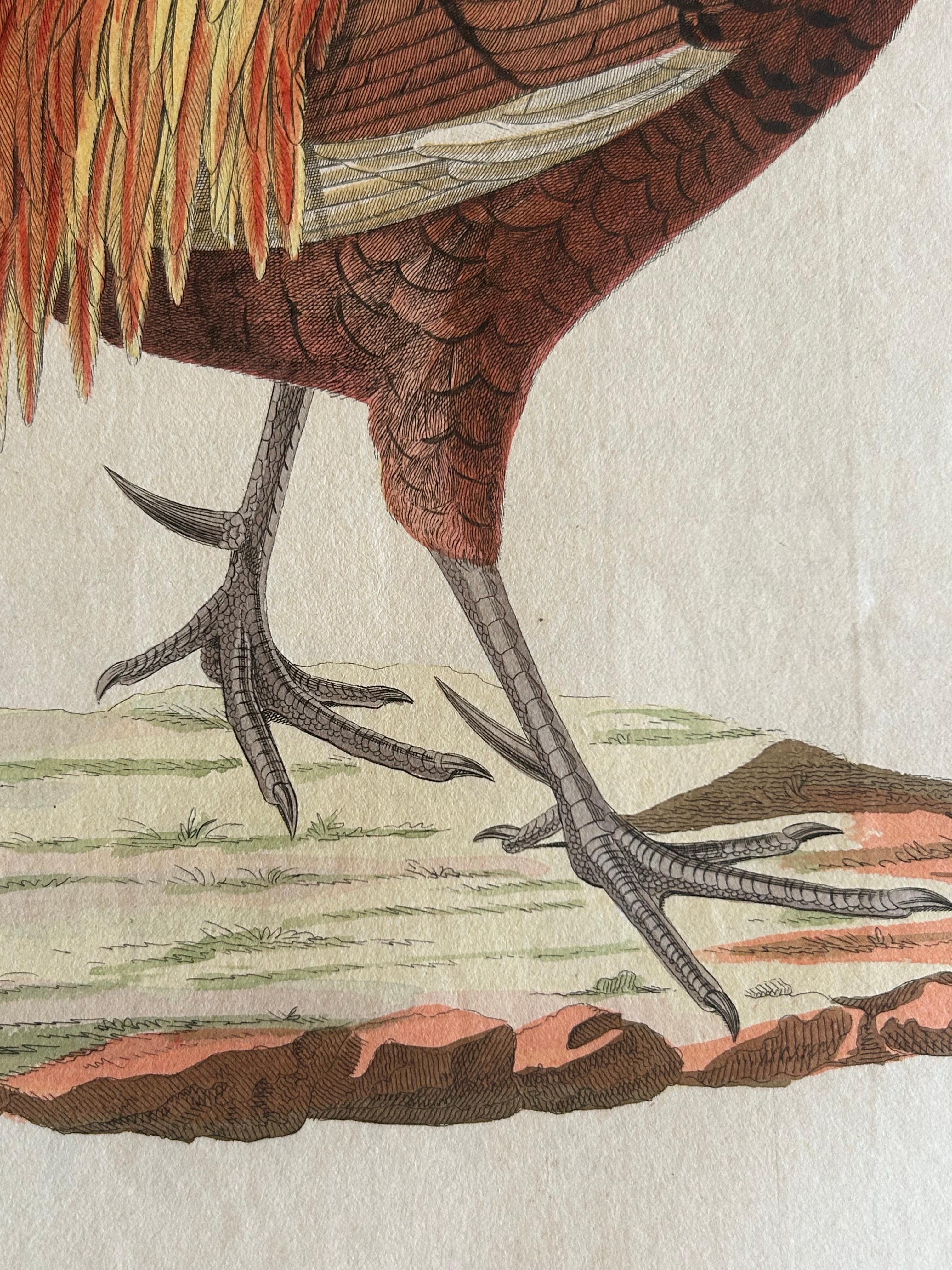
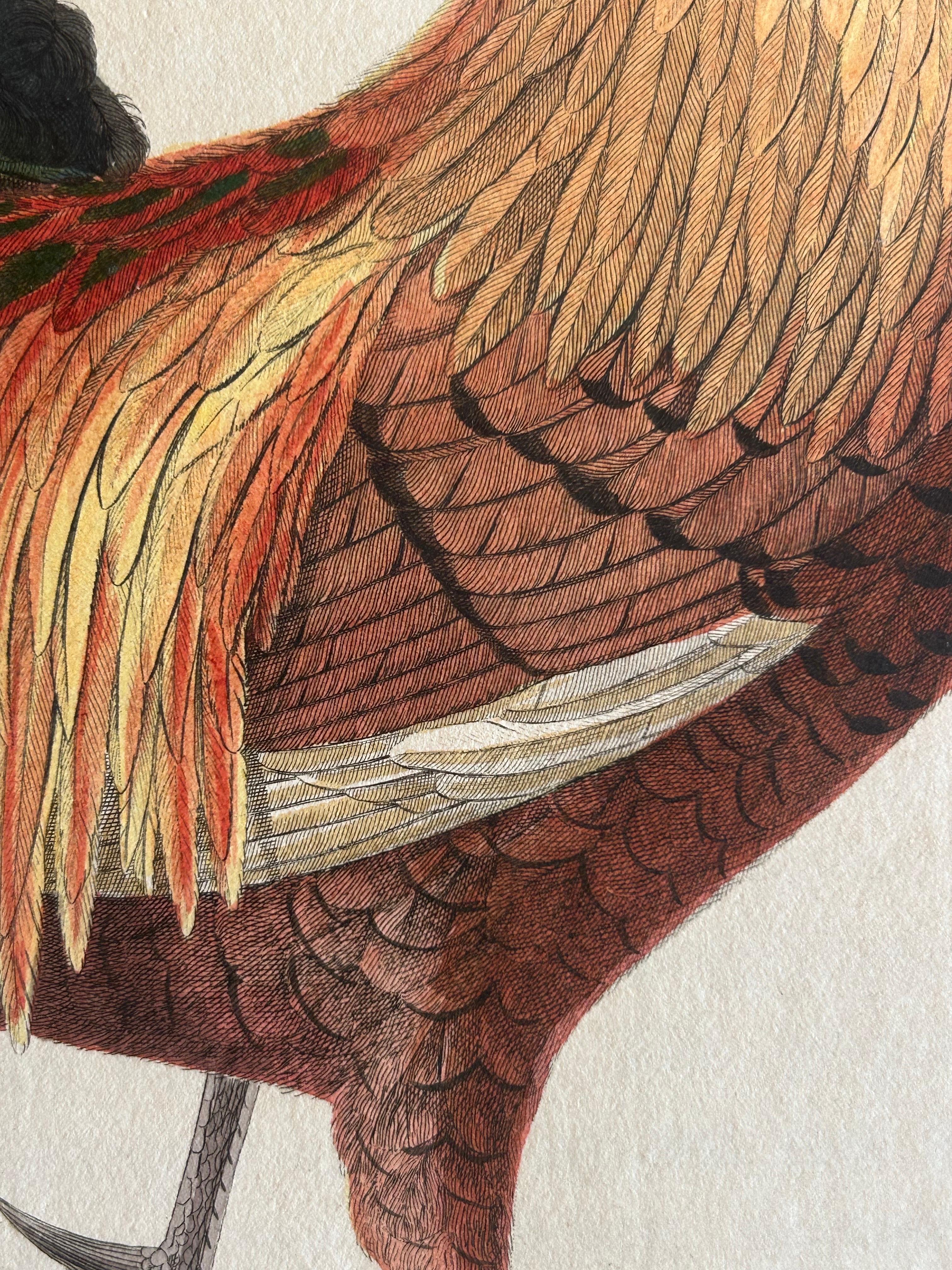
Condition: Very good. Crisp impression with excellent original hand colouring. Clean paper with minor toning at the sheet edges and a few brown spots. Plate mark clearly visible. Text pages have one small hole and three small tears, both in the margins and along the edge.
Framing tips: Best complemented by a warm cream or natural linen mount. For a traditional look, pair with a deep walnut or oak frame; for a bolder style, a black frame with a gold sight line will accentuate the rich colours.