About this sheet
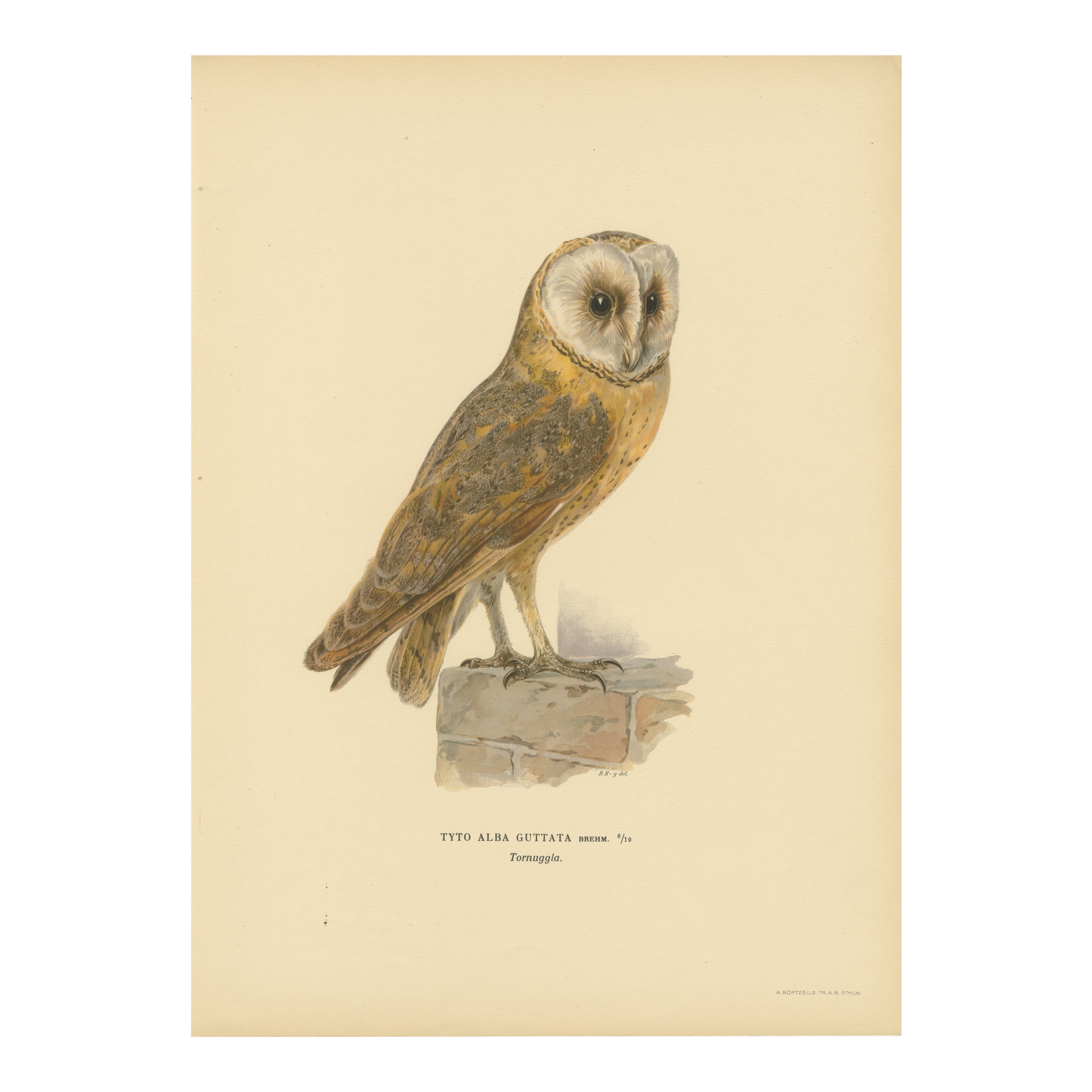
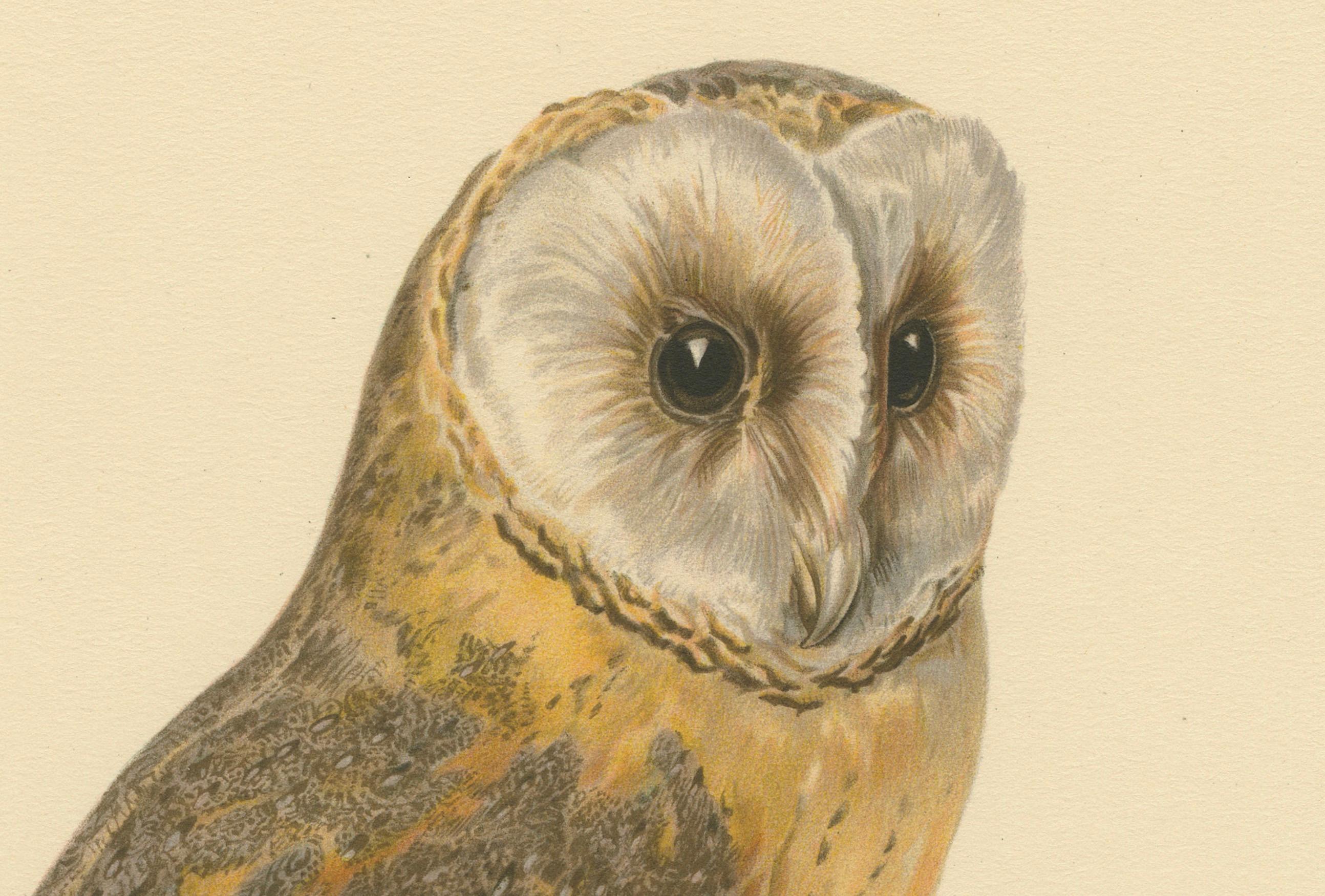
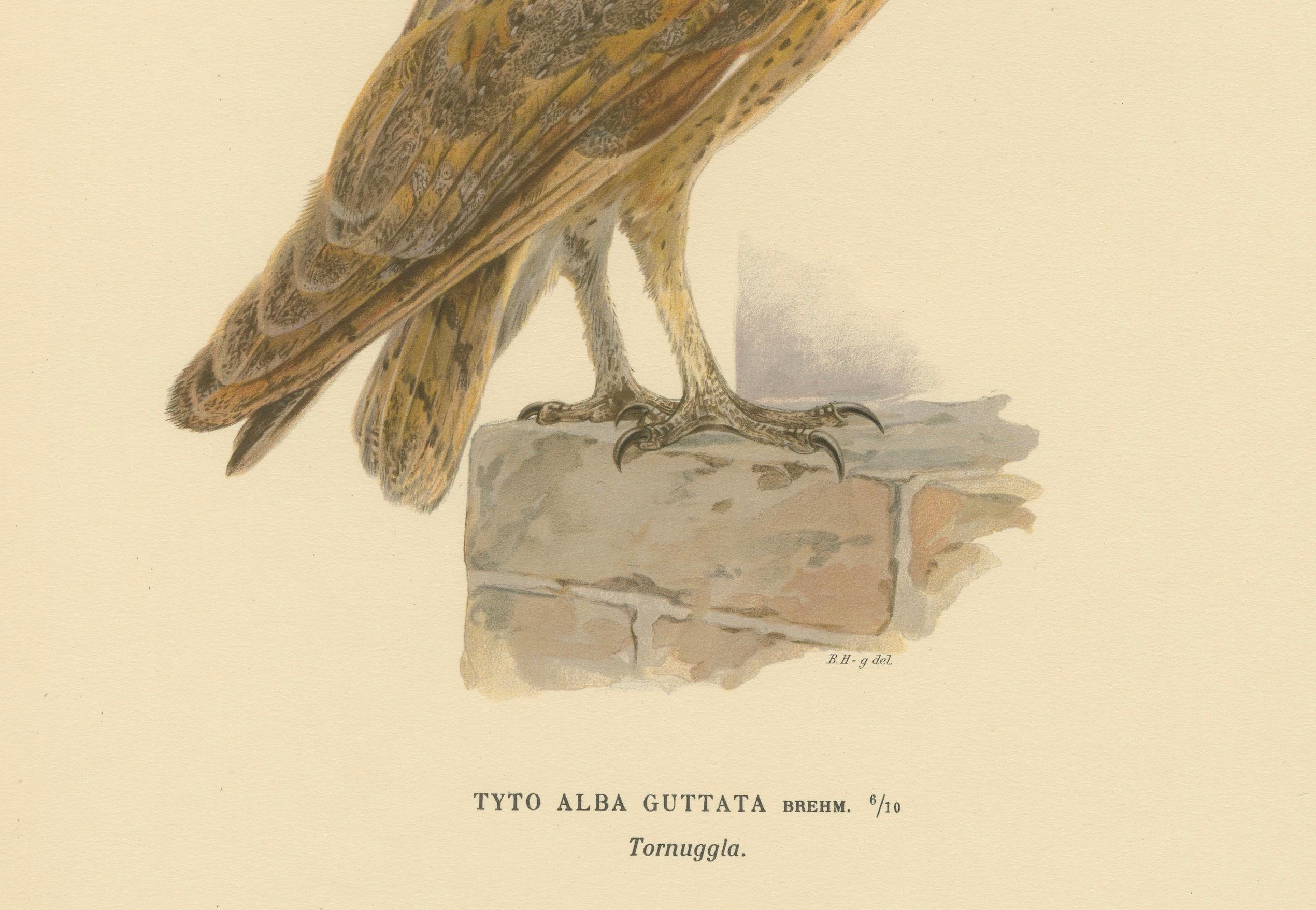
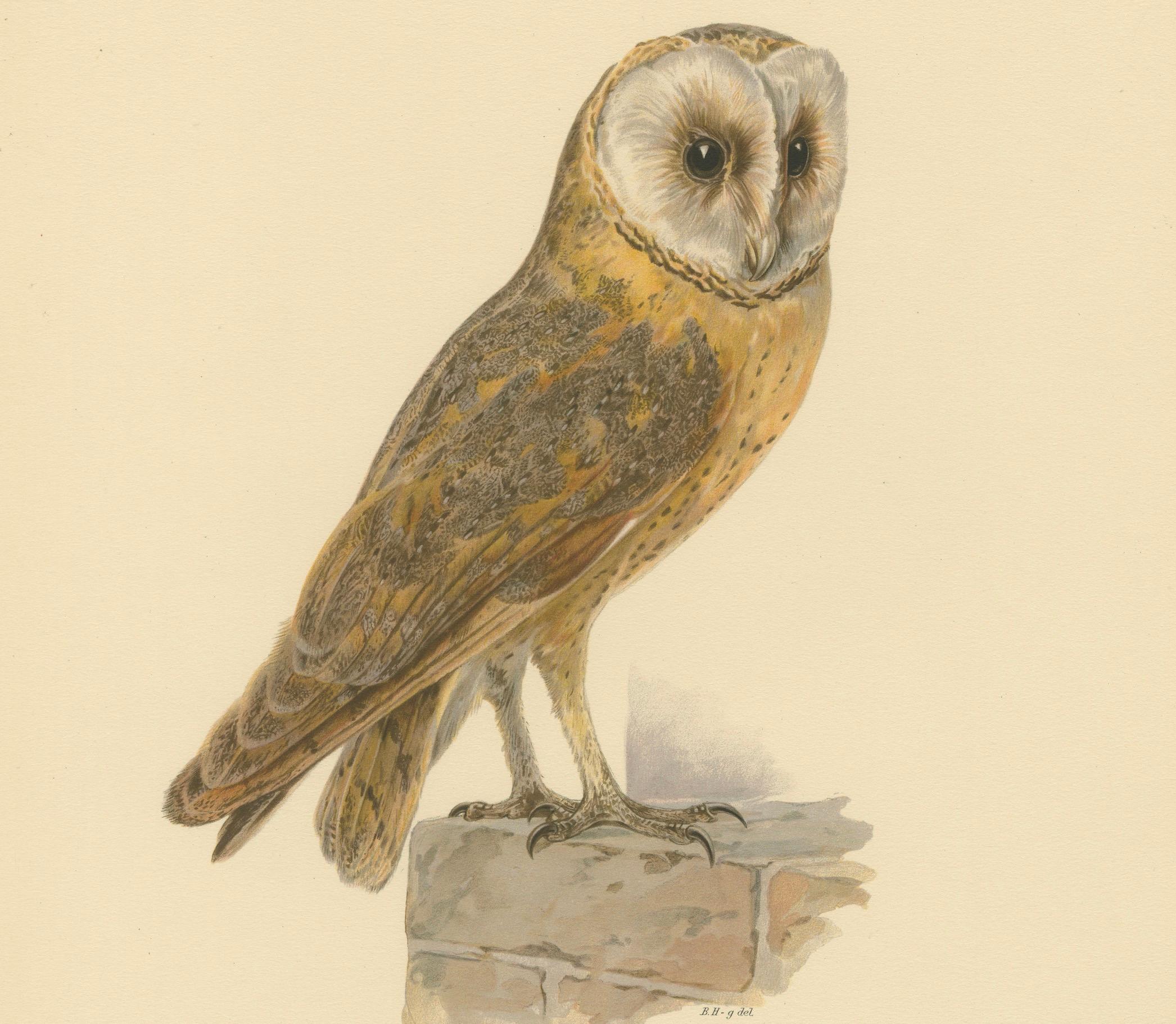
The image depicts an illustration of a bird titled "Tyto Alba Guttata," commonly known as the Barn Owl, from the Swedish work "Svenska fåglar" (Swedish Birds). The artist of this illustration is Magnus von Wright.
The specific bird in the illustration is a subspecies of the Barn Owl, known as the Tyto alba guttata, which can be recognized by its distinct markings and coloration.
Title of the print: Tyto Alba Guttata (Barn Owl)
**Artist:** Magnus von Wright
**Printer:** A. Bortzells Tryckeri
**Work:** Svenska fåglar (Swedish Birds)
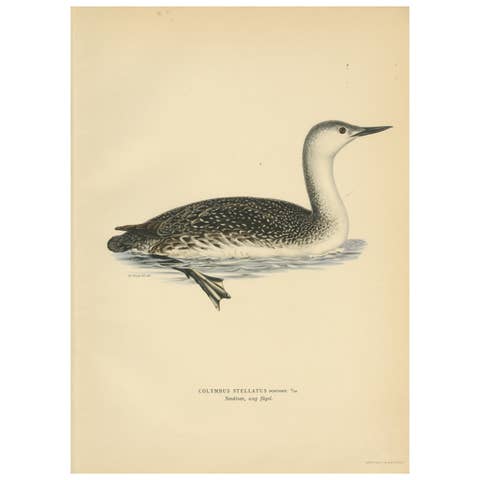
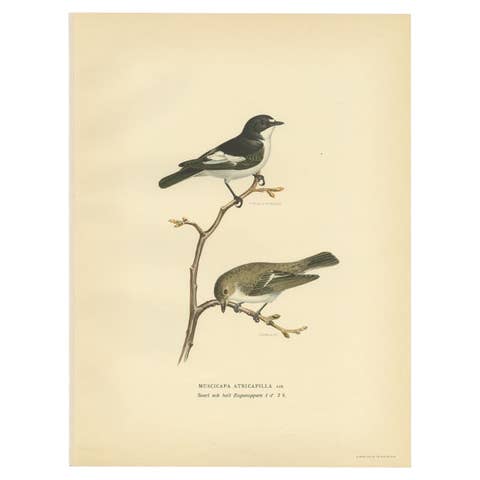
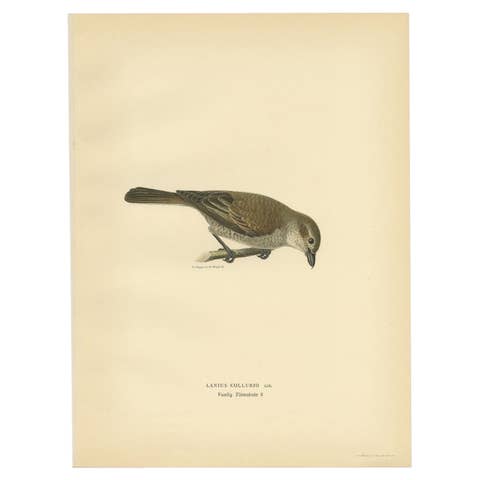
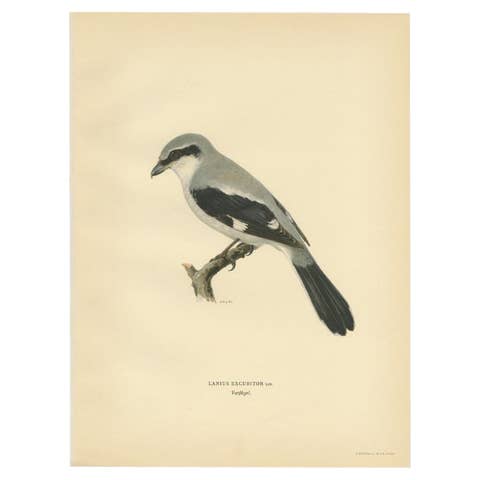
**Medium:** Hand-colored Lithograph
This exquisite hand-colored lithograph by Magnus von Wright, printed by A. Bortzells Tryckeri, depicts the Barn Owl (Tyto alba guttata). The Barn Owl is recognizable by its distinct heart-shaped facial disc, which is pale in color and aids in sound funneling to its ears. The owl's plumage features a blend of golden-brown and grey feathers, speckled with white and black spots, and lighter underparts with a mix of white and buff colors. With a wingspan of 80-95 cm and a weight of 400-700 grams, the Barn Owl presents a somewhat ghostly and captivating appearance.
**Habitat and Distribution:**
The Barn Owl is one of the most widespread birds, found on every continent except Antarctica. It thrives in open habitats such as farmland, grasslands, wetlands, and even suburban areas. Specific regions where Barn Owls are commonly found include:
- **Europe:** Rural areas, farmlands, and sometimes cities.
- **North America:** Open countryside, agricultural areas, and occasionally urban areas.
- **Africa:** Across the continent, excluding dense rainforests and the Sahara Desert.
- **Asia:** Various regions including India, Southeast Asia, and parts of the Middle East.
- **Australia:** Common in diverse habitats across the continent.
Known for its silent flight and exceptional hunting skills, the Barn Owl primarily preys on small mammals such as mice and voles, making it a valuable ally to farmers by controlling rodent populations. This beautiful illustration captures the essence and elegance of the Barn Owl, making it a valuable addition to any ornithological collection.
A. Bortzells -mnetioned at the bottom of the print- is a reference to the lithographic printing company "A. Bortzells Tryckeri," a well-known printing house in Sweden. This company was responsible for printing various high-quality illustrations and publications in the 19th and early 20th centuries. In this context, it indicates that the illustration of the Barn Owl (Tyto alba guttata) was printed by A. Bortzells Tryckeri.