About this sheet
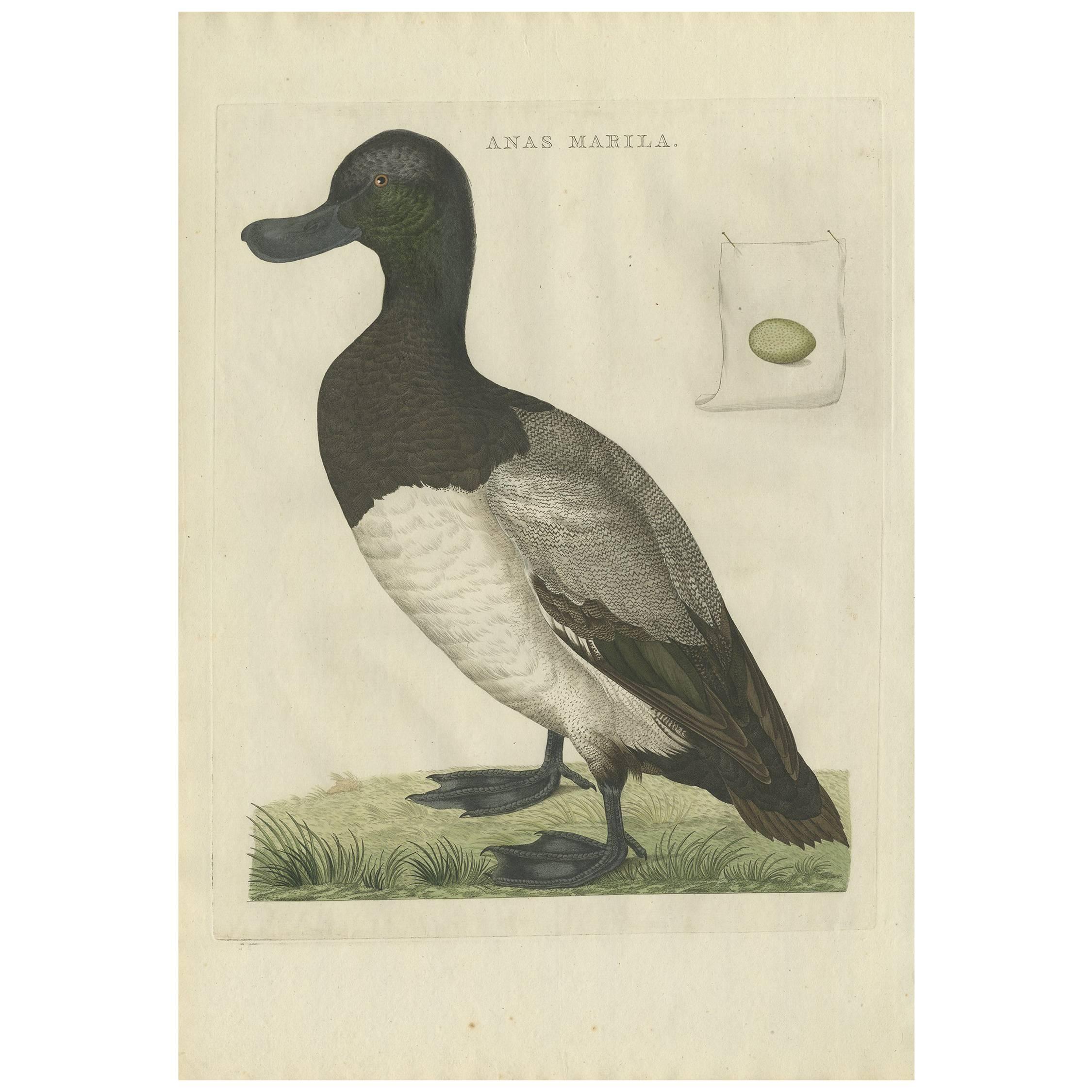
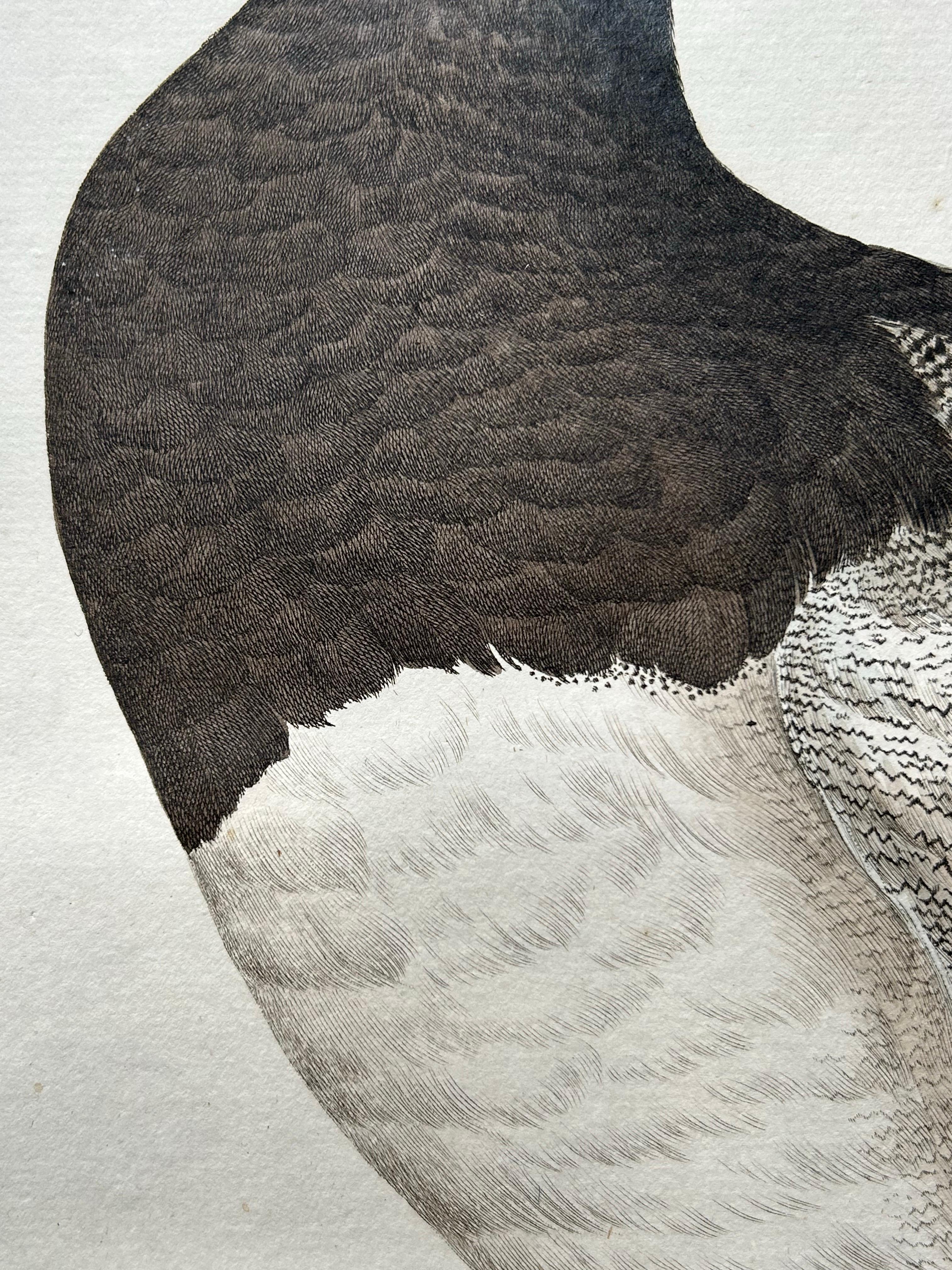
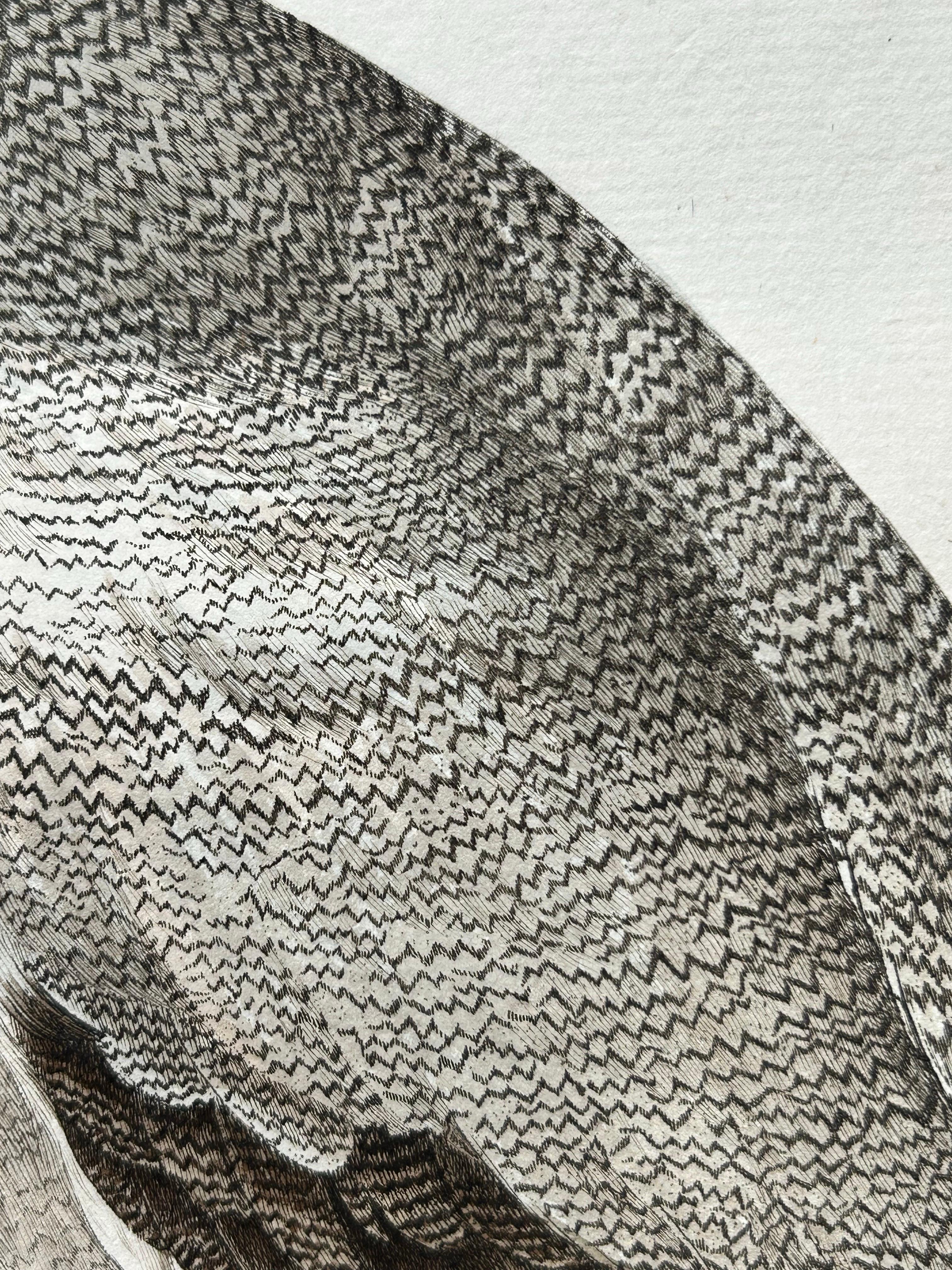
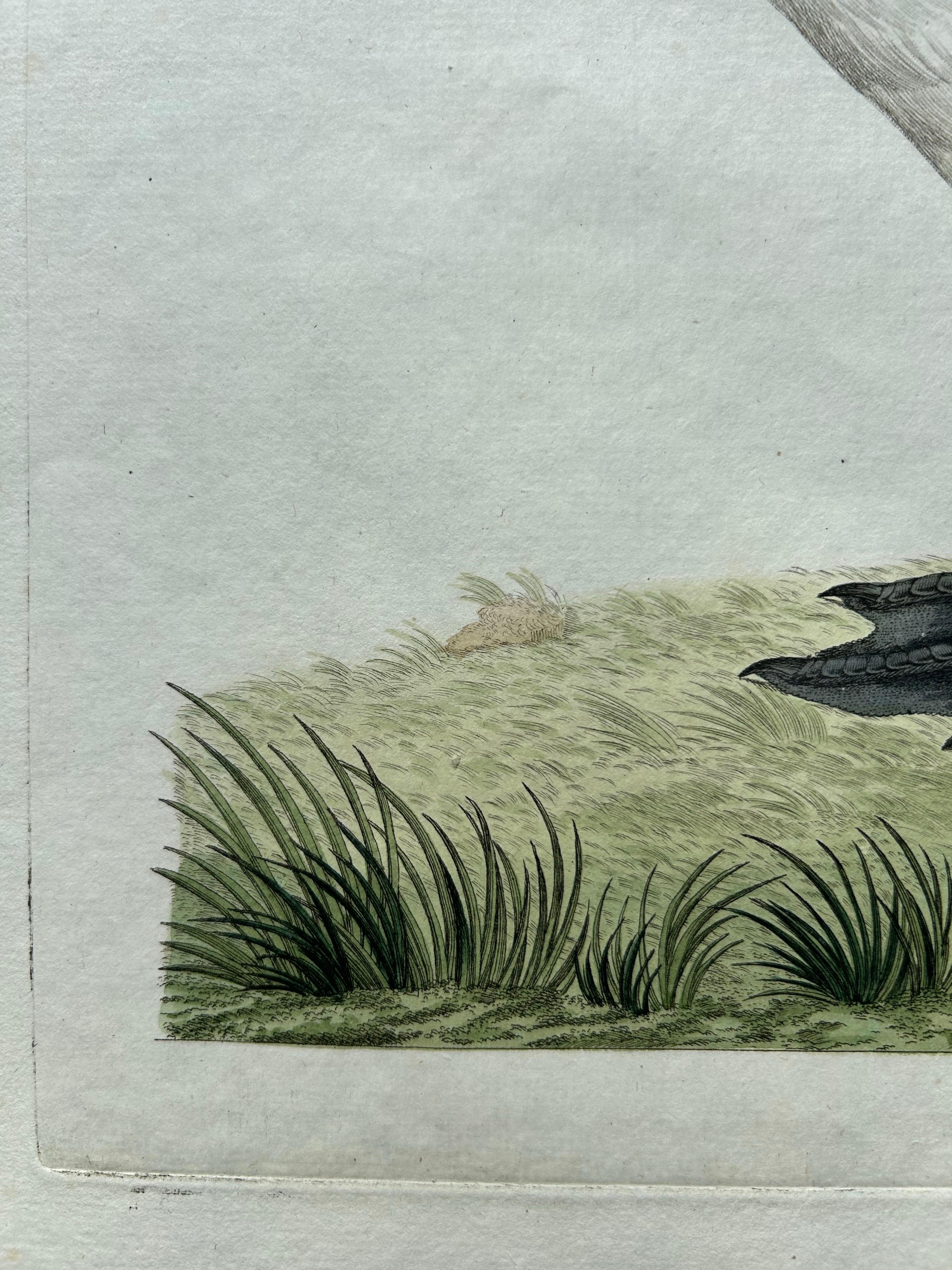
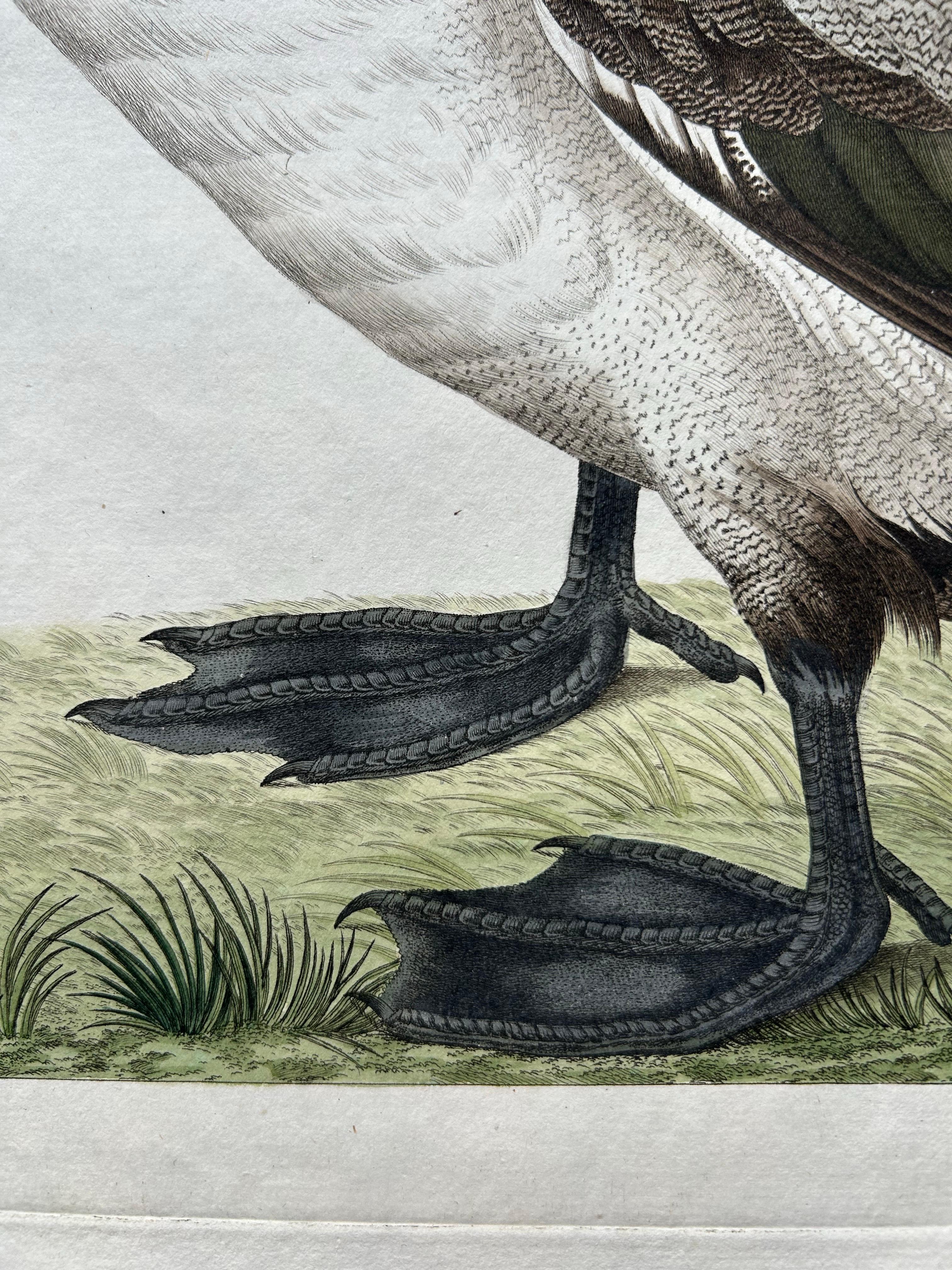
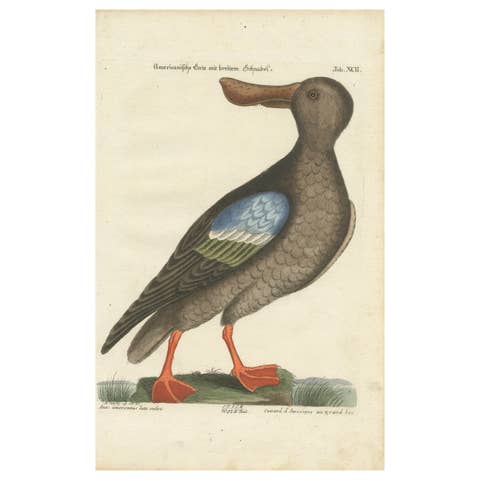
Greater Scaup – Antique Bird Engraving Anas Marila by Nozeman and Sepp, 1770
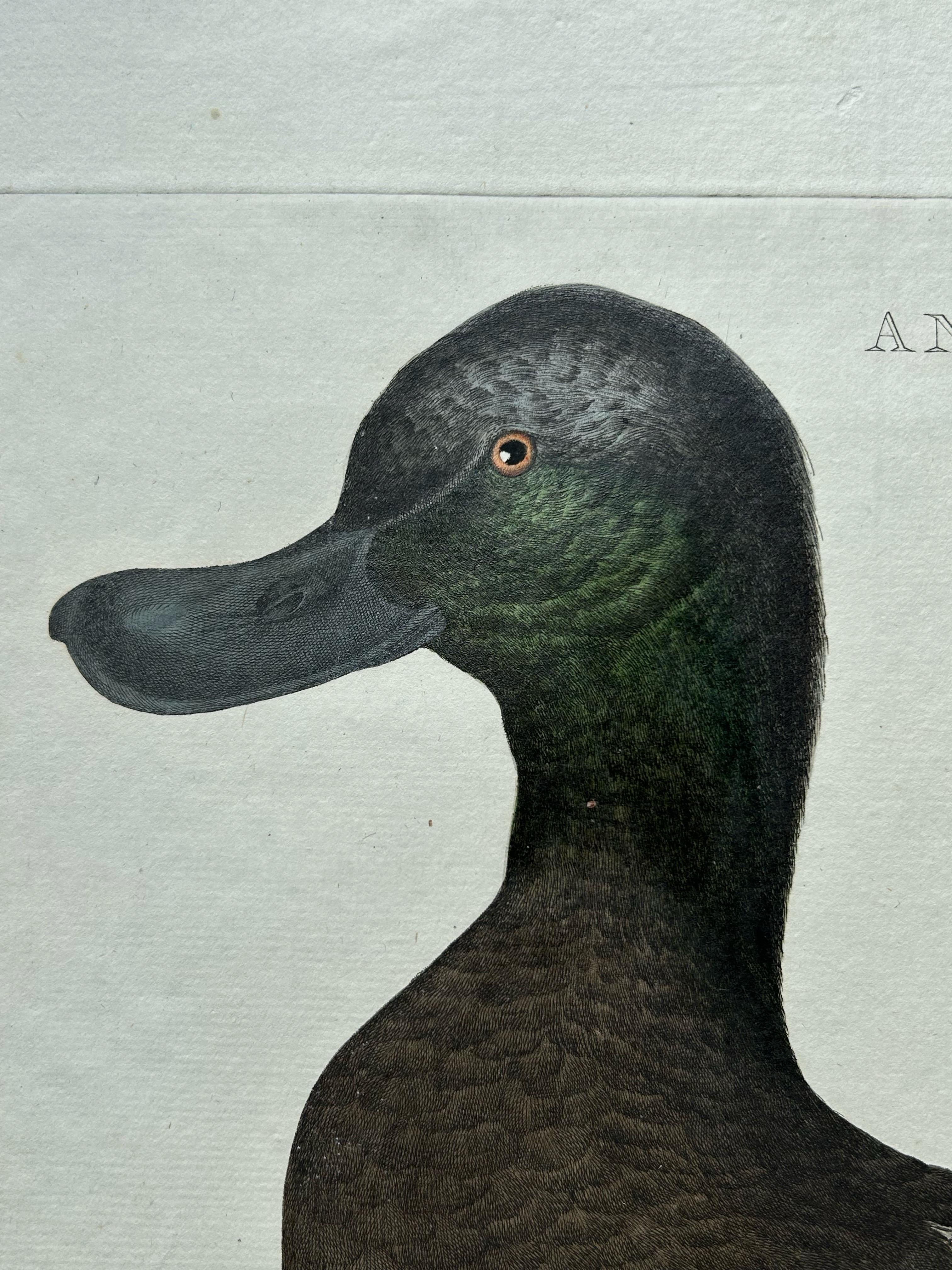
This antique hand-colored copperplate engraving, titled ‘Anas Marila’, depicts the greater scaup (Aythya marila), a distinctive diving duck known in Europe simply as the scaup and in North America often called the “bluebill.” With its rounded head, strong bill, and striking plumage, the greater scaup is slightly larger than its close relative, the lesser scaup. It breeds in the northernmost reaches of Europe, Siberia, Alaska, and northern Canada, where it favors tundra lakes and wetlands. In winter, vast flocks migrate south to coastal waters, ranging along the Atlantic and Pacific shores of North America, as well as European and Japanese coasts, where their diving habits and preference for mollusks and aquatic plants make them a familiar sight.
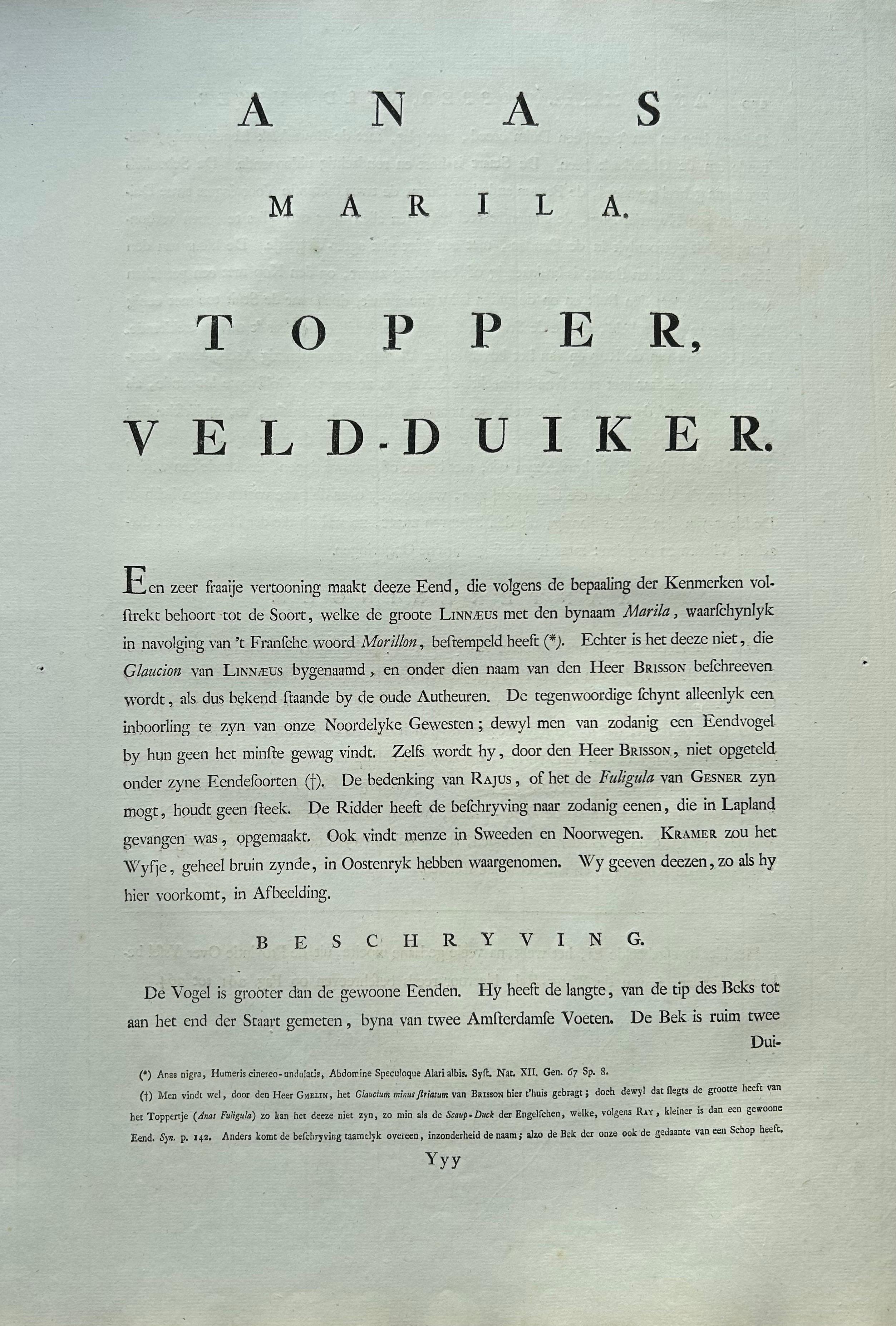
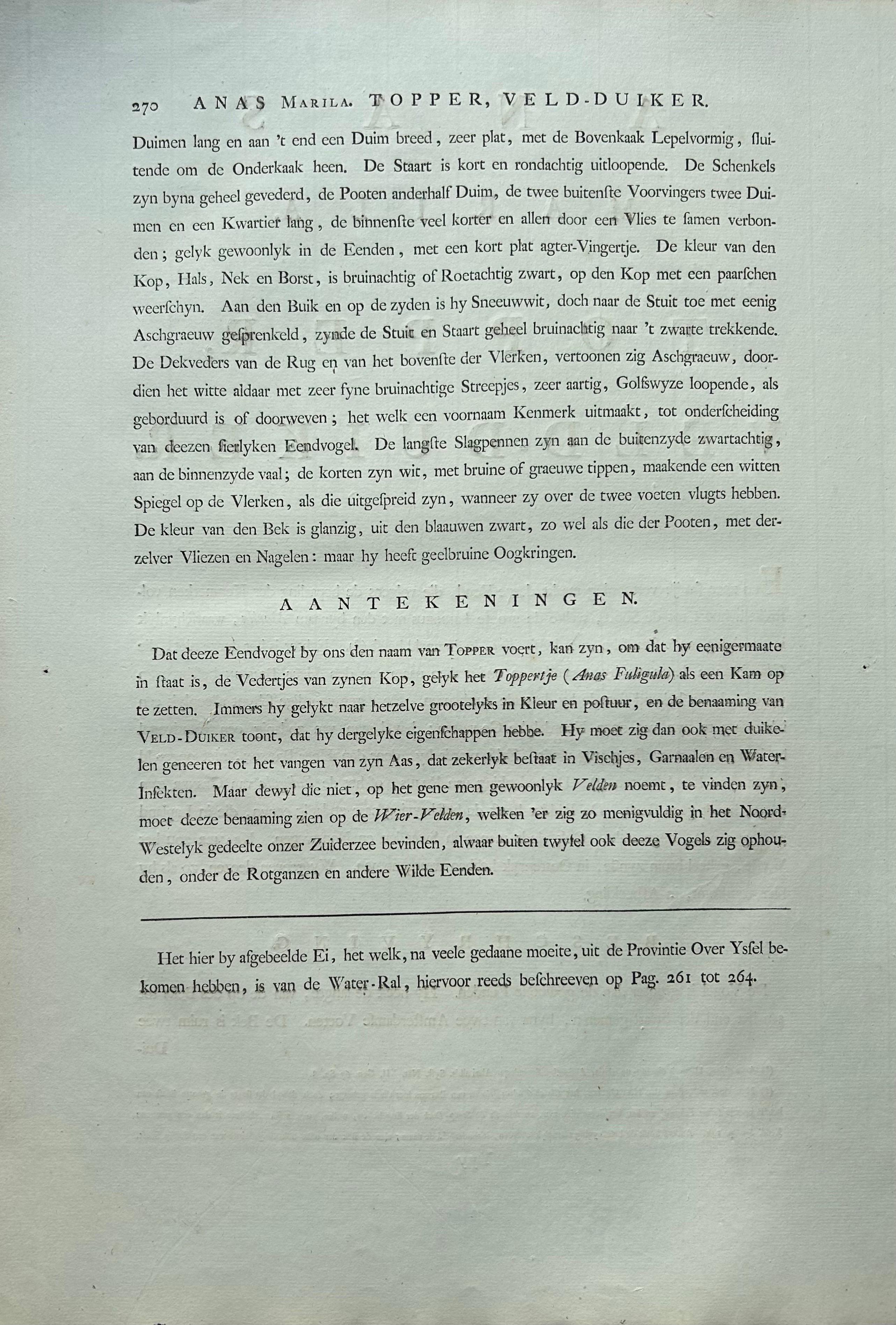
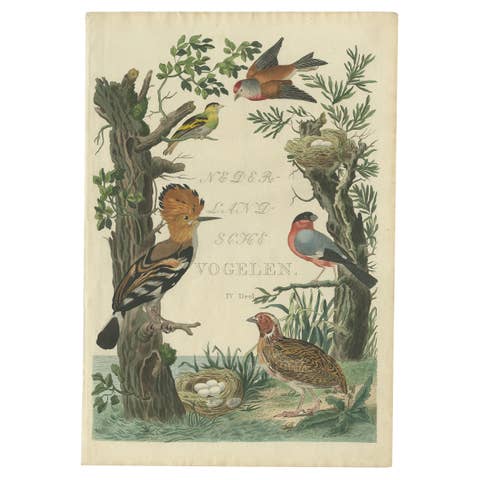
The engraving originates from Nederlandsche Vogelen; volgens hunne huishouding, aert, en eigenschappen beschreeven (Amsterdam, 1770–1829), the first monumental ornithological study published in the Netherlands. Initiated by Cornelis Nozeman and Martinus Houttuyn and illustrated and published by the Sepp family, the series aimed to describe and depict all known native birds of the Netherlands. Each plate shows the bird close to life-size in its natural environment, often with accompanying details such as eggs or alternate views. The accompanying original Dutch text pages (included here) with Dutch names "topper, veld-duiker" noted. The pages offer detailed observations on the bird’s physical characteristics, habits, and environment, making the work invaluable both for ornithology and for natural history illustration.
The greater scaup is an especially interesting subject, as it is among the few diving ducks with a truly circumpolar breeding distribution. Its common name derives from the bird’s preference for feeding on mussel beds, historically called “scalp” in English dialects. The name Anas marila is an early scientific designation, reflecting the bird’s recognition by naturalists across Europe.
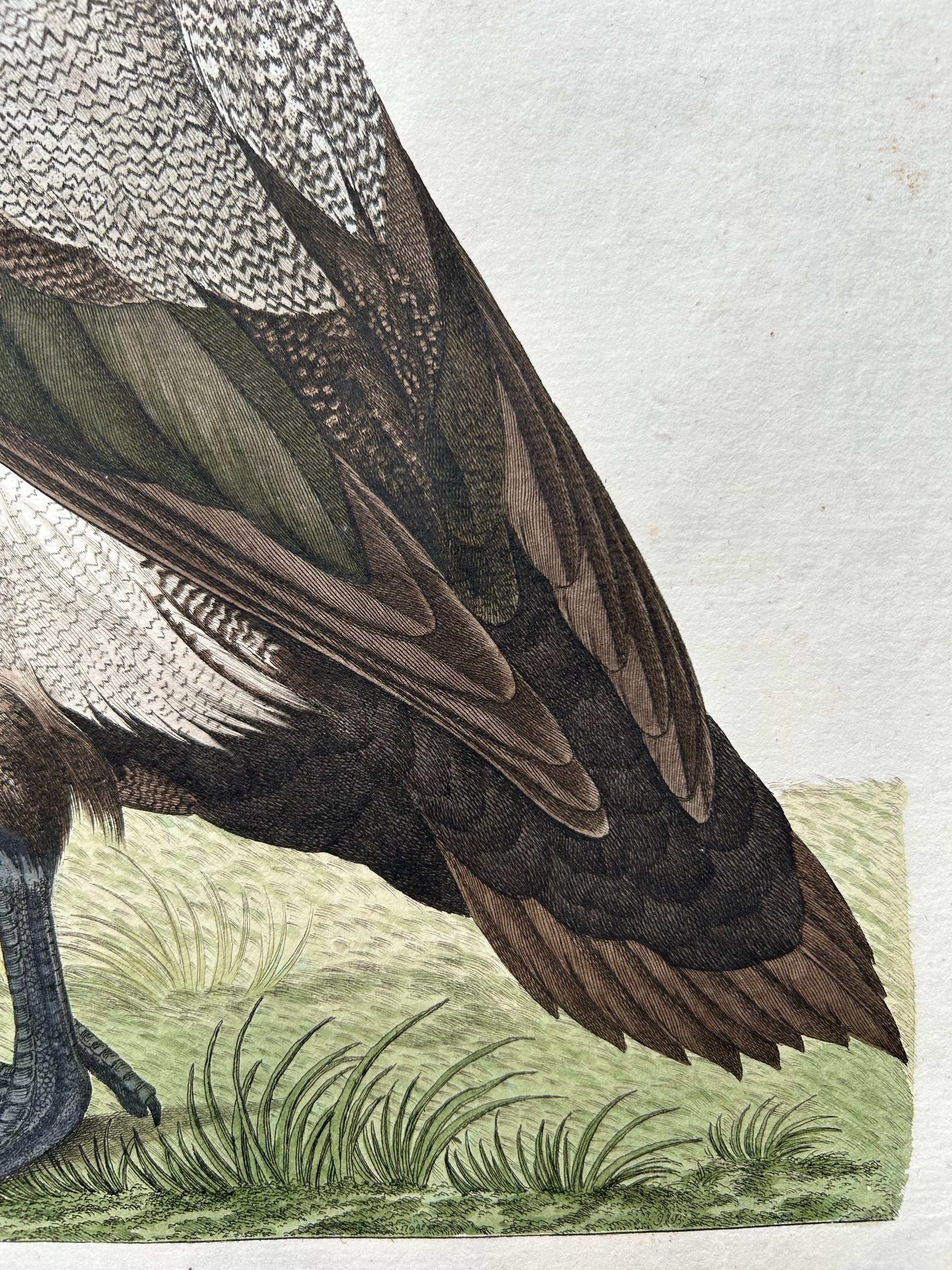
Condition: Very good. Original hand-coloring well-preserved with rich detail. Minor toning and light age spots consistent with 18th-century laid paper. Wide margins remain intact, with accompanying original text pages in strong impression and mild toning.
Framing tips: This engraving would present beautifully in a dark wood or walnut frame, paired with a cream or pale blue mount to complement the duck’s plumage. A gilt inner edge would add refinement and highlight the scientific artistry of the piece.