About this sheet
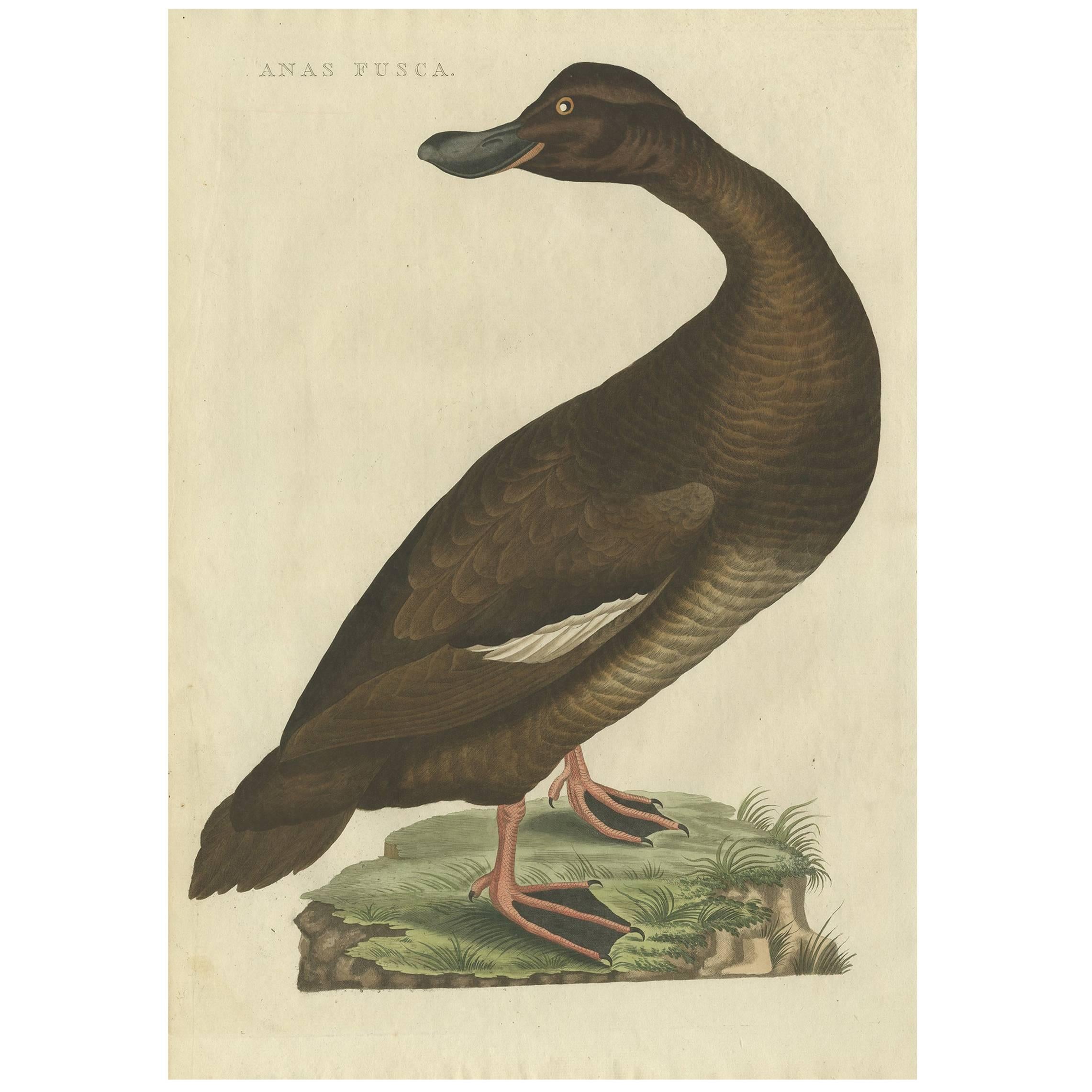
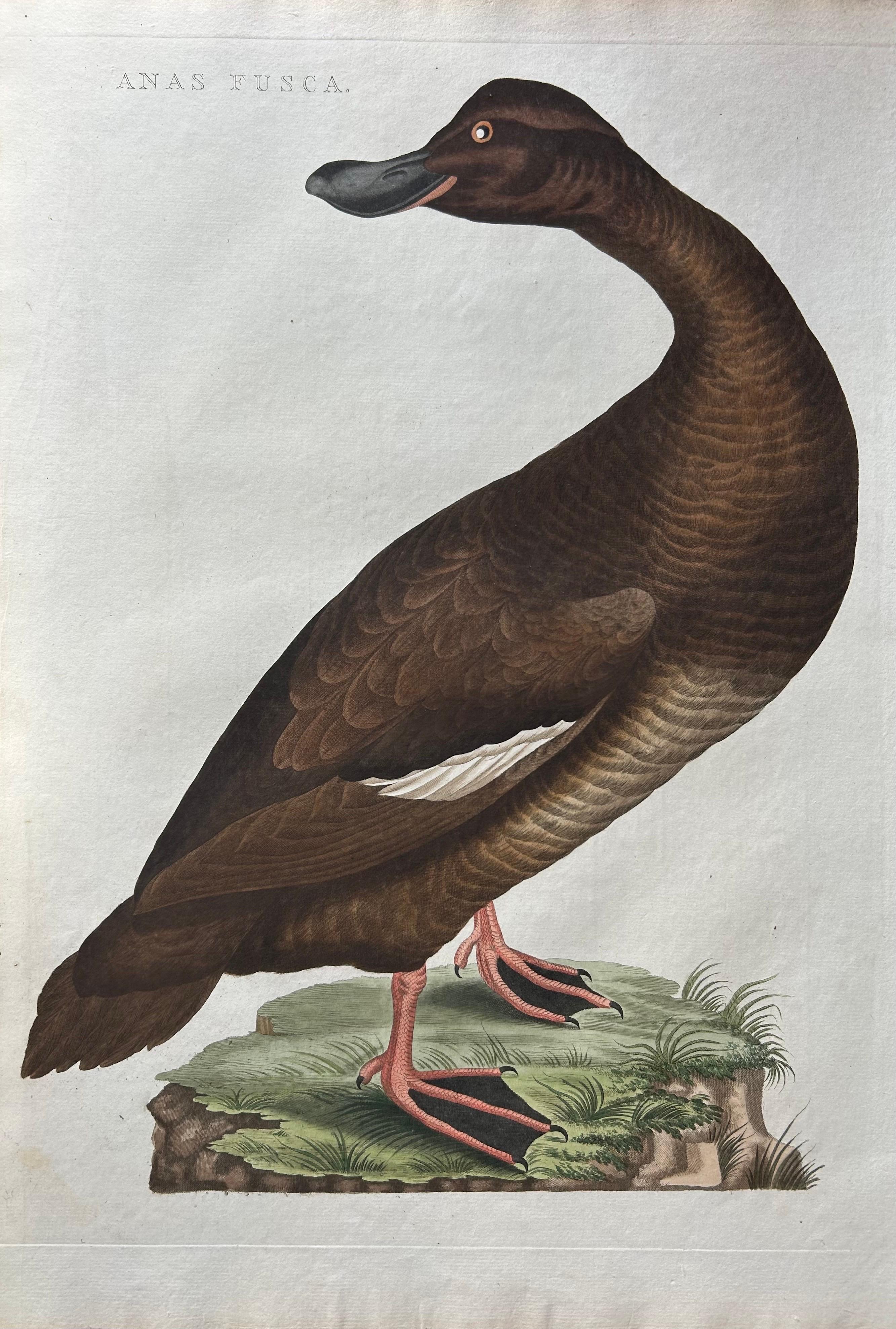
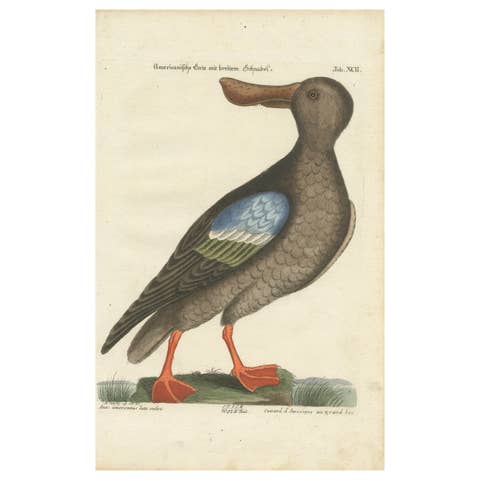
Antique Bird Print – Velvet Scoter Anas Fusca by Nozeman & Sepp, 1770
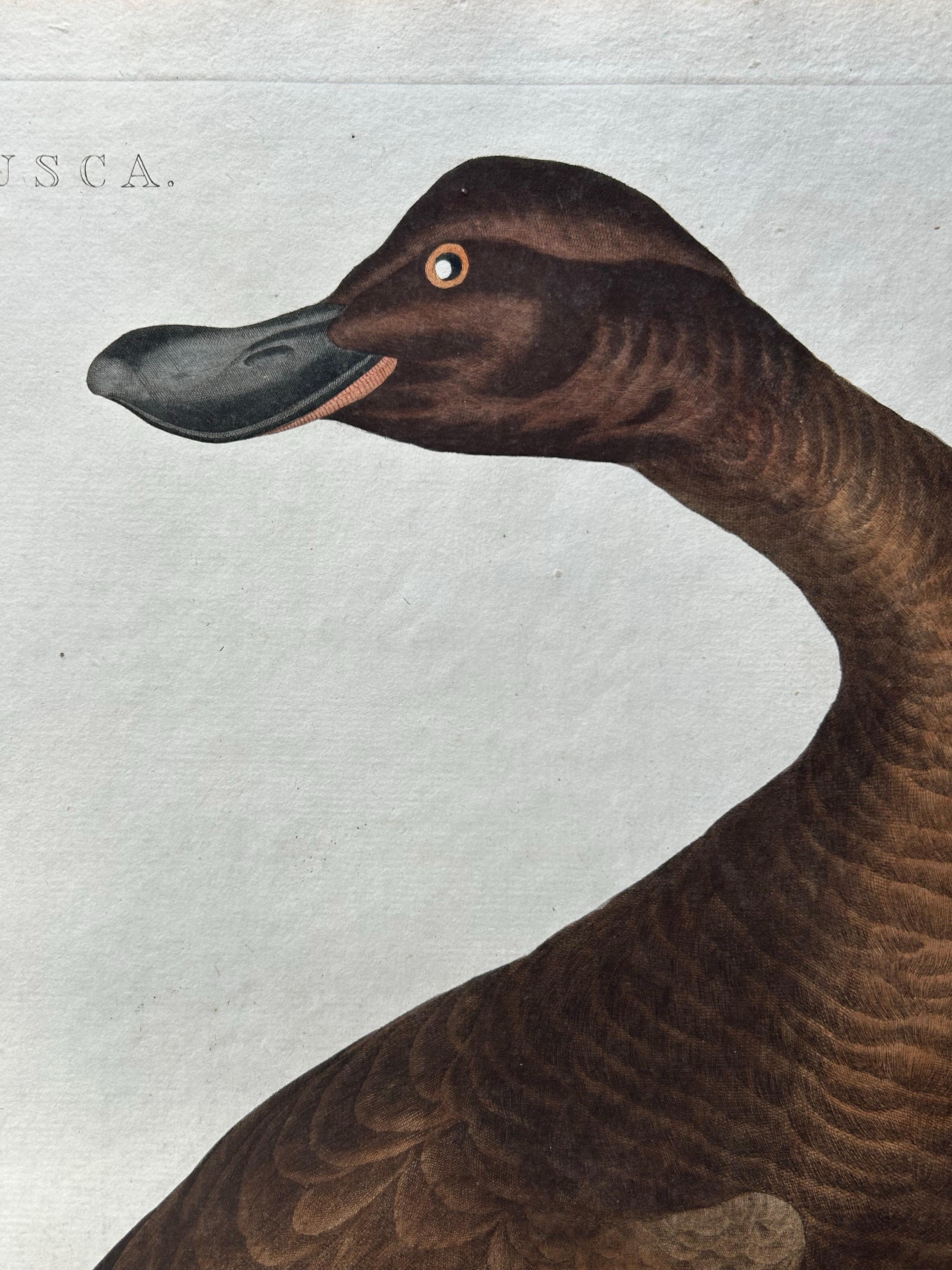
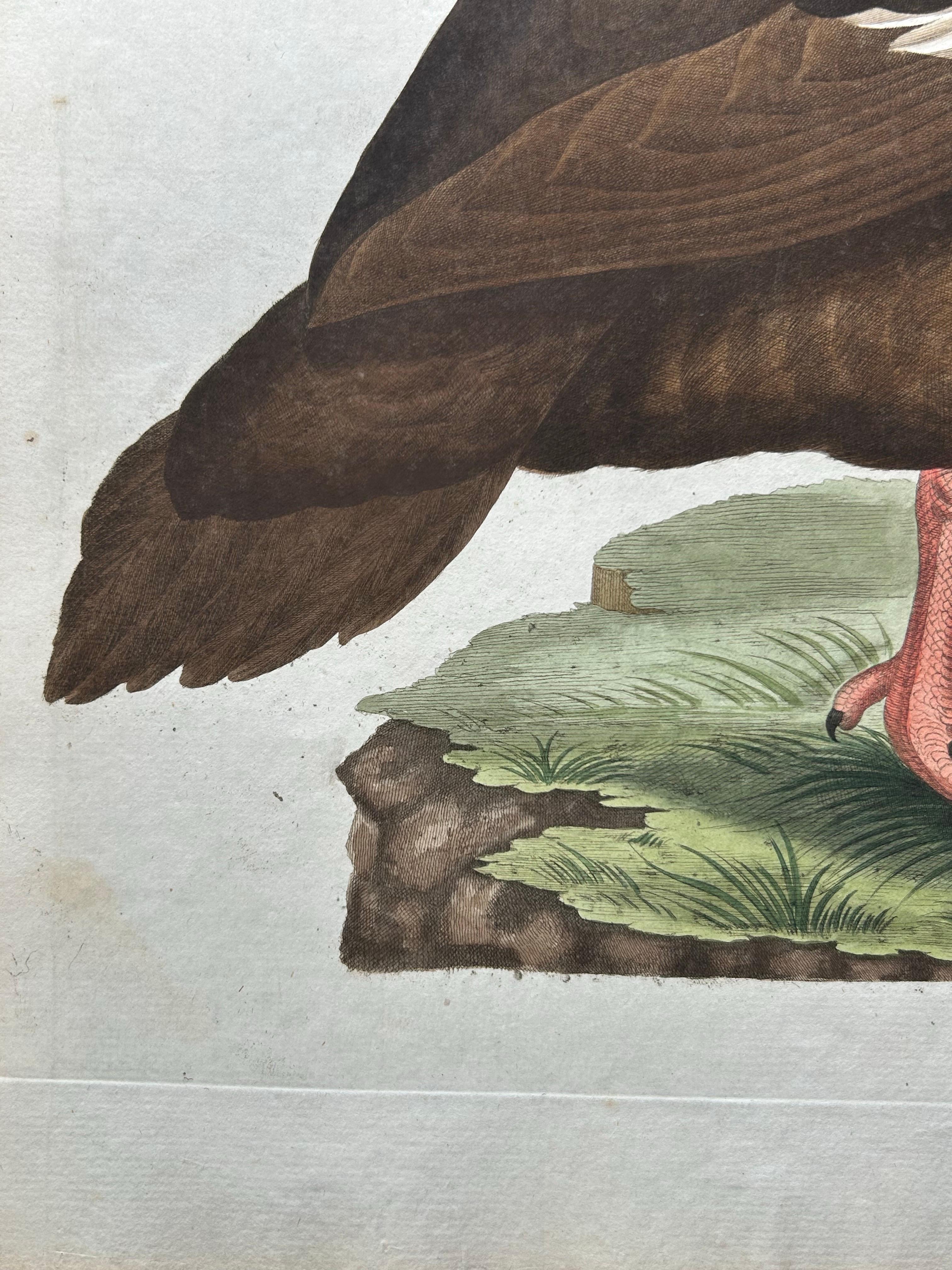
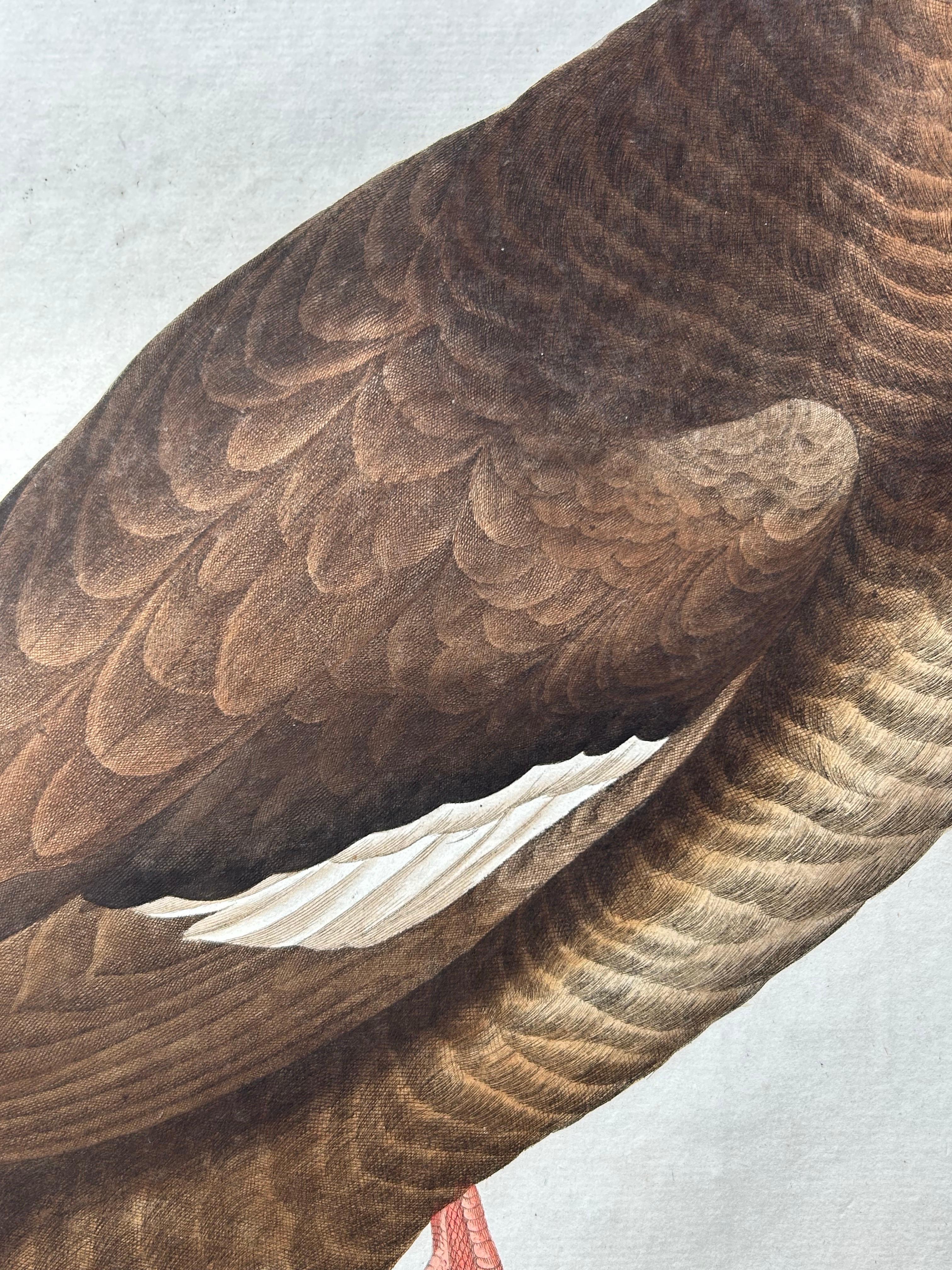
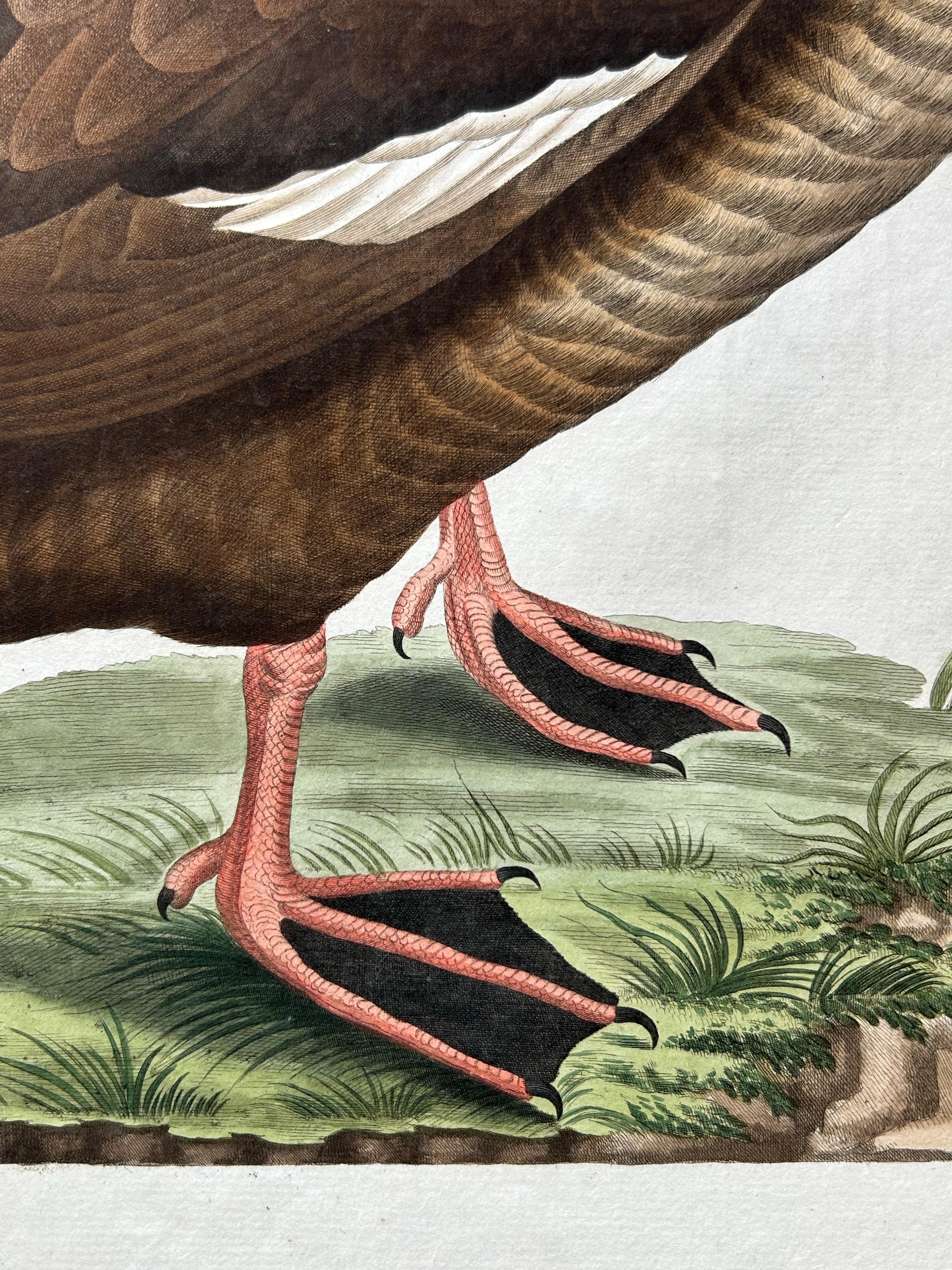
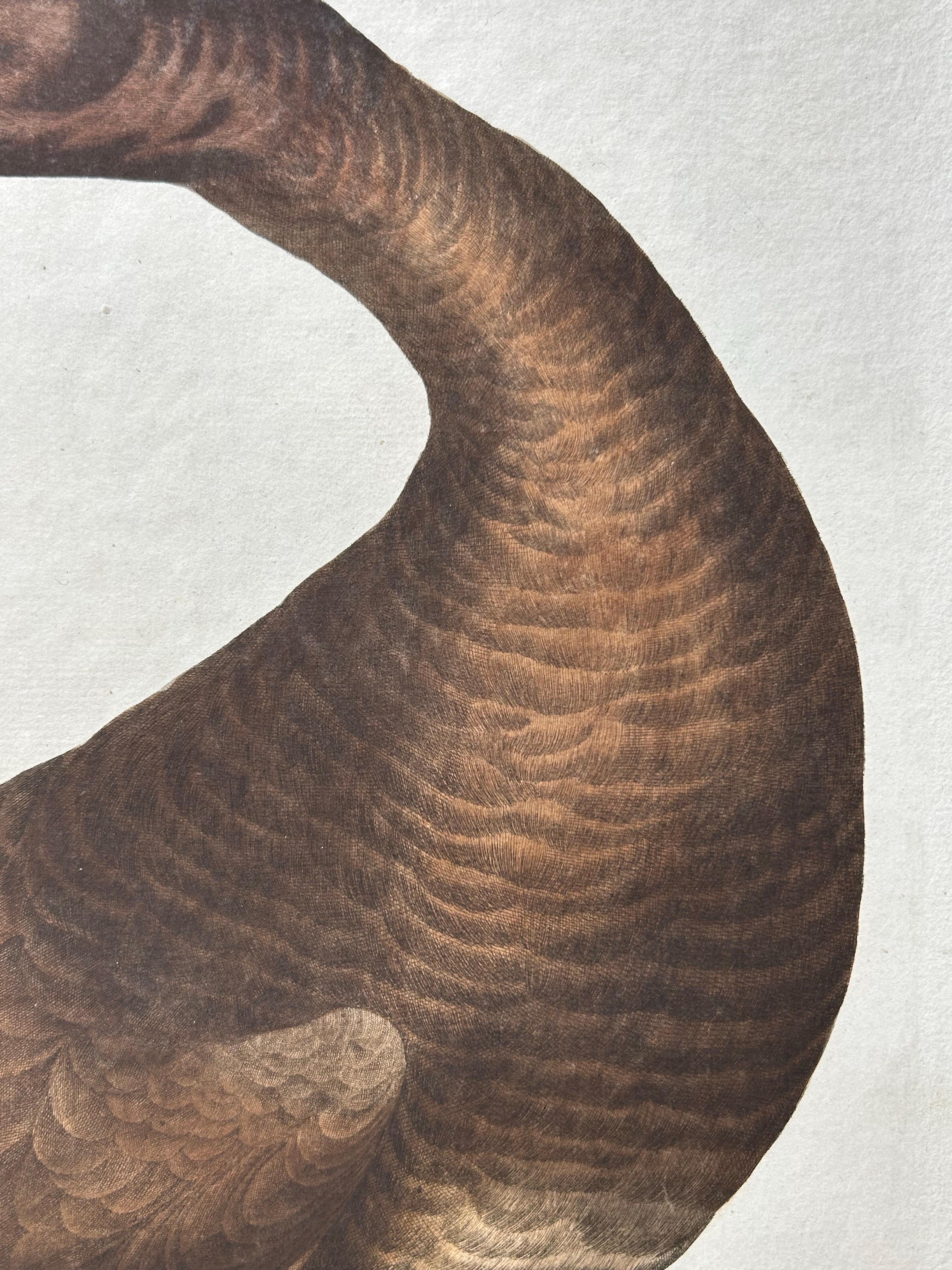
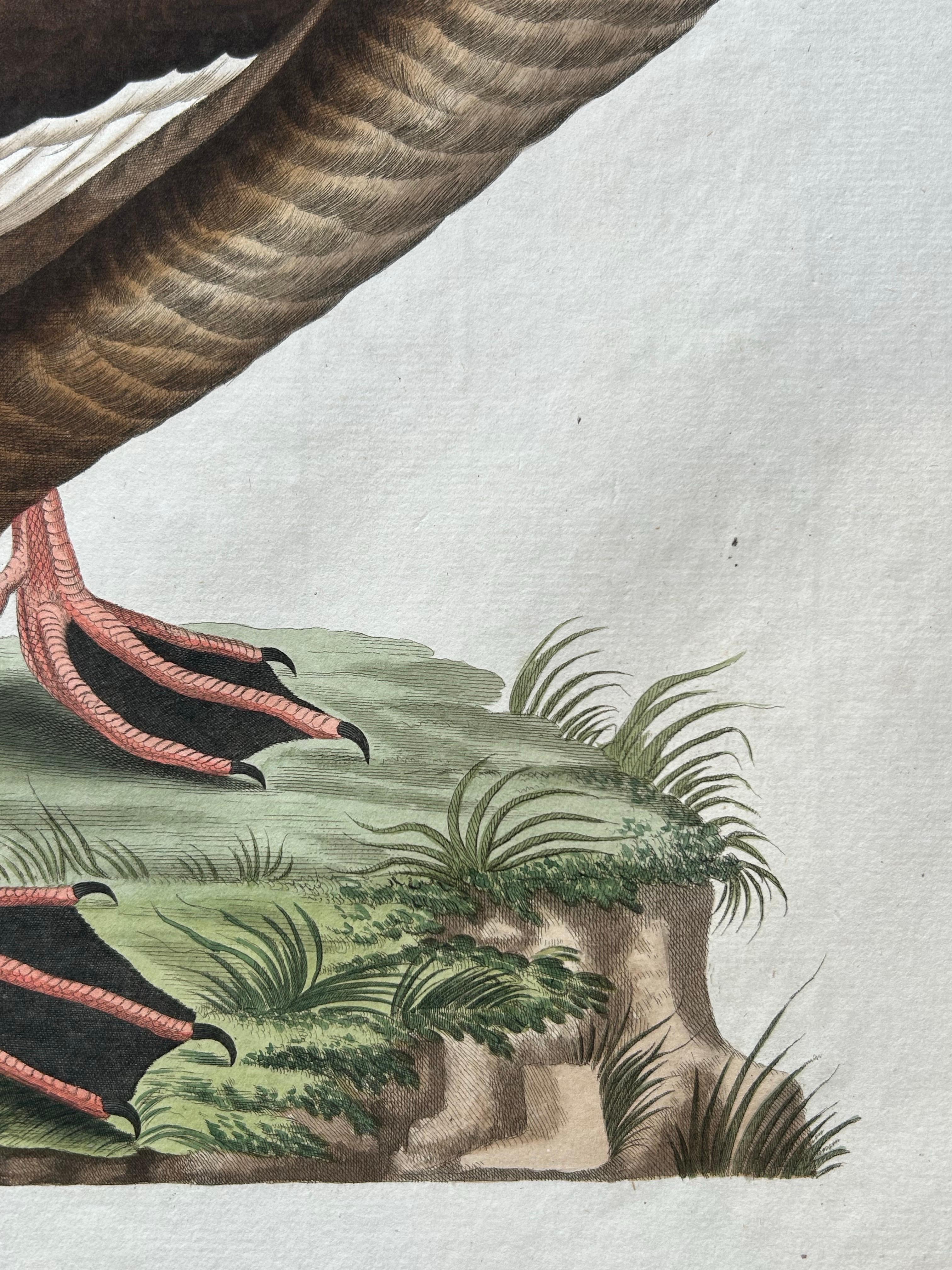
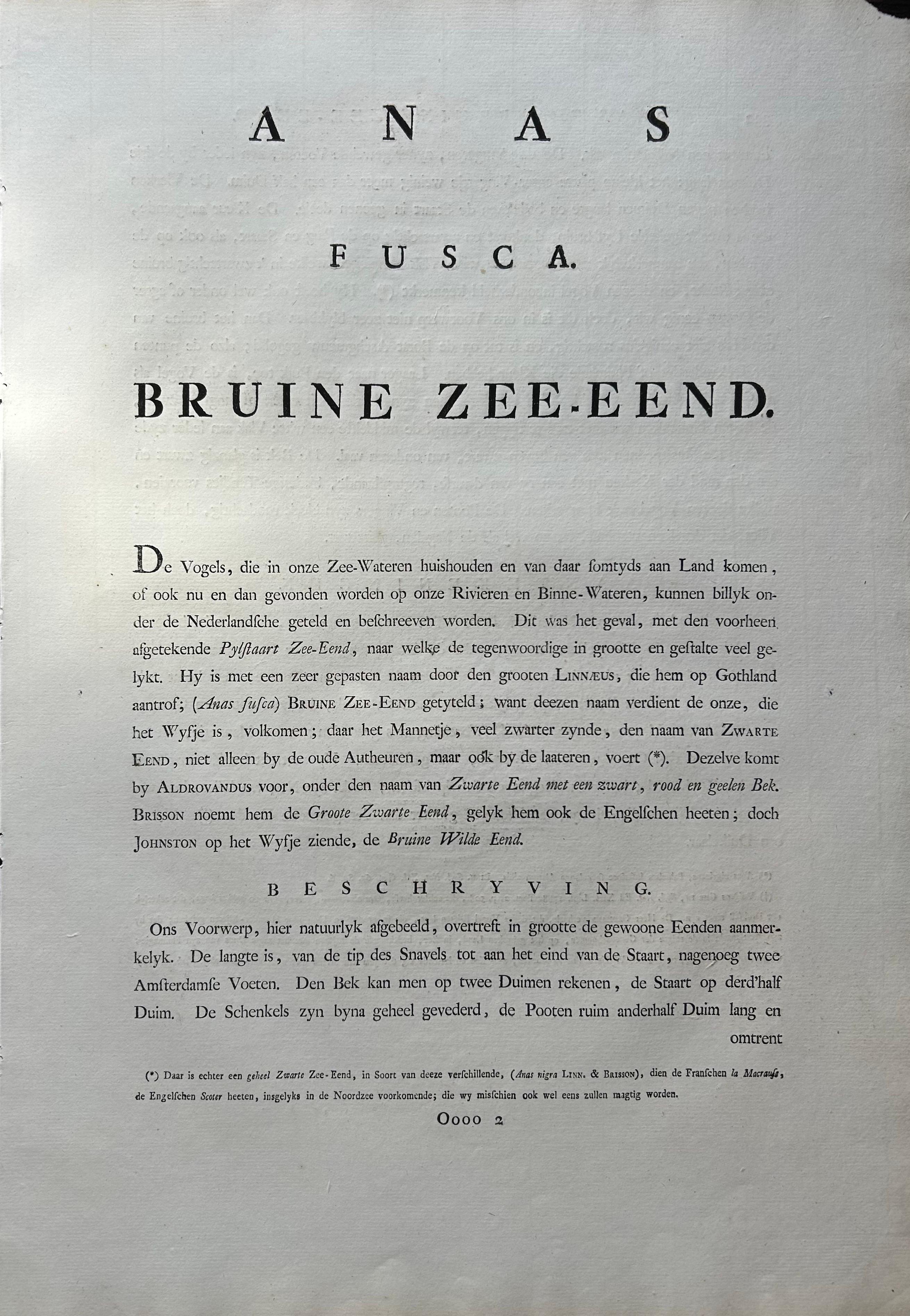
This fine hand-coloured engraving shows the Velvet Scoter, titled ‘Anas Fusca’, known in Dutch as the Bruine Zee-Eend. The Velvet Scoter (Melanitta fusca) is a large sea duck, breeding in the far north of Europe and Asia, particularly west of the Yenisey basin. It is characterized by its dark plumage, sturdy build, and distinctive bill, with males often showing lighter facial markings and females displaying a more uniform brown coloration. In this print, the bird is presented in profile on a grassy mound, emphasizing its strong legs, webbed feet, and the slightly upturned shape of its broad bill.
The name derives from Greek melas (black) and netta (duck), while fusca comes from the Latin for dusky brown. This reflects the bird’s dark chocolate-brown plumage, which, when seen on water, gives a velvety sheen—hence the common English name “Velvet Scoter.” Historically, this species was highly recognizable to coastal communities, particularly in the North and Baltic Seas, where it was observed diving for shellfish, mollusks, and small crustaceans.
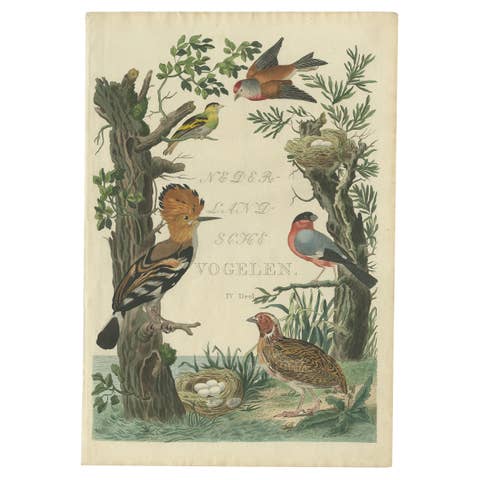
This engraving originates from Nederlandsche Vogelen (1770–1829), the first comprehensive study of Dutch ornithology. Conceived by Cornelis Nozeman and continued after his death by Martinus Houttuyn, it was illustrated and published by the celebrated Sepp family of natural history artists and engravers. The work is remarkable not only for its scientific detail but also for its artistry, with birds shown close to life-size and often in naturalistic surroundings. Each plate was hand-coloured with great precision, making every copy unique.
The Velvet Scoter itself is a significant species in ornithology as it demonstrates the wide migratory range of sea ducks. Breeding in the remote boreal zones, it migrates south in winter to coastal waters across Europe, including the Netherlands, where Nozeman and Sepp would have encountered it. Its presence in Nederlandsche Vogelen highlights the importance of Dutch waterways and coastal regions as wintering grounds for northern species.
Collectors will appreciate this engraving both for its rarity and for its connection to one of the most monumental ornithological projects of the 18th century. The print captures not only the physical likeness of the bird but also reflects the Enlightenment spirit of cataloguing and understanding the natural world.
Condition: Good. General age toning with light marginal imperfections, including faint foxing and wrinkles not affecting the image. Plate mark visible. Accompanied by the original descriptive text sheet.
Framing tips: A dark walnut or black wooden frame with a soft cream or light beige mount will enhance the rich brown tones of the bird while keeping the presentation elegant. For a bolder effect, a double mount with a darker inner line could emphasize the bird’s striking profile.